
Search

Discover more about some of the broad topics and areas of research that The Kids Research Institute Australia are involved in.
Our skin, the body’s largest organ, protects us and maintains overall health. Untreated recurring skin infections like impetigo and scabies severely impact children. The Kids is at the forefront of combatting skin infections, particularly within remote Aboriginal communities experiencing some of the world’s highest rates.
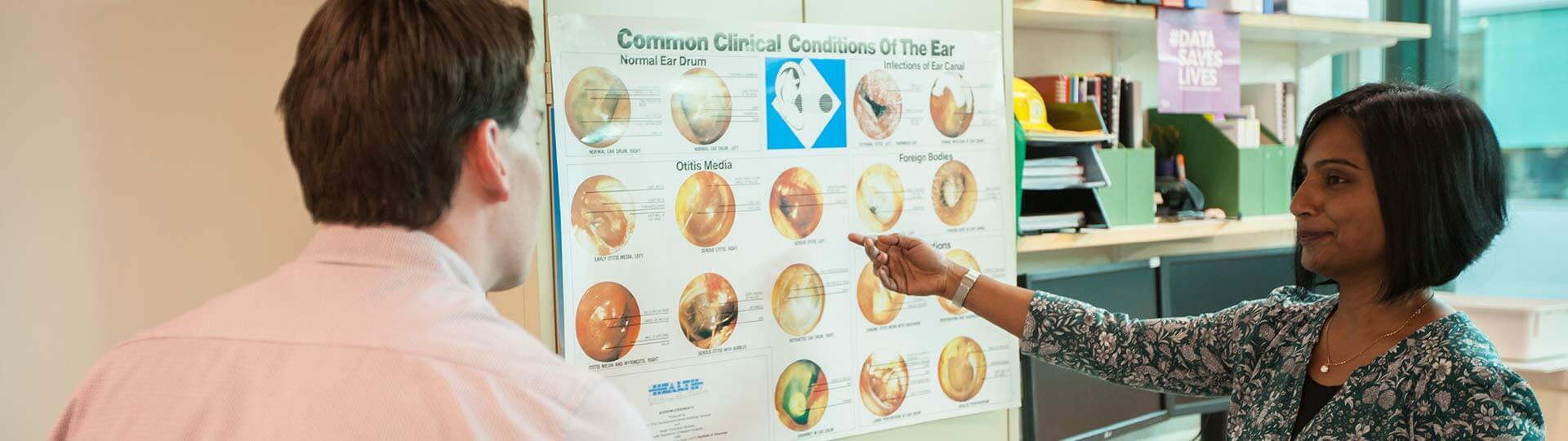
Middle ear infections are one of the main reasons that children visit a GP, are prescribed antibiotics and need surgery. Aboriginal children are particularly susceptible and commonly suffer from hearing loss which can affect speech and learning.
Asparaginase is a critical component of modern multi-agent chemotherapy regimens for paediatric acute lymphoblastic leukaemia and lymphoblastic lymphoma, with inadequate exposure leading to inferior patient outcomes.
Children are particularly vulnerable to air pollution, but the effects of early life exposure to acute, high-intensity pollution on later lung function remain poorly understood. We assessed the association between prenatal or infant exposure to fire-related fine particulate matter (PM2.5) from a six-week coal mine fire and subsequent lung function.
To identify factors influencing implementation and integration of the paediatric ESCALATION system in country Western Australia.
With persistent challenges in determining the 'right' therapy or support for autistic children, there is a growing need for clinicians to integrate the preferences and priorities of clients and their families in their clinical decision making.
Discover more about Telethon Kids Institute research.
Mouse models are widely used to study heat-related physiological responses as they provide insights relevant to human health. However, species differences (including nocturnal behavior) and standard housing below the thermoneutral zone (TNZ; 26°C-34°C) can confound comparisons. This systematic review evaluates methodologies, including housing temperatures, used in mouse heat-exposure studies published over the past 4 years.
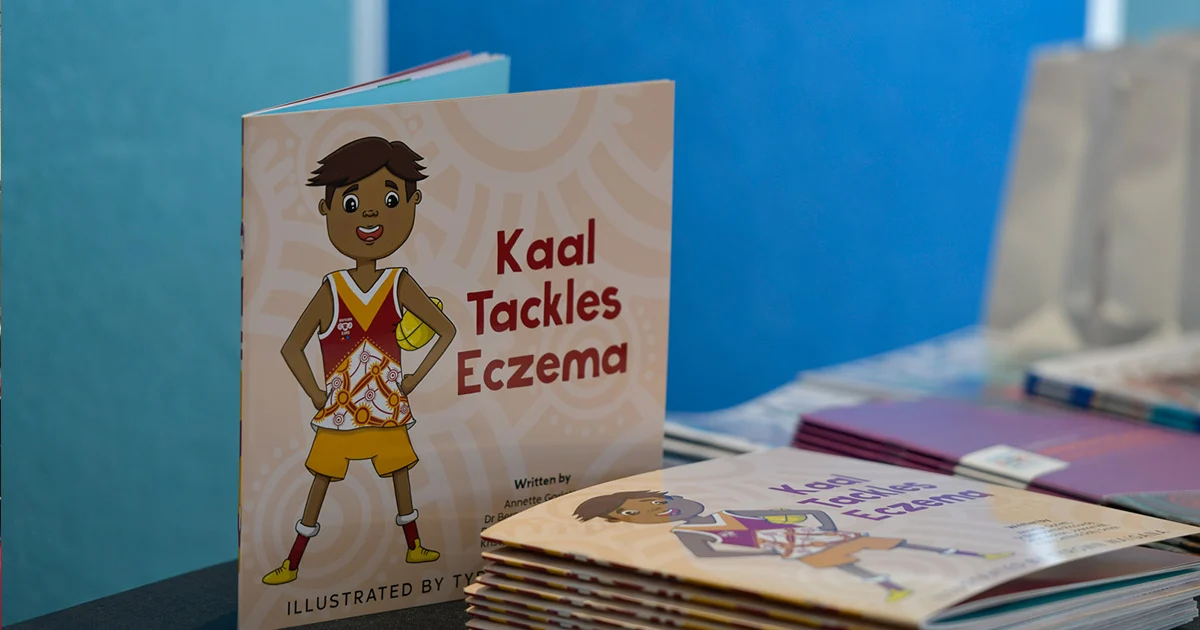
In close partnership with Aboriginal Elders and community members in Western Australia's south-west, we created ‘Kaal Tackles Eczema’, a children’s book to help Aboriginal families manage eczema. Our research showed a high prevalence and need for culturally relevant resources. The book uses Noongar language and art to educate and reduce infections, and is available online and in schools.