
Search
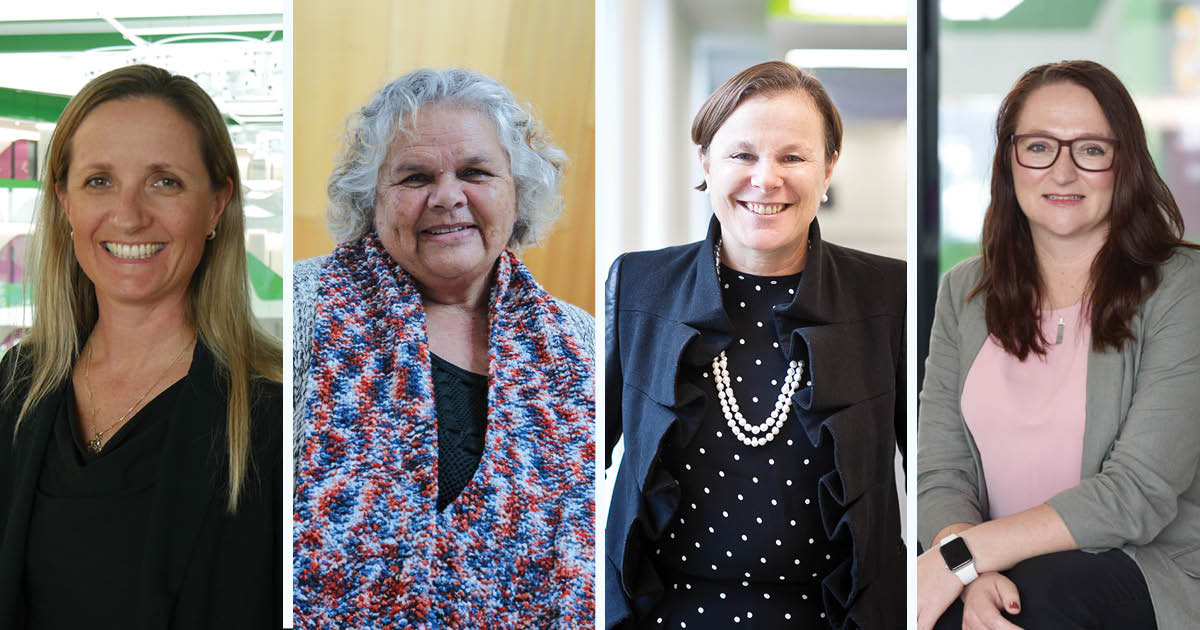
Four outstanding members of The Kids Research Institute Australia family – three researchers and an Aboriginal Elder co-researcher – have been named in the Australia Day Honours List for their outstanding service to research and the community.
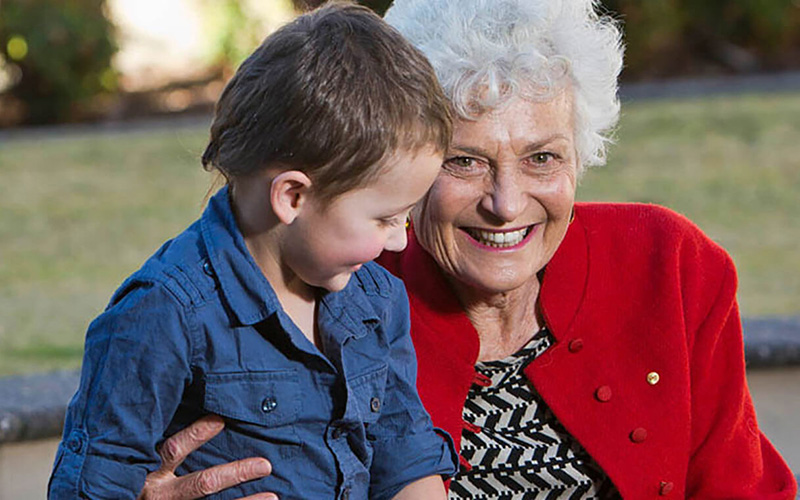
This opinion article was originally published in the West Australian on July 20, 2023.
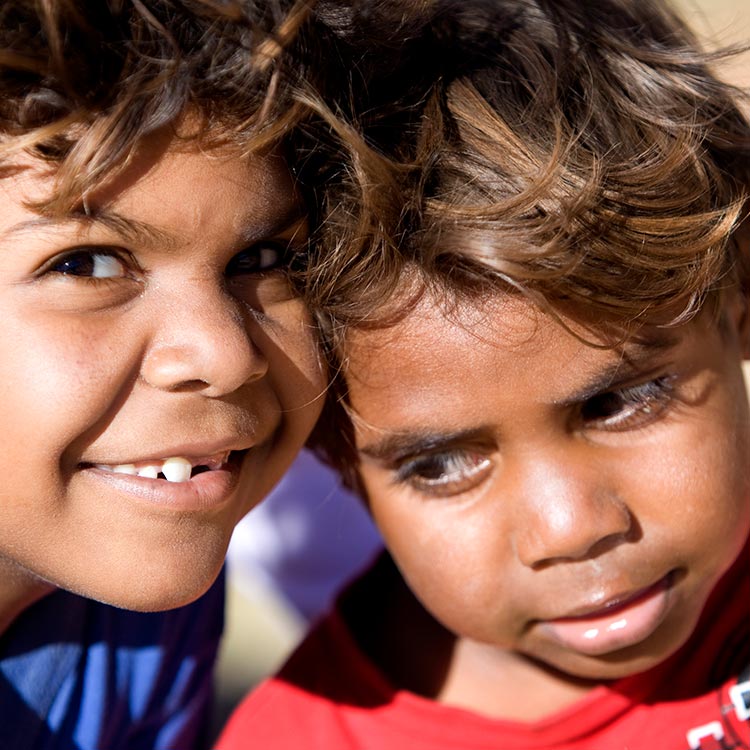
A multi-disciplinary team of researchers will use more than 40 years of data to pinpoint crucial areas that could be “turning points” in development where intervention could contribute to closing the gap in Aboriginal health in Australia.

A project, lead by Aboriginal and Aboriginal LGBTQA+ researchers examining the mental health of young Aboriginal and Torres Strait Islander LGBTQA+ people, is launching a nation-wide survey, to help drive meaningful change for the community.
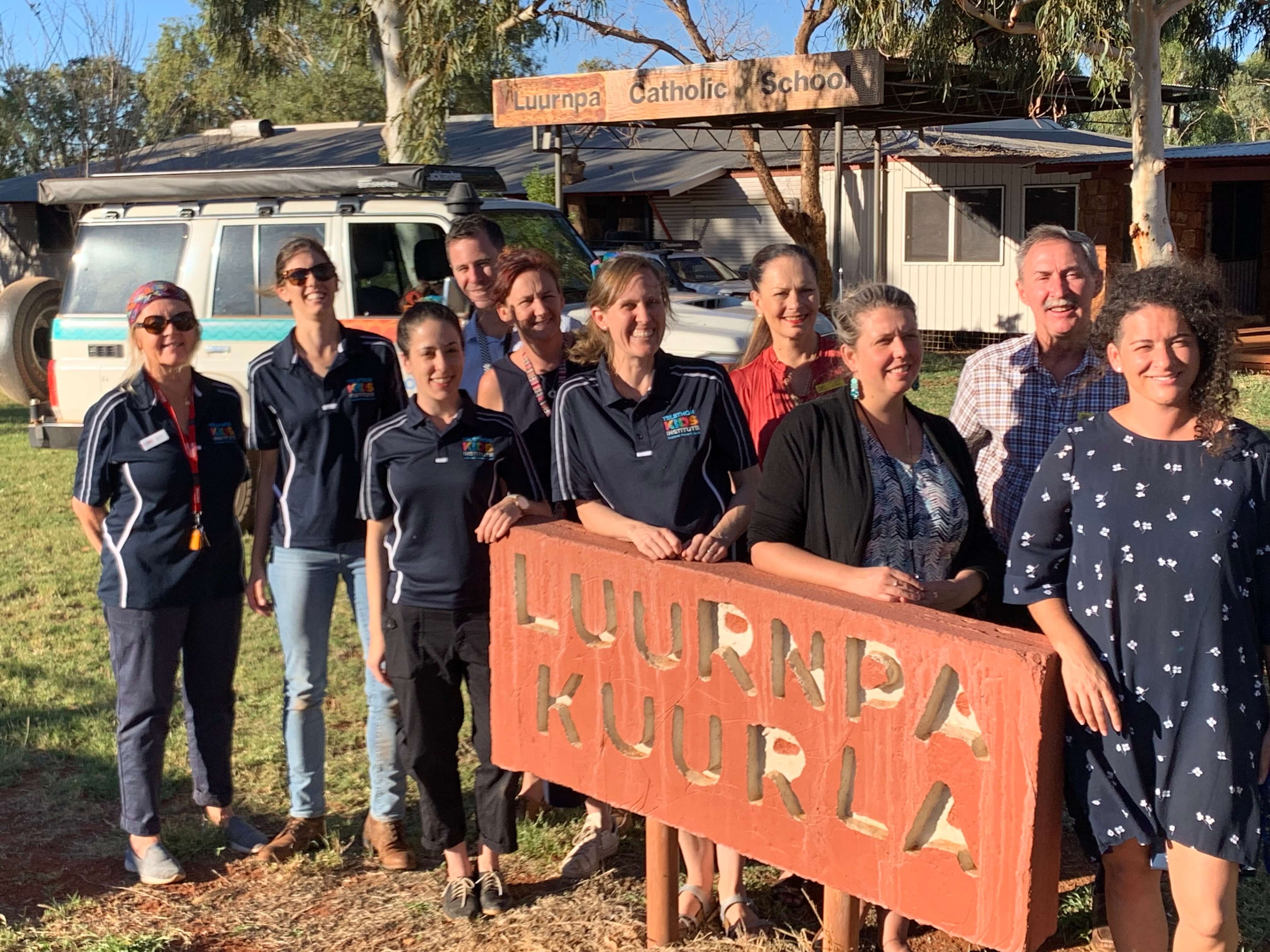
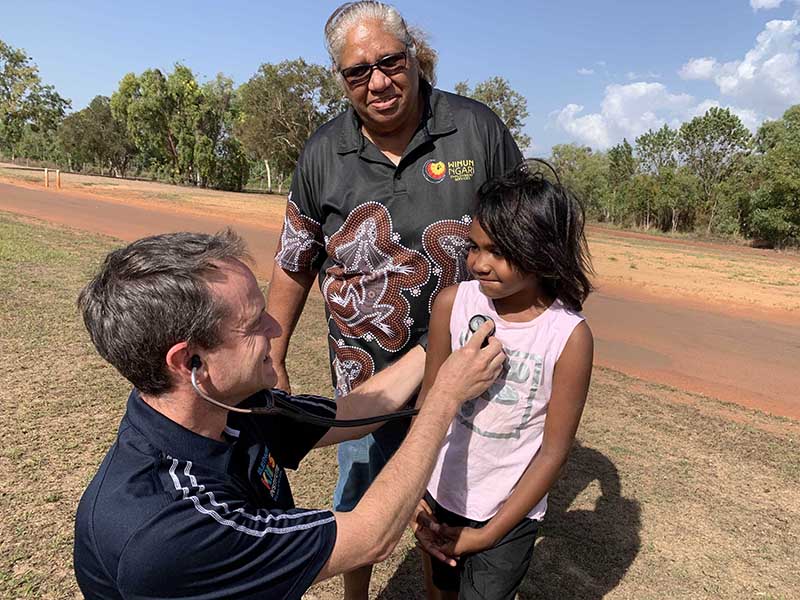
The The Kids Skin Health team has a busy six weeks ahead - visiting nine communities throughout the Kimberley region of WA as part of the first school surveillance activities for the SToP Trial.
The Kids Research Institute Australia and Perth Children’s Hospital clinician-researchers have found more than one in ten children across four remote Kimberley communities have protracted bacterial bronchitis.
Reducing the over-representation of Aboriginal children in the child protection system is a key target for the Australian government. We aimed to provide more recent evidence on the population-level cumulative incidence of contacts for Aboriginal children with child protective services in Western Australia.
Between 1964 and 1996, the 10-year survival of patients having valve replacement surgery for rheumatic heart disease (RHD) in the Northern Territory, Australia, was 68%. As medical care has evolved since then, this study aimed to determine whether there has been a corresponding improvement in survival.
The research protocol described aims to examine and establish the health outcomes of children and young people living in Out-of-Home Care (OOHC) in Perth, Western Australia from the perspective of the care recipients and service providers. A Study Advisory Panel will be established comprised of Aboriginal Elders (because of the over-representation of Aboriginal children in OOHC), health professionals and other relevant stakeholders to help co-design all phases of the study.
While there are many skin infections, reducing the burden of scabies and impetigo for remote living Aboriginal people, particularly children remains challenging. Aboriginal children living in remote communities have experienced the highest reported rate of impetigo in the world and are 15 times more likely to be admitted to hospital with a skin infection compared to non-Aboriginal children.