
Search
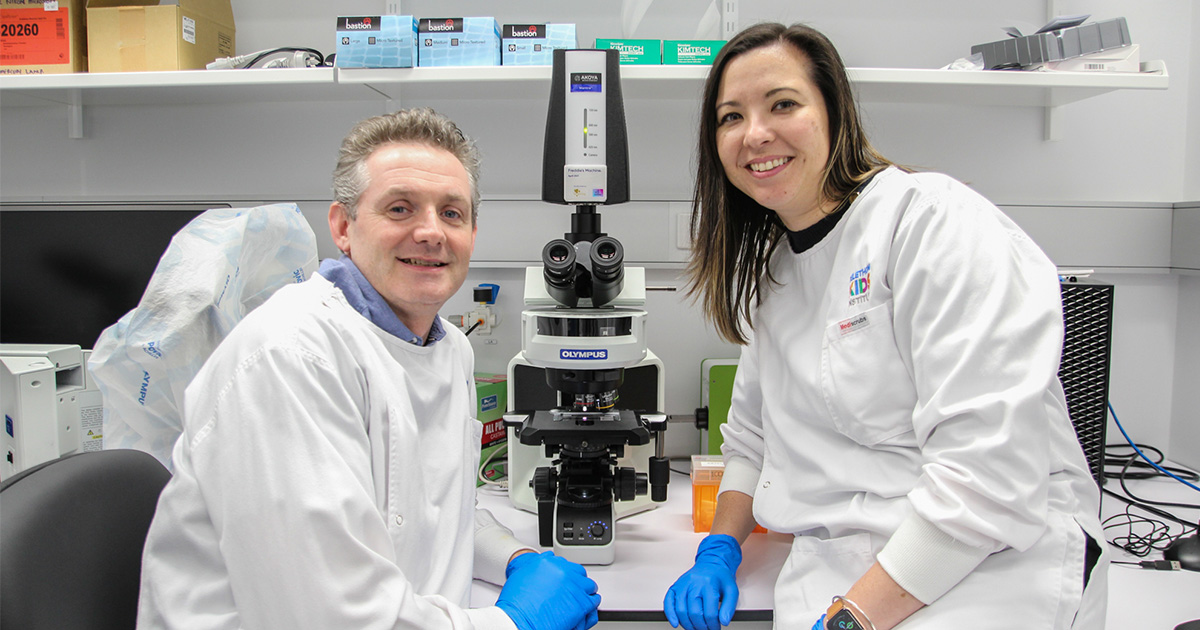
The WA Kids Cancer Centre has secured $1.1 million in funding from the Medical Research Future Fund’s (MRFF) Paediatric Brain Cancer Research Stream 2 to develop more effective and less toxic treatments for rare brain cancers in infants.
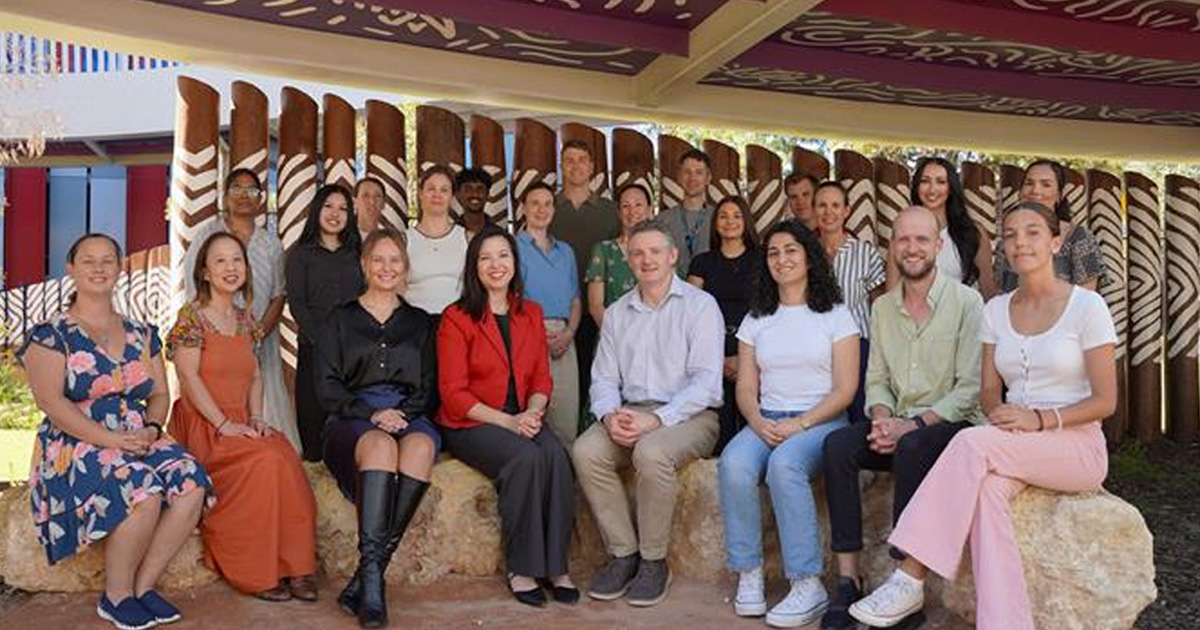
The Kids Research Institute Australia's Brain Tumour Research team will develop and implement cutting-edge technologies to revolutionise the speed of brain cancer diagnosis for WA children, thanks to more than $200,000 from Telethon.
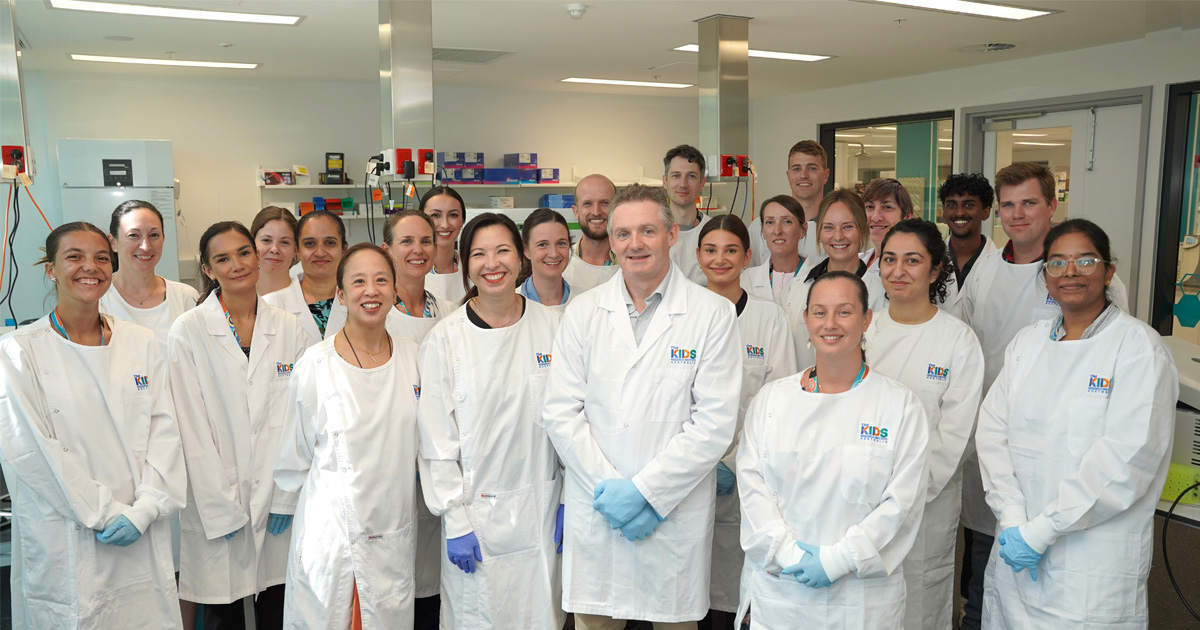
At The Kids Research Institute Australia, our Brain Tumour Research team is leading the charge to change the story for children diagnosed with brain cancer by working on safer, more effective treatments.

On Monday 1 September, childhood cancer researcher Jacob Byrne is lacing up his running shoes and taking the first steps of an extraordinary challenge: 30 marathons in 30 days across Perth.
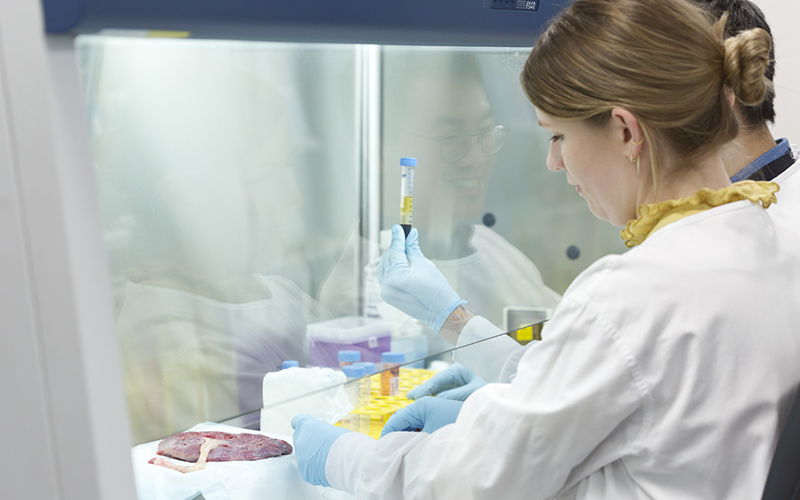
Four The Kids Research Institute Australia-based biobanks which underpin a range of cancer, respiratory and early life research have received more than $450,000 in funding.
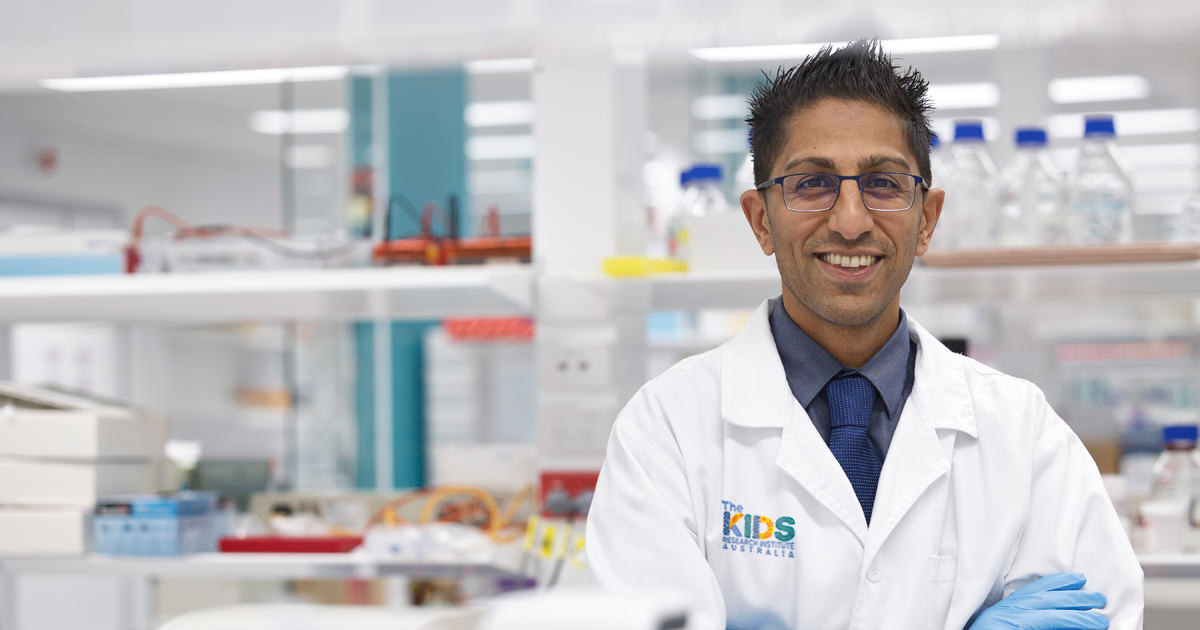
Associate Professor Rishi Kotecha, Co-Head of Leukaemia Translational Research at The Kids Research Institute Australia Cancer Centre and Consultant Paediatric Oncologist at Perth Children's Hospital, has been named Cancer Council WA’s 2024 Cancer Researcher of the Year.
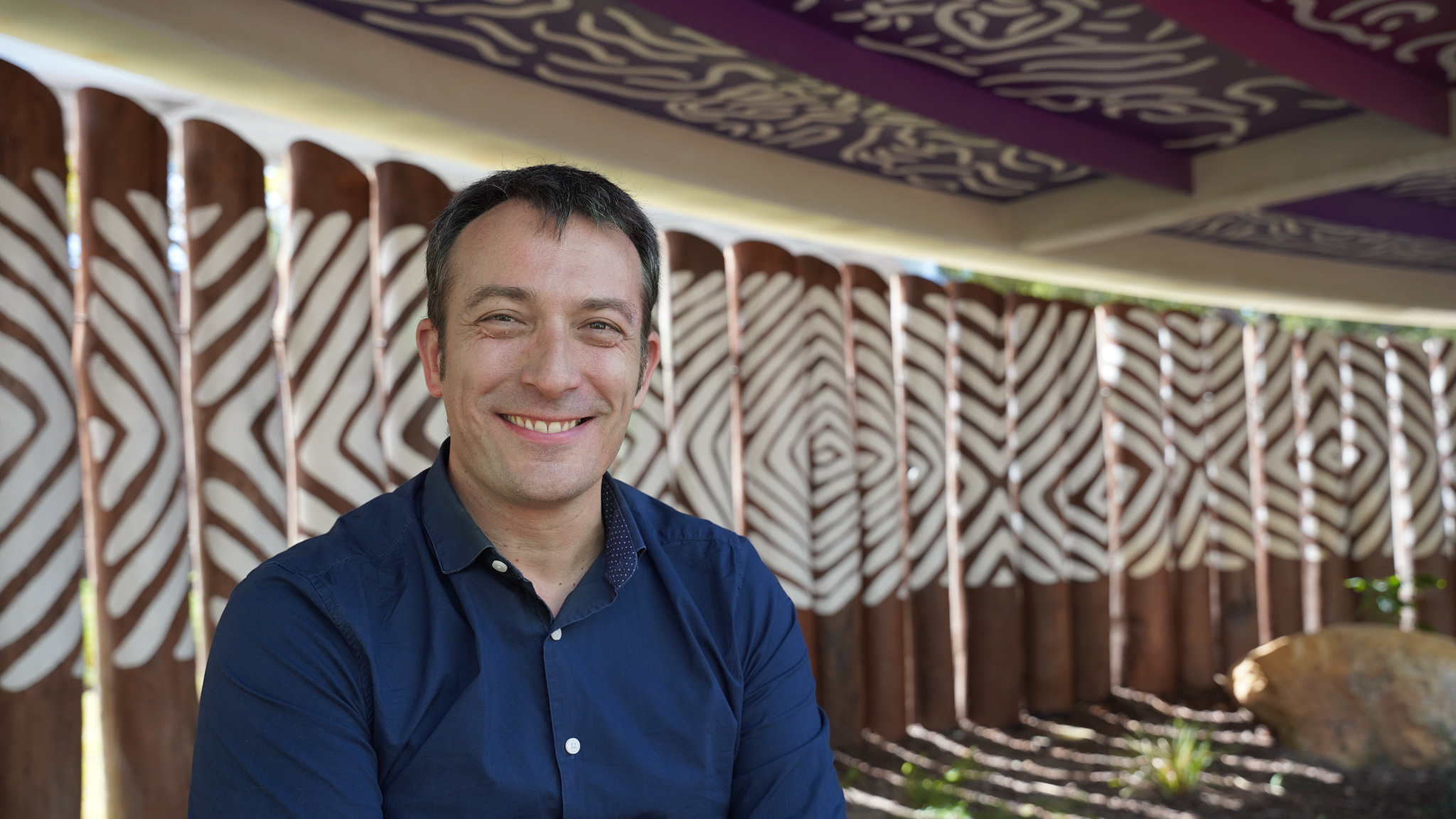
Dr Sébastien Malinge has received a Stan Perron Charitable Foundation Research Fellowship for his pioneering research, which is paving the way for safer, targeted therapies for children with hard-to-treat leukaemia
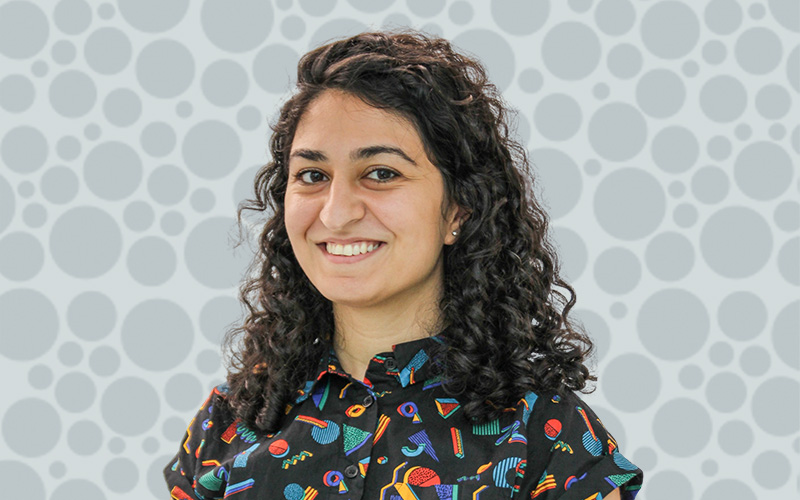
Cancer researchers have narrowed-down the field of immunotherapy drugs which could be used to tackle a form of childhood brain cancer.

Six scientists from The Kids Research Institute Australia have been named finalists across four categories in the 2026 Premier's Science Awards.
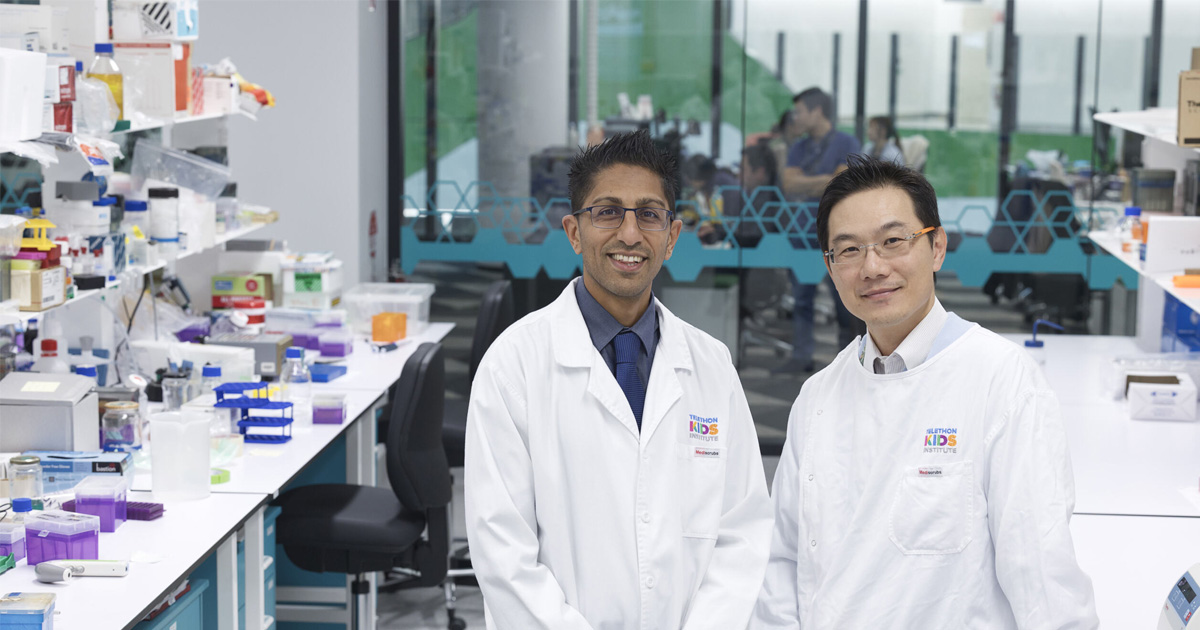
A groundbreaking study from cancer researchers at The Kids Research Institute Australia has identified a promising new therapeutic strategy for children battling the most common childhood cancer – B-cell acute lymphoblastic leukaemia.