
Search

Video technology is helping researchers learn more about the earliest features of autism, and in turn is helping families gain access to better interventions.
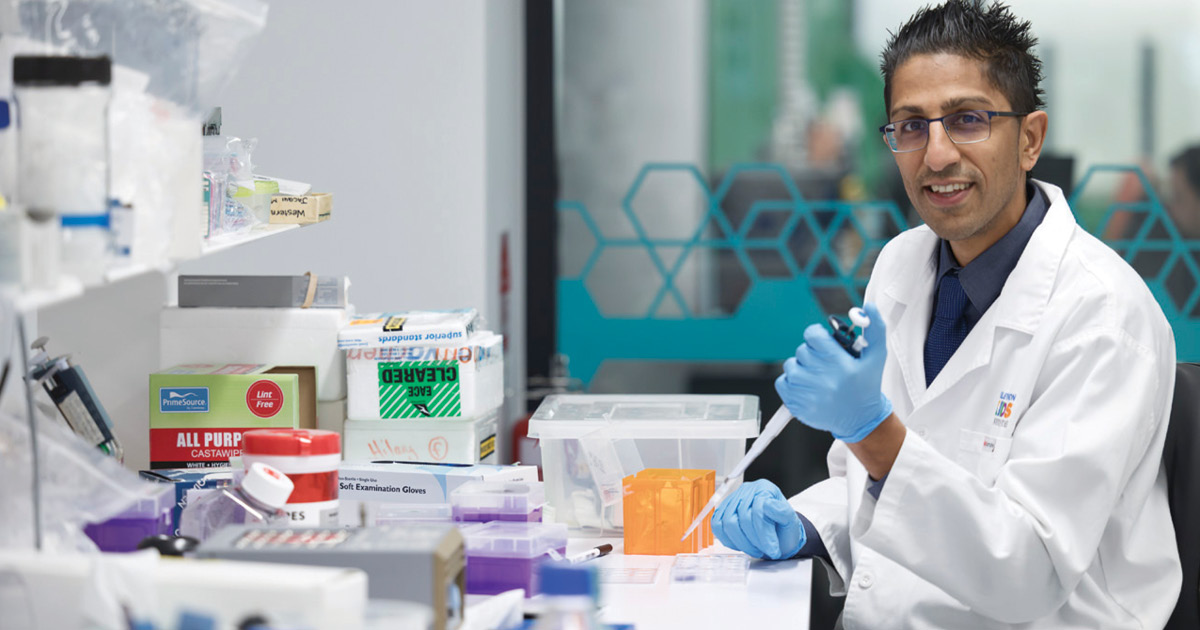
A pilot clinical study has found an immunotherapy drug can dramatically increase survival rates for babies with a rare form of leukaemia, paving the way for a major international clinical trial.

In a world where TikTok dances and Minecraft adventures take centre stage, kids are spending more time online than ever before.

At just six months old, Tahlea Dalgety was flown from Geraldton to Perth with a slim chance of survival after contracting meningococcal disease.
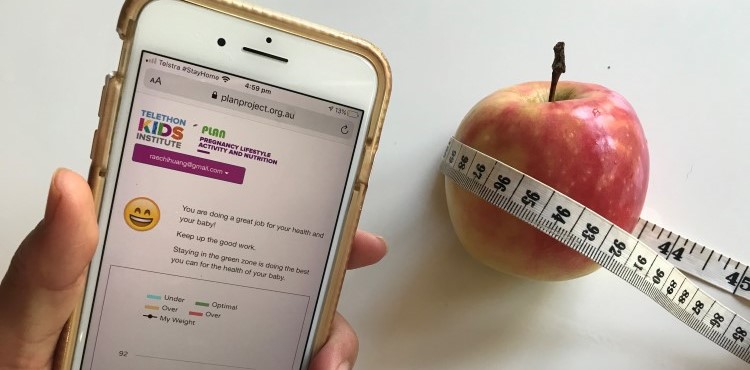
A diet and lifestyle mobile app targeting a critical window in early pregnancy is being introduced to women in the northern suburbs of Perth, hoping to assist with breaking the ‘transmission’ of obesity from one generation to the next.
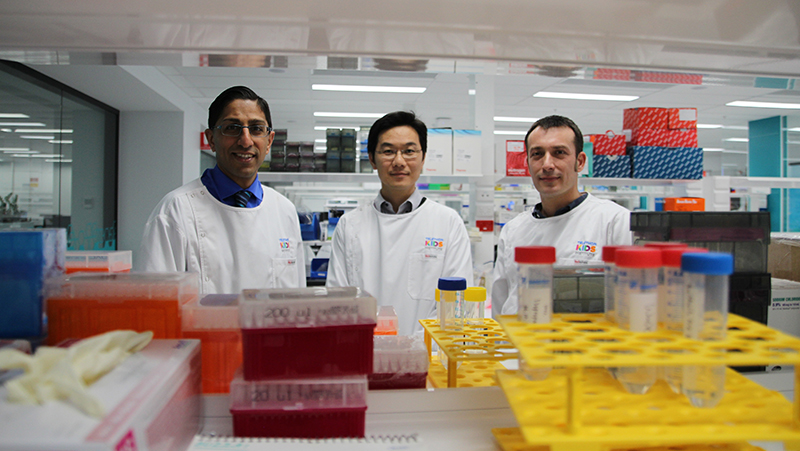
Kids born with Down syndrome are at high risk of an array of health problems – including issues with sight, hearing, heart defects, bone complications, immune disorders and learning difficulties.

Can young people experiencing homelessness be part of the solution in suicide prevention? That is the question youth mental health researchers at Embrace at The Kids Research Institute Australia will investigate.
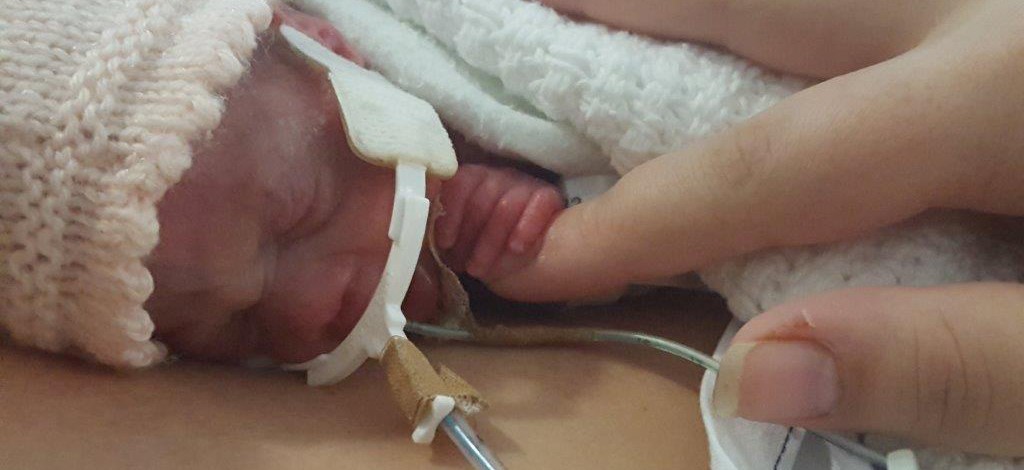
When KEMH specialists first suggested using coconut oil to treat the fragile skin of Kimberly Rohrlach’s extremely premature first-born child, Isabella, she thought it was more than a little weird.
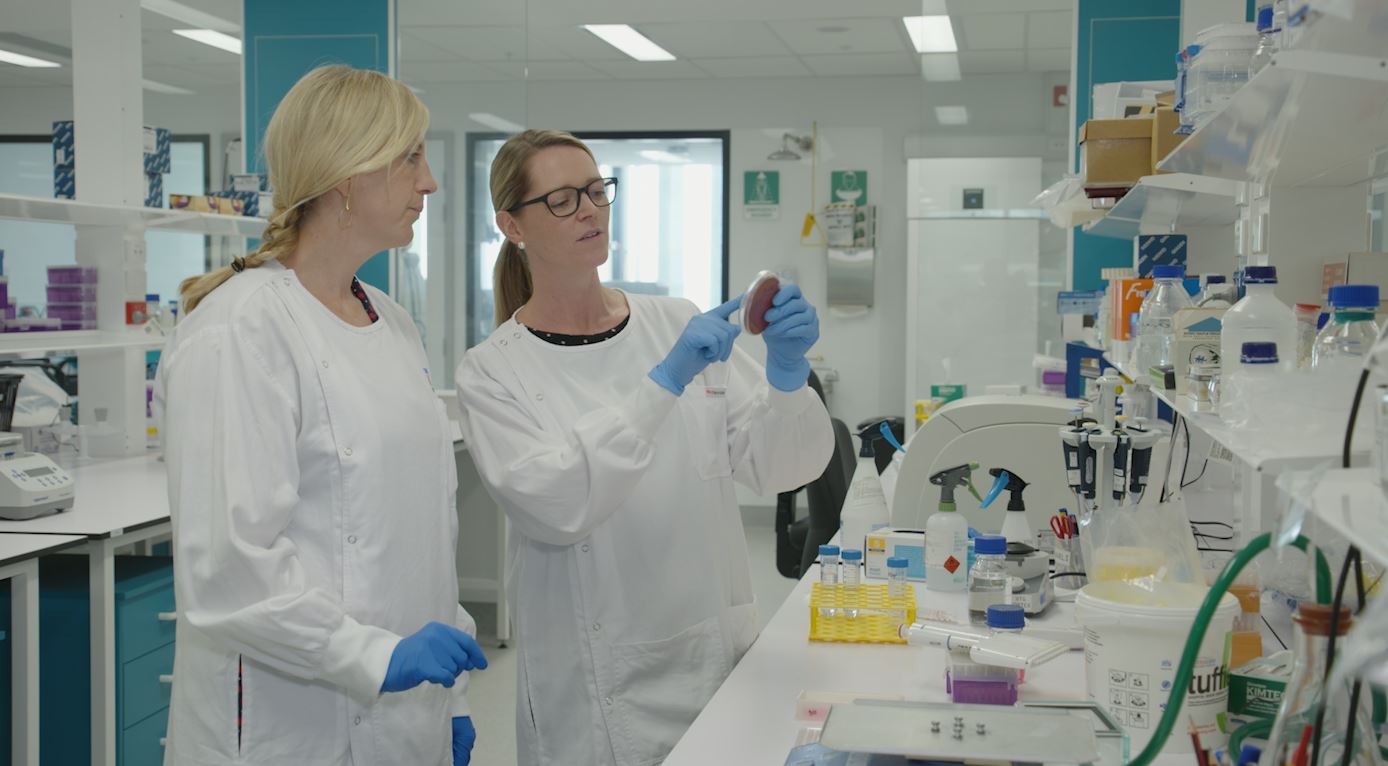
Wiping out childhood ear infections could become a reality thanks to new research identifying the main bacteria responsible for recurrent ear infections and repeat ear surgeries.
Despite potentially harmful consequences, people routinely encounter alcohol adverts designed to increase consumption of alcohol in preference to safer alternatives. However, individuals differ in the degree to which such adverts elicit preferential alcohol consumption. This study builds upon and extends prior research by testing hypotheses concerning the impact of biased processing during advert viewing on subsequent alcohol craving and consumption.