
Search
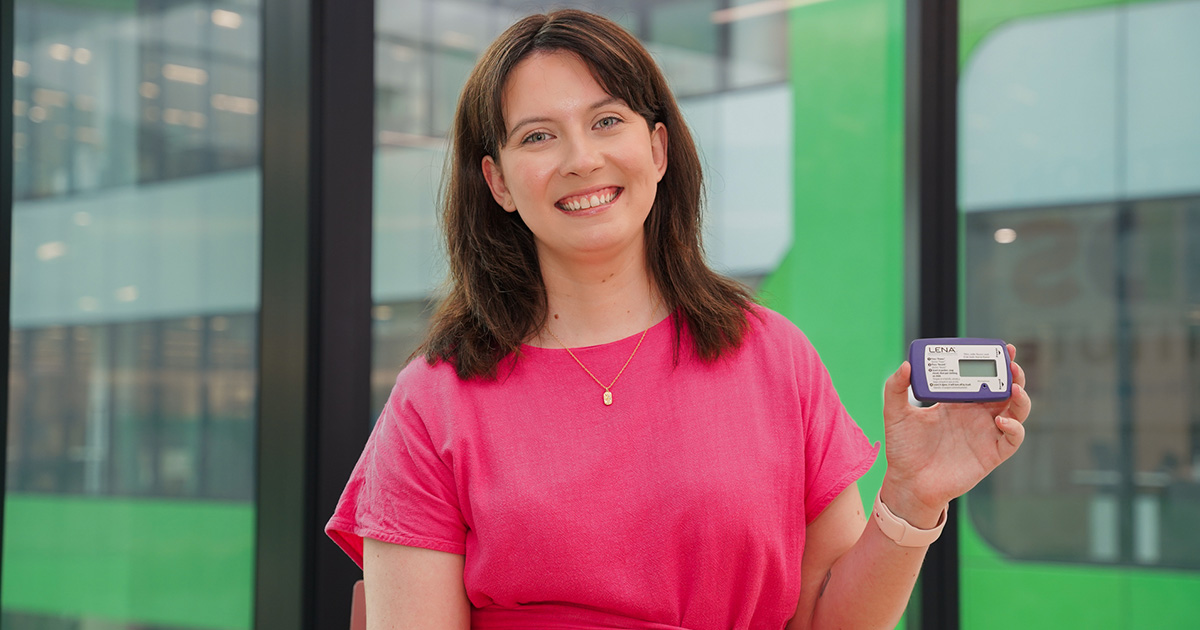
A The Kids Research Institute Australia researcher whose PhD studies highlighted the link between screen time exposure and toddlers’ language development has been named a finalist in South Australia’s Science Excellence and Innovation Awards.

The Kids Research Institute Australia has welcomed today’s announcement by the Cook Government and Minderoo Foundation of a $34.6 million boost for the Early Years Partnership to achieve better outcomes for children.
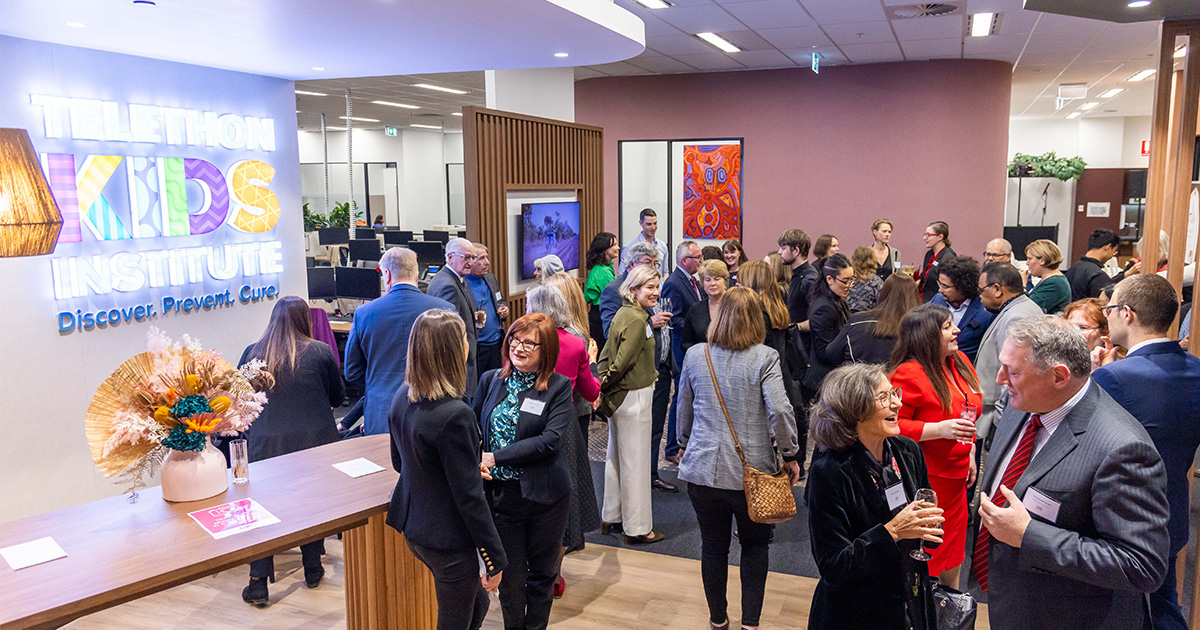
The Kids Research Institute Australia's Adelaide facility has been officially opened by South Australian Premier Peter Malinauskas.

Children across Australia aged 4-12 years are being asked to grab their crayons, pencils or pens and create their best drawing of themselves and their siblings in a simple study that will help researchers learn more about sibling relationships.

A The Kids Research Institute Australia researcher whose work focuses on the mental health of babies and young children has been chosen from a global field to become one of 20 new Zero to Three Fellows.

Discover the EYI Research Profile at The Kids' Institute, showcasing innovative child health research and its impact on young lives.
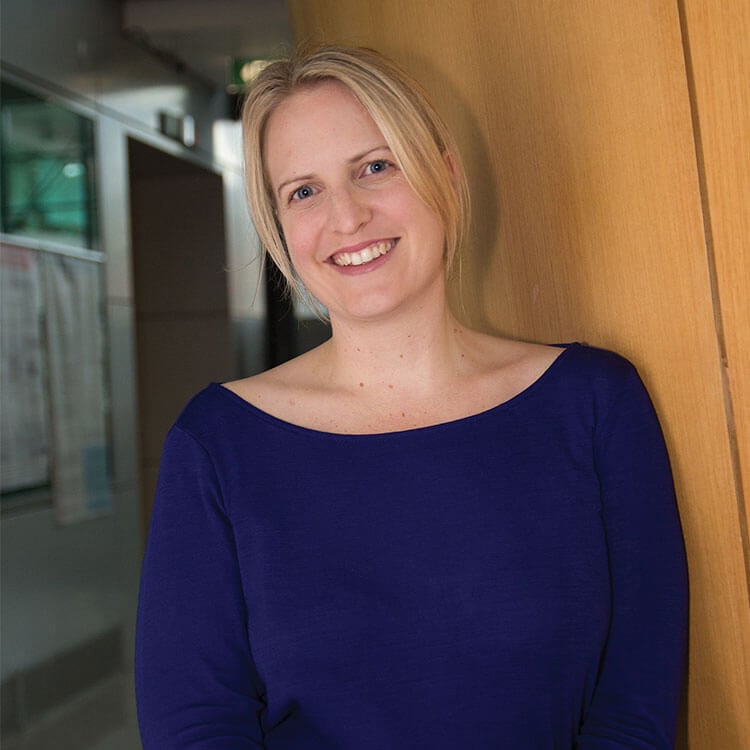
An InFocus Research Interview with Kirsten Hancock of the Human Capability Team at The Kids Research Institute Australia on multigenerational disadvantage in Australia.
Reducing the over-representation of Aboriginal children in the child protection system is a key target for the Australian government. We aimed to provide more recent evidence on the population-level cumulative incidence of contacts for Aboriginal children with child protective services in Western Australia.
Australia has a long history of population-based immunisation programs including legislations. This paper reports on a review of evaluations of the impact of the federal No Jab No Pay (NJNPay) and state implemented No Jab No Play (NJNPlay) legislations on childhood immunisation coverage and related parental attitudes.
Neonatal jaundice is a common clinical condition that can progress to severe hyperbilirubinemia if identification and intervention are delayed. In this study, we aimed to analyze the current evidence on the accurate performance of smartphone applications to quantify bilirubin levels.