
Search
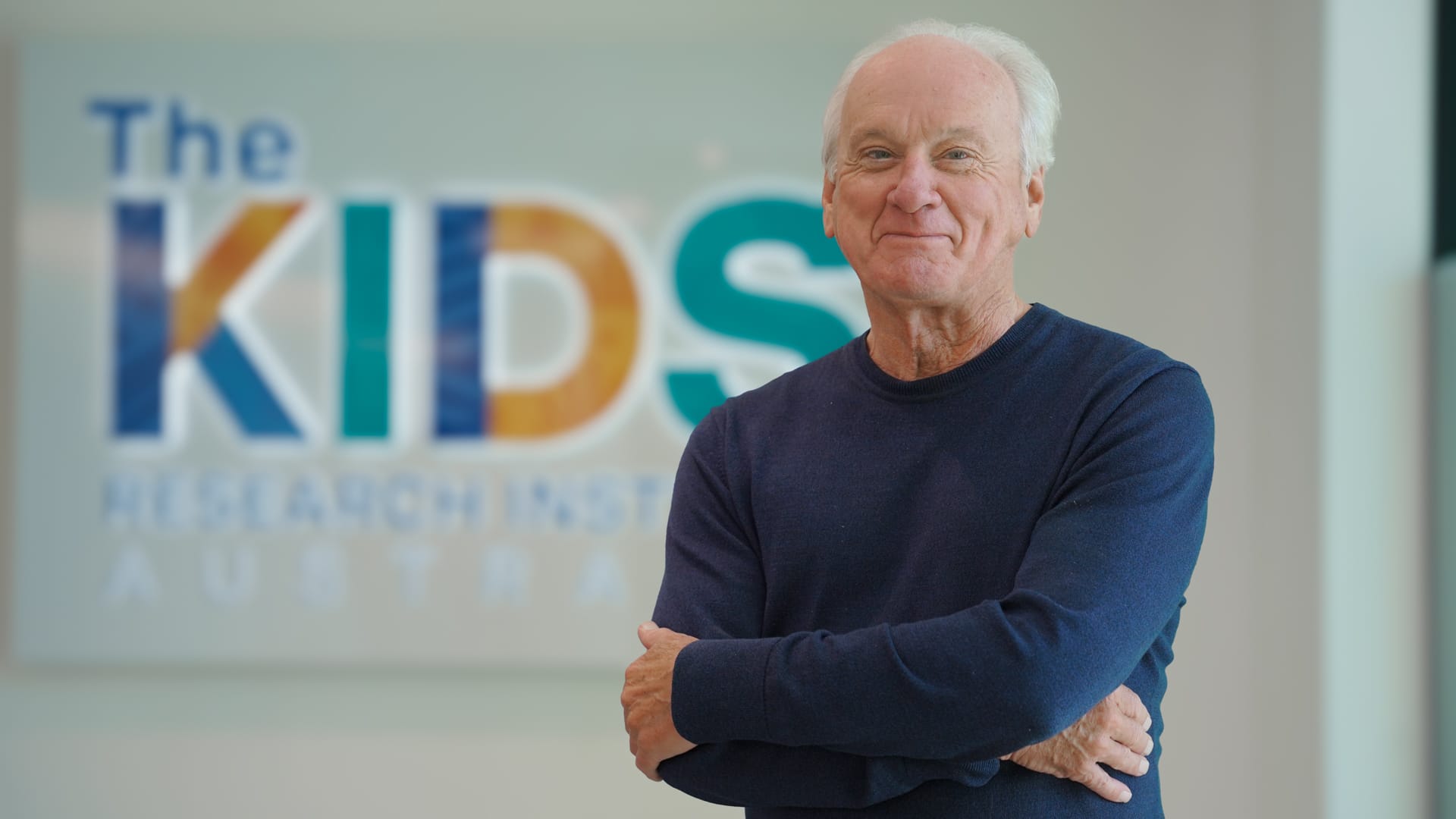
Congratulations to the Rio Tinto Children's Diabetes Centre Co-Director and Perth Children's Hospital Director of Research, Professor Timothy Jones, awarded a Member of the Order of Australia (AM) in the King's Birthday Honours List.
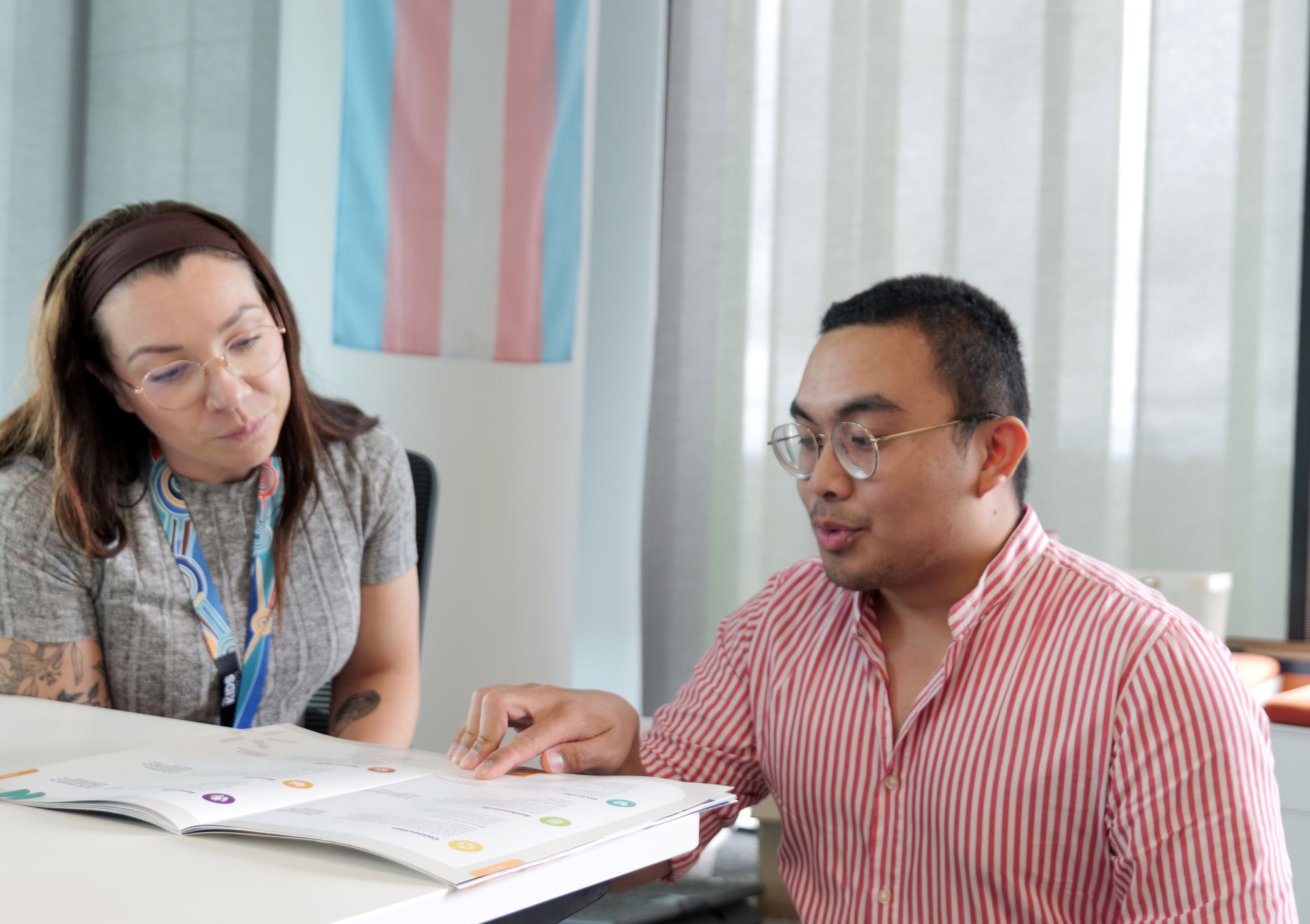
The Persist Study Community Workshop. Help us to understand how to engage other youth who live with T1D!
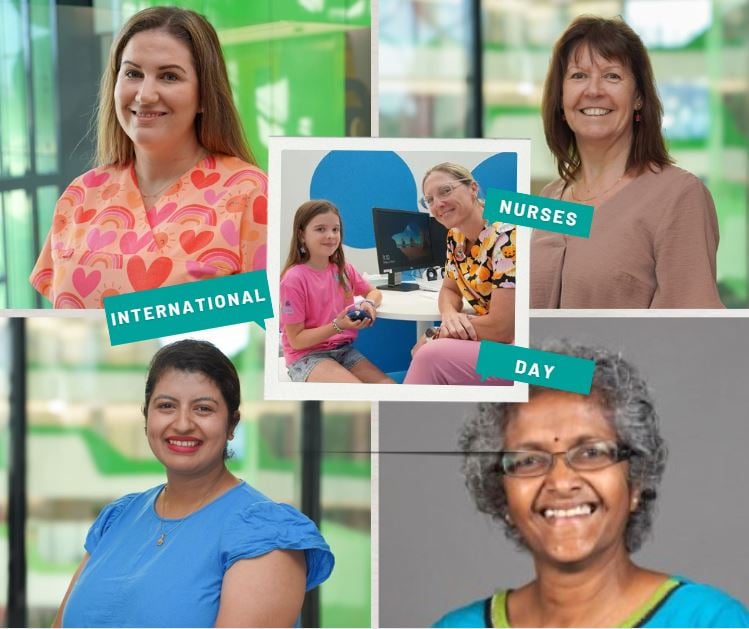
Today, May 12th, is International Nurses Day. To celebrate the wonderful nurses in our diabetes team, we asked Clinical Research Nurse Manager Alex Tully a few questions to find out what she does and why she does it.

PROs update
PhD Scholarship opportunities The Rio Tinto Children’s Diabetes Centre; A JDRF Global Centre of Excellence, (“the Centre”) based at The Kids Research

Dr Aniket Nadkarni
The Rio Tinto Children's Diabetes Centre; a Breakthrough T1D Centre of Excellence is excited the announce the latest round of seed funding recipients.

To celebrate International Day of Women and Girls in Science, we asked some of the research team to share why science is the key to success and their tips for encouraging girls who want to pursue a career in STEM.
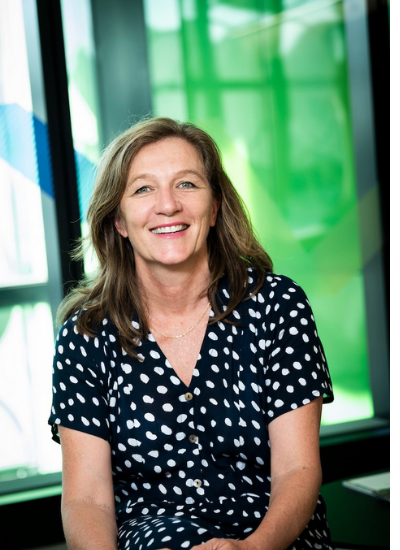
Congratulations to Professor Liz Davis and her team at the Rio Tinto Children's Diabetes Centre, who have received significant digital health grants through the Future Health Research and Innovation (FHRI) Fund.

Evaluating the biological activity of a single dose of encapsulated oral semaglutide in healthy adults over a period of one week.