
Search
To establish the burden of respiratory illness in cerebral palsy (CP) on the Western Australian health care system by quantifying the costs of respiratory hospitalizations in children with CP, compared with non-respiratory hospitalizations.
Early motor impairments have been reported in children with neurodevelopmental disorders (NDD), but it is not clear if early detection of motor impairments can identify children at risk for NDD or how early such impairments might be detected. Our aim was to characterize early motor function in children later diagnosed with NDD relative to typically developing children or normative data.
Aminoglycosides are commonly prescribed to children with febrile neutropenia (FN) but their impact on clinical outcomes is uncertain and extent of guideline compliance is unknown. We aimed to review aminoglycoside prescription and additional antibiotic prescribing, guideline compliance and outcomes for children with FN.
Western Australia experiences multiple climatic zones, influencing the epidemiology of respiratory viruses. We aimed to estimate the true incidence of respiratory syncytial virus and influenza hospitalizations across these different climatic regions using predictive modelling.
Between January 2022 and December 2023, there were 1,827 bloodstream infection (BSI) isolates in 1,745 children and adolescents reported to the Australian Group on Antimicrobial Resistance (AGAR) surveillance outcome programs, with 40% of episodes in children aged < 12 months.
Pneumonia is the leading cause of death in young children globally and is prevalent in the Papua New Guinea highlands. We investigated clinical predictors of hypoxic pneumonia to inform local treatment guidelines in this resource-limited setting.
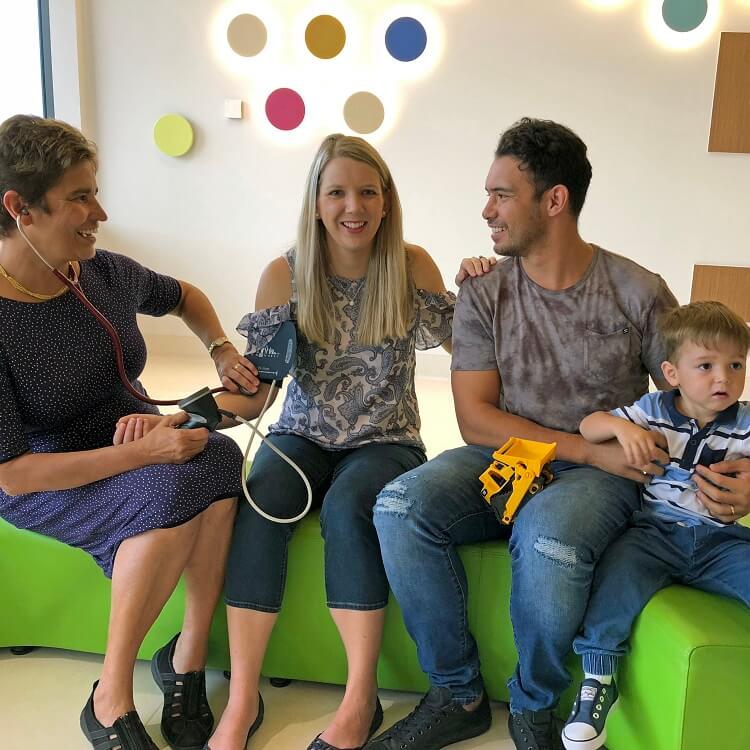
ORIGINS, a collaboration between The Kids and the Joondalup Health Campus, has achieved a major milestone – recruiting its 1000th family.
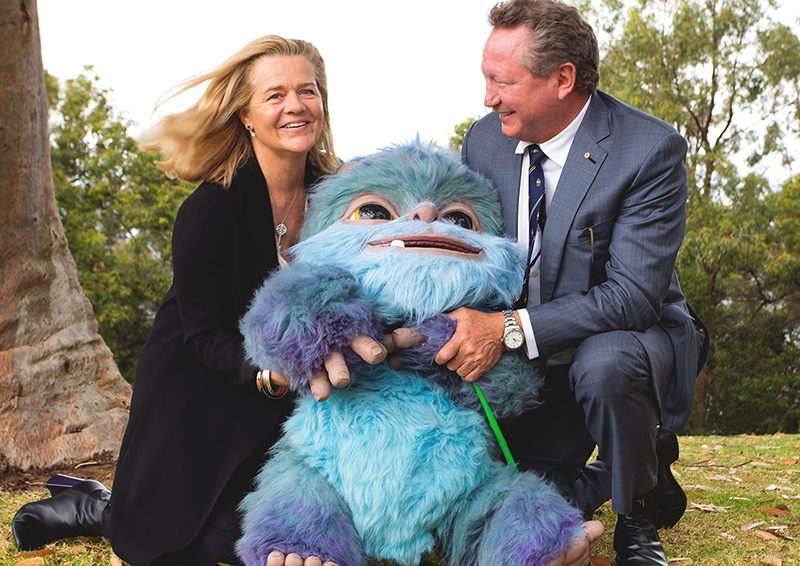
A national campaign launched on Channel 7’s Telethon aims to build community understanding of the amazing untapped potential of a baby’s developing brain, through a remarkable animated creature.
Investigators: Alanna Sincovich Project description: The Pacific Early Age Readiness and Learning (PEARL) Programme, implemented by the World Bank,
The Early Years Systems Evidence (EYSE) team specialises in working in partnership with governments and service providers, with a distinct focus on improving the life chances of children in Australia.