
Search
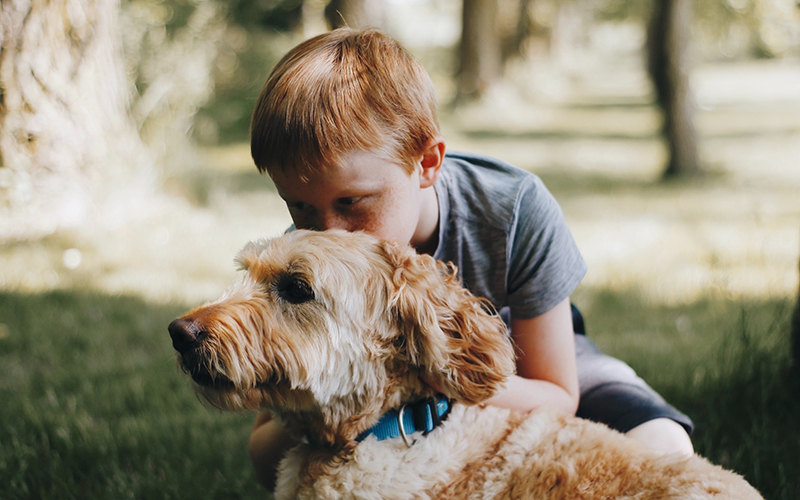
Study found children aged 2–5 years from dog-owning households had increased pro-social behaviours like sharing and cooperating, when compared to children without a dog.
A Network comprised of four regional sites to facilitate key medical, research and training activities undertaken in partnership with Aboriginal communities.
The WAACHS regional profiles look at all four volumes of results across the ATSIC regions of Western Australia.
CREAHW is a program of intervention research focused on achieving sustainable change for the Aboriginal community & improving the lives of Aboriginal people.
The aim of establishing a local presence is based upon an intention to be by invitation considered as part of the Kimberley group of organisations as well ...
This was a five year grant from the NHMRC to build research capacity in ten Aboriginal researchers
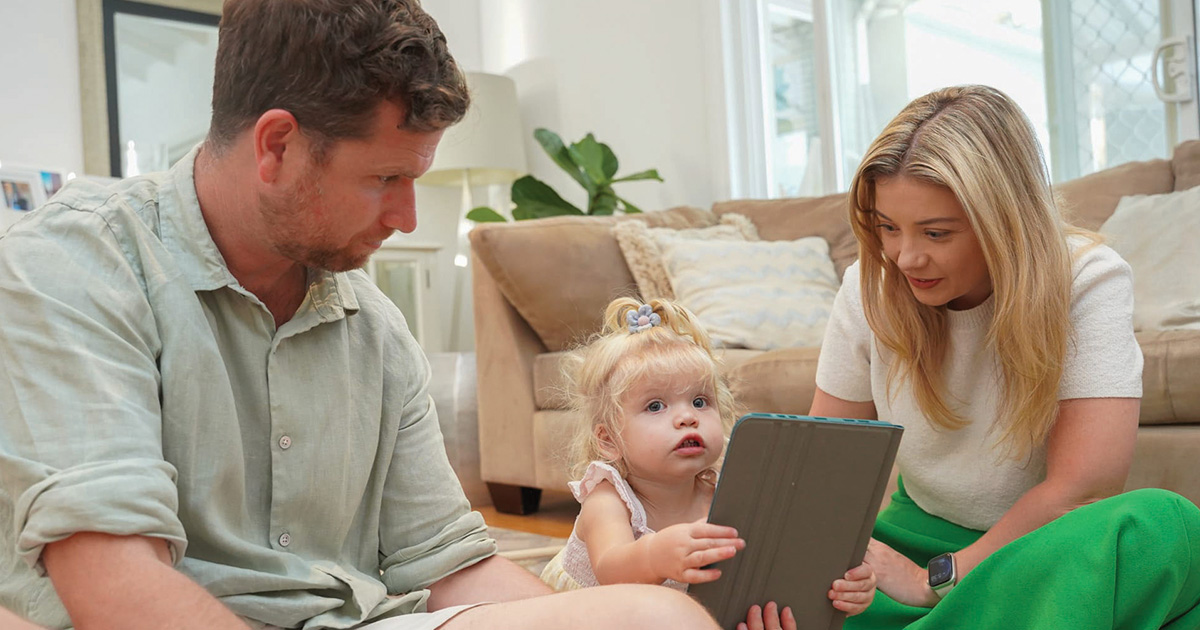
Toddlers exposed to screen time at home are hearing fewer words and making fewer vocalisations, findings from the first longitudinal study to measure the relationship between family screen use and children’s language development have shown.
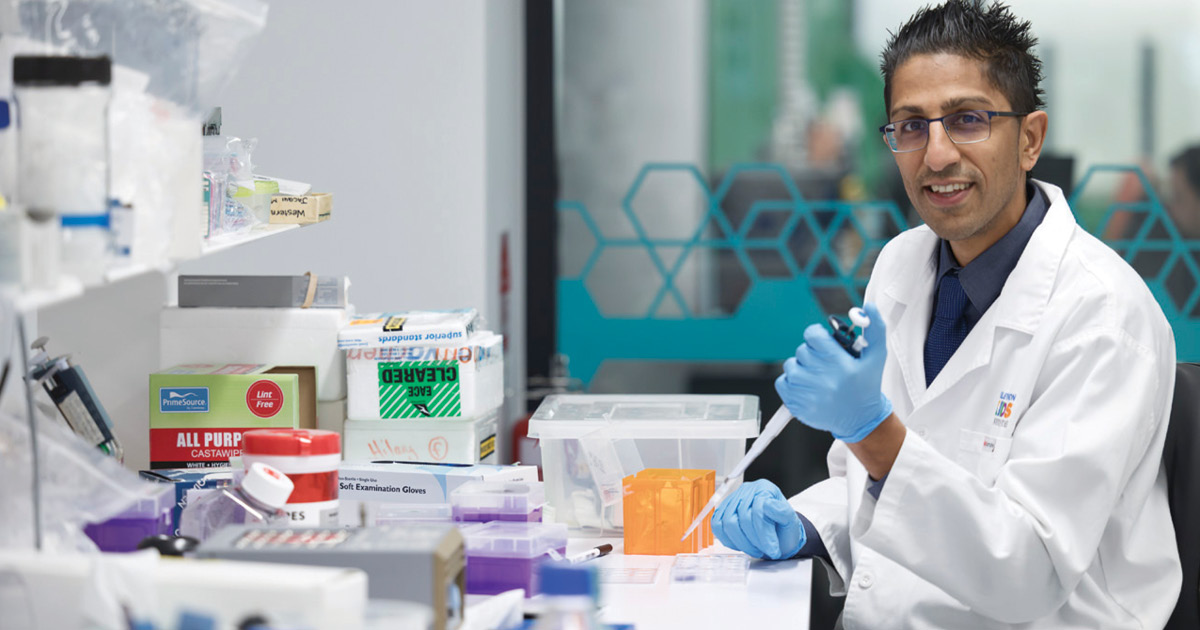
A pilot clinical study has found an immunotherapy drug can dramatically increase survival rates for babies with a rare form of leukaemia, paving the way for a major international clinical trial.
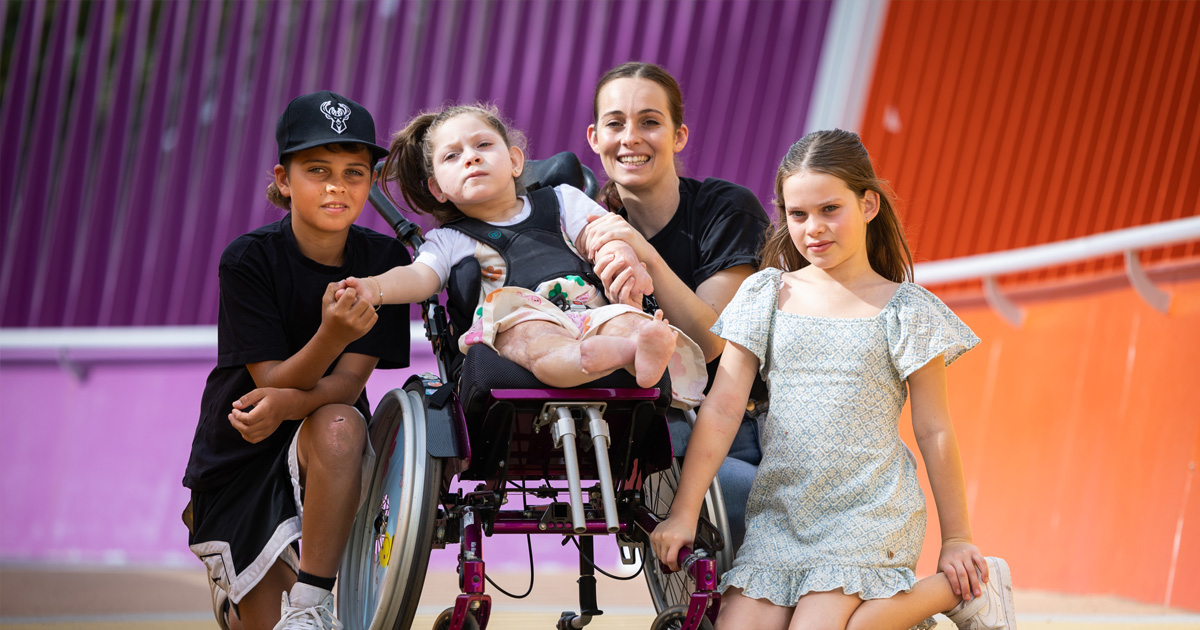
At just six months old, Tahlea Dalgety was flown from Geraldton to Perth with a slim chance of survival after contracting meningococcal disease.
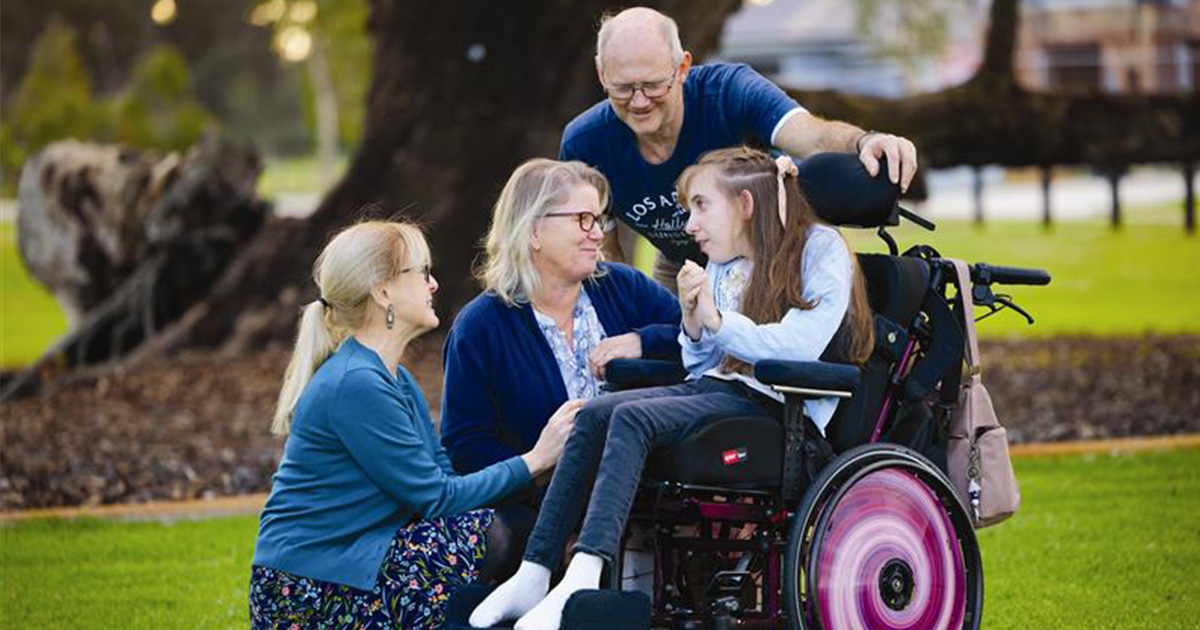
Affecting approximately 400 people in Australia, Rett syndrome is a rare neurological disorder that occurs almost exclusively in girls and affects mobility and development, impacting everything from walking and talking to eating and breathing.