
Skip to content

Search

Twenty-One Years and Still Going Strong: A Qualitative Study Exploring the Contribution of Young Adult, Adolescent, and Stakeholder Involvement to the Resilience

Adolescence is a period of rapid transformation when meeting targets for optimal diabetes care is often challenging due to competing life demands. For more than two decades a diabetes transition clinic in Sydney, Australia, has sustained positive outcomes and demonstrated aspects of resilience in the care of individuals living with type 1 diabetes (T1D) who have transitioned from paediatric to adult care. Many studies have focused on resilience in acute care setting showever, studies that examine the factors that support resilience in settings that care for individuals with long-term, chronic conditions such as T1D are lacking.

A randomised trial of a trauma-informed well-being program to promote mental health in adolescents with type 1 diabetes: Study protocol

Children and young people with type 1 diabetes (T1D) experience high rates of mental ill health and stress due to the emotional and cognitive energy required to manage their condition. Our team has codesigned Wellbeing T1D, a brief trauma-informed online intervention for adolescents living with T1D. This 5-week intervention will teach skills to promote problem solving, improve emotional regulation and promote helpful thinking and coping.

Medication Use in Type 1 Diabetes and the Association with Socioeconomic Disadvantage: Analysis of a National Linked Dataset

To explore trends in the receipt of commonly prescribed medications (beyond insulin) in people with type 1 diabetes in Australia, including polypharmacy, and to investigate socioeconomic disparities across these trends.

A microRNA-based dynamic risk score for type 1 diabetes

Identifying individuals at high risk of type 1 diabetes (T1D) is crucial as disease-delaying medications are available. Here we report a microRNA (miRNA)-based dynamic (responsive to the environment) risk score developed using multicenter, multiethnic and multicountry ('multicontext') cohorts for T1D risk stratification. Discovery (wet and dry lab) analysis identified 50 miRNAs associated with functional β cell loss, which is a hallmark of T1D. 

The effect of oral insulin on subcutaneous insulin requirements and glycaemia in T1DM

Liz Tim Davis Jones MBBS FRACP PhD MBBS DCH FRACP MD Co-director of Children’s Diabetes Centre Co-head, Diabetes and Obesity Research Co-director of
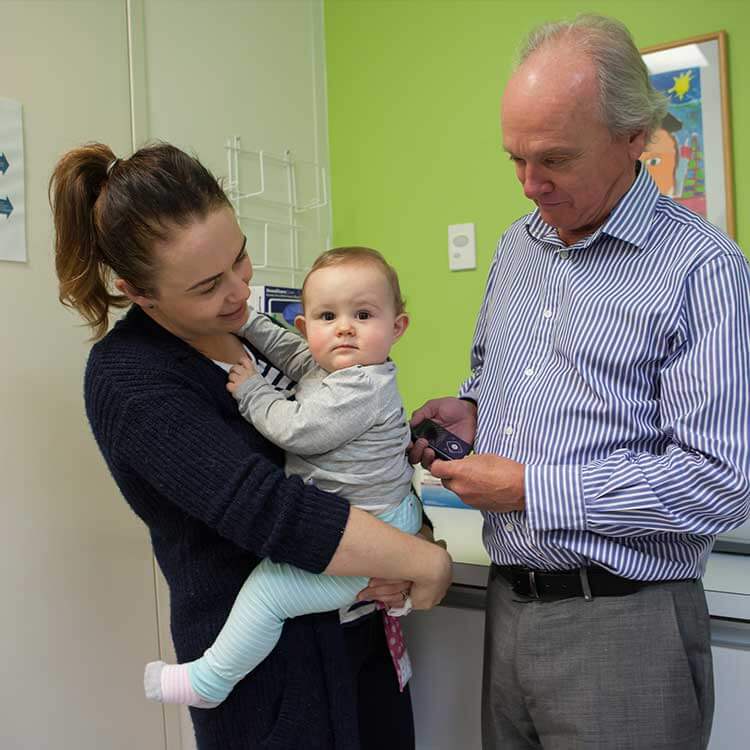
Using continuous glucose monitoring to detect early dysglycaemia in children participating in the ENDIA study (Sub Protocol)

Aveni Liz Haynes Davis BA (Hons), MBBChir, MA (Cantab), PhD MBBS FRACP PhD Principal Research Fellow Co-director of Children’s Diabetes Centre

School experience studies

Besides the challenges associated with their teenage years, adolescents with Type 1 Diabetes (T1D) encounter additional challenges of having a chronic condition.

Lifting the wellbeing of adolescents and young adults with type 1 diabetes: A feasibility study of the LIFT app

Adolescents and young adults with type 1 diabetes have an increased risk of psychological distress. To address this, psychological support provided asynchronously via an app may be feasible. Our study aimed to explore feasibility and safety of the LIFT wellbeing app.

Acceptance and Commitment Therapy (ACT) intervention in adolescents with type 1 diabetes: A pilot and feasibility study

A considerable proportion of patients with type 1 diabetes (T1D) experience emotional problems due to the continual demands of the disease, which may persist throughout life without appropriate support. The aim of this study was to assess the feasibility and acceptability of an Acceptance and Commitment Therapy (ACT) intervention and provide early indications of its capacity to impact psychosocial outcomes for adolescents with T1D.