Search
News & Events
Six-minute Strep A tests dramatically cut wait time in remote settingsChildren at risk of potentially life-threatening Strep A infections no longer have to wait five days for timely treatment, thanks to a The Kids Research Institute Australia study conducted in the remote Kimberley region of Western Australia.
Research
Skin InfectionsOur skin, the body’s largest organ, protects us and maintains overall health. Untreated recurring skin infections like impetigo and scabies severely impact children. The Kids is at the forefront of combatting skin infections, particularly within remote Aboriginal communities experiencing some of the world’s highest rates.
News & Events
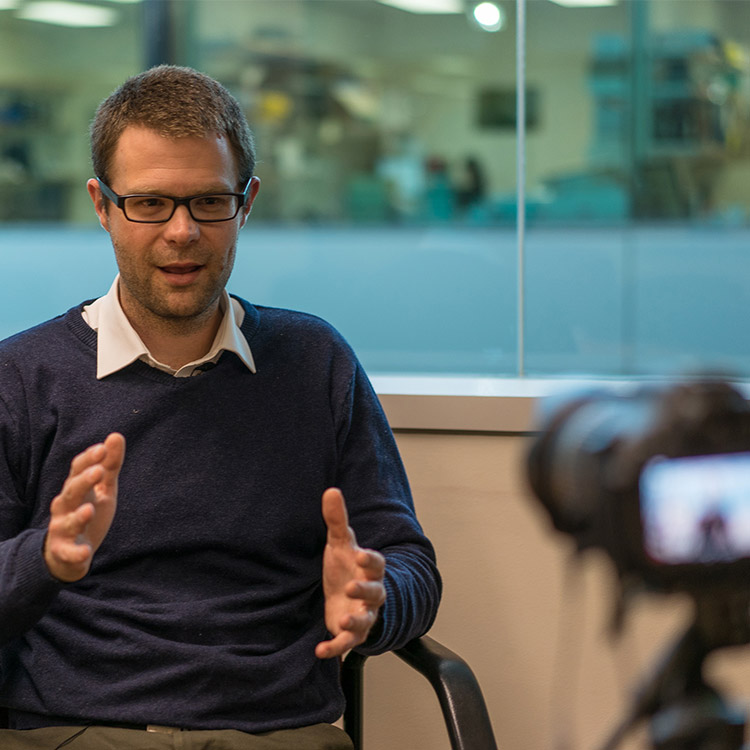
The Kids researchers finalists in Premier’s Science AwardsThe Kids Research Institute Australia has two researchers and an innovative science engagement initiative as finalists in the 2017 Premier’s Science Awards.
Research
Healthy skin for children and young people with skin of colour starts with clinician knowledge and recognition: a narrative reviewSkin conditions most frequently encountered in paediatric practice include infections, infestations, atopic dermatitis, and acne. Skin of colour refers to skin with increased melanin and darker pigmentation, and reflects global racial and ethnic diversity. Managing skin conditions in skin of colour requires health equity nuance, which is rarely explicitly taught.
Research
Serological Responses to Target Streptococcus pyogenes Vaccine Antigens in Patients With Proven Invasive β-Hemolytic Streptococcal InfectionsRising incidence of invasive β-hemolytic streptococcal (iBHS) infections has prompted consideration of vaccination as a preventative strategy for at-risk populations. The benefits of a vaccine targeting Lancefield group A (Streptococcus pyogenes; Strep A) would increase if cross-species immunity against Lancefield groups C/G (Streptococcus dysgalactiae subspecies equisimilis; SDSE) and B (Streptococcus agalactiae; GBS) was demonstrated.
Research
A blueprint for a multi-disease, multi-domain Bayesian adaptive platform trial incorporating adult and paediatric subgroups: the Staphylococcus aureus Network Adaptive Platform trialThe Staphylococcus aureus Network Adaptive Platform (SNAP) trial is a multifactorial Bayesian adaptive platform trial that aims to improve the way that S. aureus bloodstream infection, a globally common and severe infectious disease, is treated. In a world first, the SNAP trial will simultaneously investigate the effects of multiple intervention modalities within multiple groups of participants with different forms of S. aureus bloodstream infection.
Research
Evaluating the role of asymptomatic throat carriage of Streptococcus pyogenes in impetigo transmission in remote Aboriginal communities in Northern Territory, Australia: a retrospective genomic analysisStreptococcus pyogenes, or group A Streptococcus (GAS), infections contribute to a high burden of disease in Aboriginal Australians, causing skin infections and immune sequelae such as rheumatic heart disease. Controlling skin infections in these populations has proven difficult, with transmission dynamics being poorly understood. We aimed to identify the relative contributions of impetigo and asymptomatic throat carriage to GAS transmission.
Research
Starting the SToP trial: Lessons from a collaborative recruitment approachRecruitment in research can be challenging in Australian Aboriginal contexts. We aimed to evaluate the SToP (See, Treat, Prevent skin infections) trial recruitment approach for Aboriginal families to identify barriers and facilitators and understand the utility of the visual resource used.
Research
The Staphylococcus aureus Network Adaptive Platform Trial Protocol: New Tools for an Old FoeStaphylococcus aureus bloodstream (SAB) infection is a common and severe infectious disease, with a 90-day mortality of 15%-30%. Despite this, <3000 people have been randomized into clinical trials of treatments for SAB infection.
Research
Trimodal skin health programme for childhood impetigo control in remote Western Australia (SToP): a cluster randomised, stepped-wedge trialSkin infections affect physical health and, through stigma, social-emotional health. When untreated, they can cause life-threatening conditions. We aimed to assess the effect of a holistic, co-designed, region-wide skin control programme on the prevalence of impetigo.