
Search
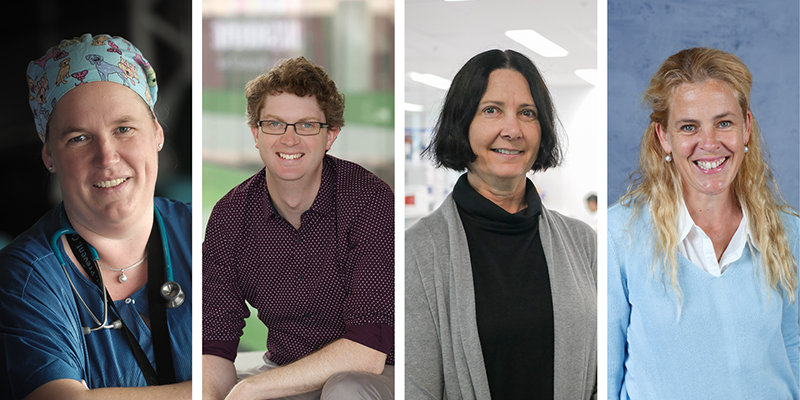
Research projects sharing in a $2.1 million funding boost will seek to translate research findings into changes that benefit patients and help the health system run more efficiently.
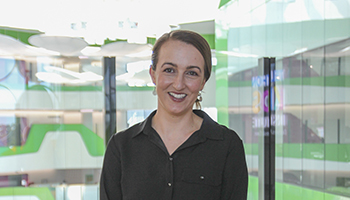
A The Kids Research Institute Australia PhD student has been awarded Western Australia’s only 2022 postgraduate scholarship by the National Health and Medical Research Council
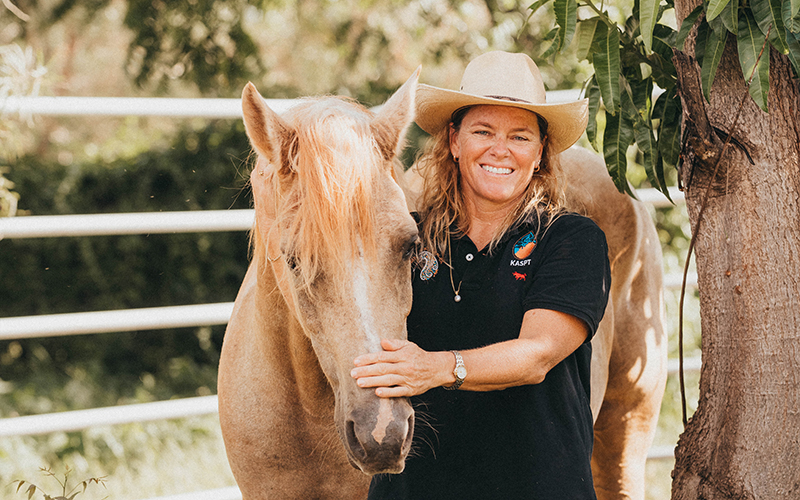
A trail-blazing Aboriginal-led program which uses equine-assisted learning to address the urgent needs of young Aboriginal people across the Kimberley has been given a major funding boost, thanks to a generous grant from Healthway.
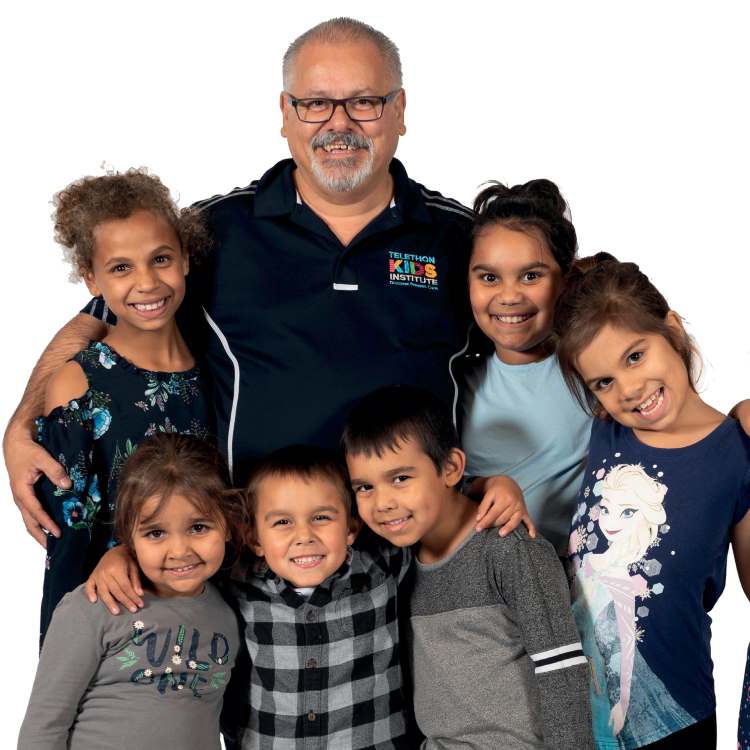
Led by nine Elders, the Ngulluk Koolunga Ngulluk Koort Project is working to generate a better understanding of early childhood development from an Aboriginal/Nyoongar perspective.
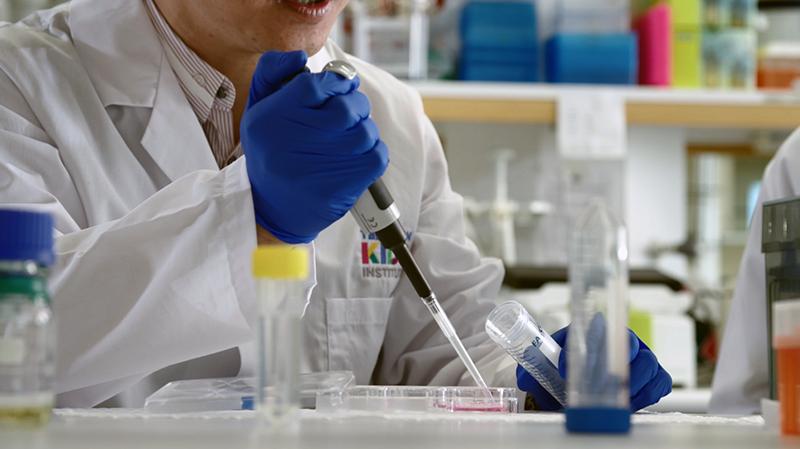
The Kids researchers will use nearly $8.5 million awarded by the National Health and Medical Research Council (NHMRC) to tackle health issues including respiratory disease, brain cancer, vaccination and Aboriginal health.
A new report that suggests strong connection to culture can help protect Aboriginal & Torres Strait Islander children from sexual abuse in institutions.
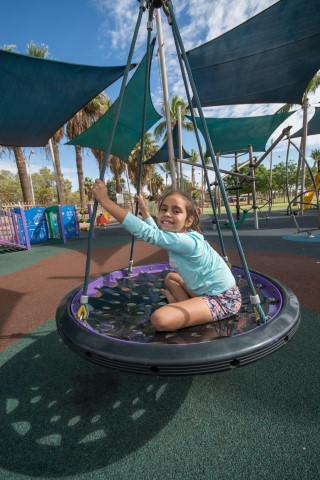
Researchers from The Kids Research Institute Australia are running a school program designed to help children adjust their levels of alertness and attention in class.
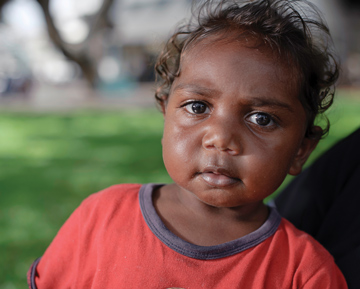
In 2016, with enabling donations from Denby Roberts, Stan Perron, Wesfarmers and Centurion, the Institute established a permanent presence in the Kimberley.
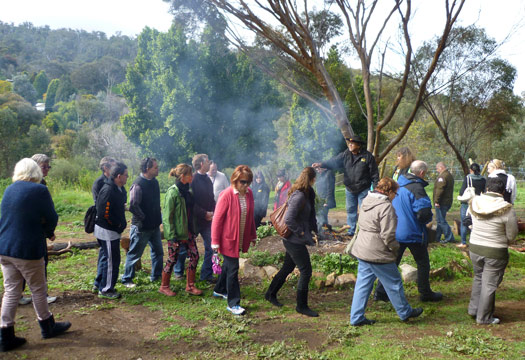
Dr Michael Wright remembers the 'aha' moment while working with distressed Nyoongar families to identify what was limiting engagement with services.
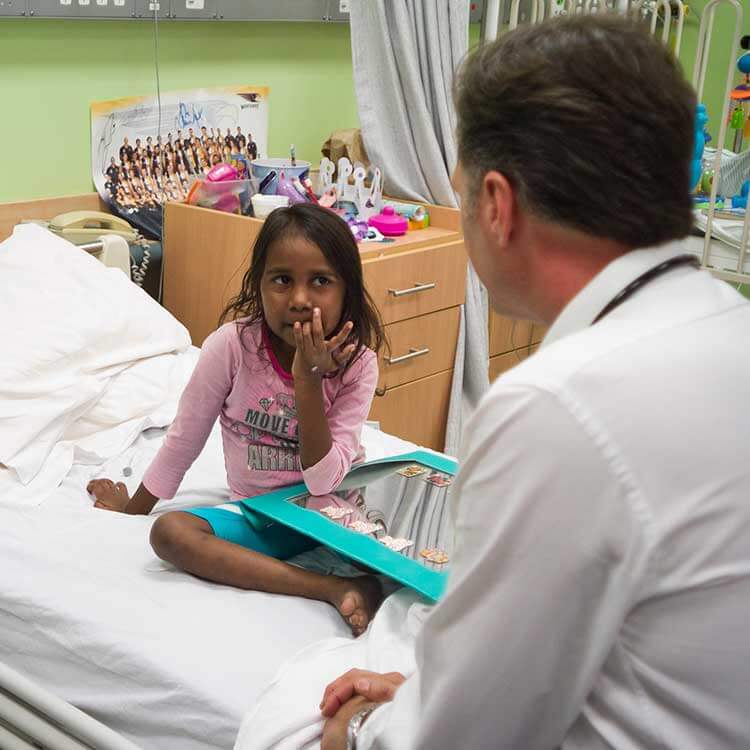
Some of the nation’s leading medical researchers will converge on Darwin this week to step out a plan to wipe out rheumatic heart disease.