
Search
There is no consensus on how best to measure responses to interventions among children and adults with cystic fibrosis (CF). We have systematically reviewed and summarised the characteristics and measurement properties of tests and tools that have been used to capture outcomes in studies among people with CF, including their reliability, validity and responsiveness. This review is intended to guide researchers when selecting tests or tools for measuring treatment effects in CF trials. A consensus set of these tests and tools could improve consistency in how outcomes are captured and thereby facilitate comparisons and synthesis of evidence across studies.
Antisense oligonucleotides are an emerging therapeutic option to treat diseases with known genetic origin. In the age of personalised medicines, antisense oligonucleotides can sometimes be designed to target and bypass or overcome a patient's genetic mutation, in particular those lesions that compromise normal pre-mRNA processing. Antisense oligonucleotides can alter gene expression through a variety of mechanisms as determined by the chemistry and antisense oligomer design.
Chinese immigrants living in Australia experience increased allergic conditions: asthma, eczema, hay fever and wheeze. Recently we reported diminished innate cytokine responses in long-term immigrants, potentially increasing their pathogenic viral load and microbial carriage. We hypothesise that a Western environment changes the nasal microbiome profile, and this altered profile may be associated with the development of allergic conditions. In this cross-sectional study, we aimed to examine the loading of viral and microbial respiratory pathogens in the upper airway.
André Schultz MBChB, PhD, FRACP Head, BREATH Team Head, BREATH Team Prof André Schultz is the Head, BREATH Team at The Kids Research Institute
André Schultz MBChB, PhD, FRACP Head, BREATH Team Head, BREATH Team Prof André Schultz is the Head, BREATH Team at The Kids Research Institute
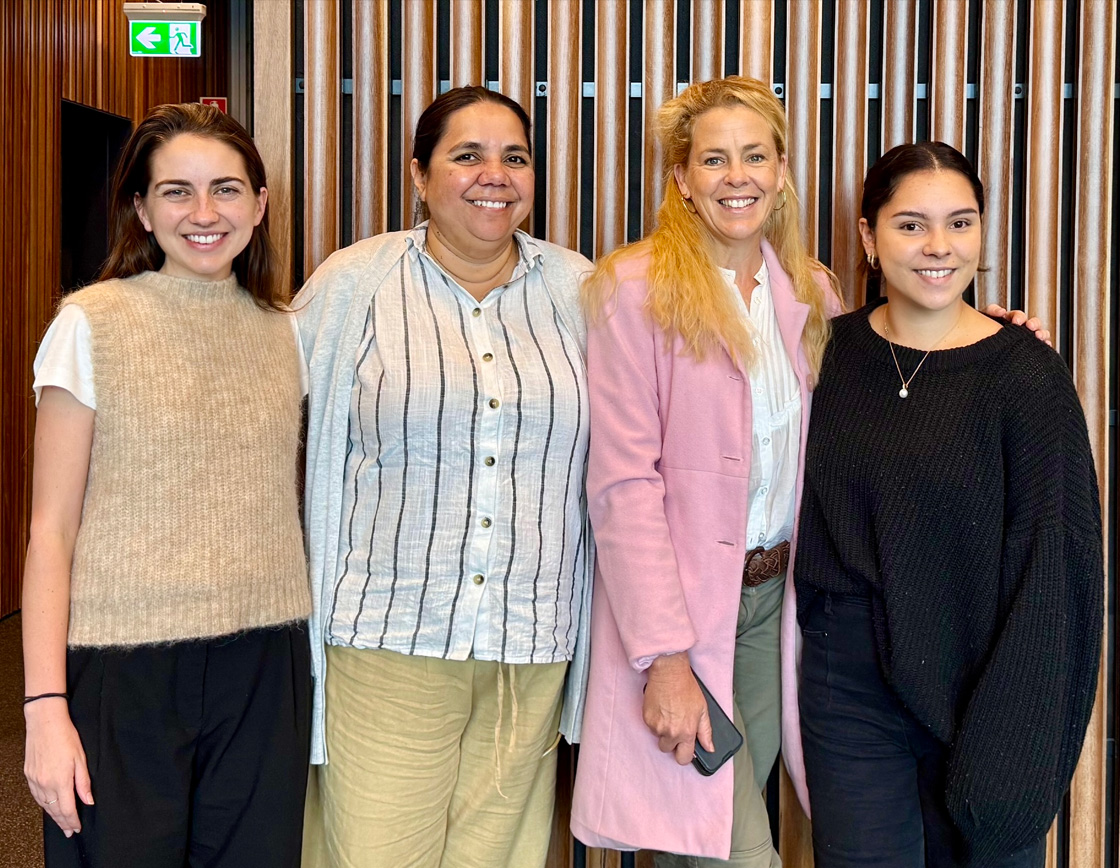
Inviting expressions of interest for the INSPIRE Consumer Reference Group (CRG) of WA – a group for the Aboriginal Children’s Excellent (ACE) Lung Health studies.
In partnership with Aboriginal health services, Government agencies and communities, we will develop and implement evidence-based strategies to improve the detection and management of chronic wet cough in Aboriginal and Torres Strait Islander children.
Electronic cigarette use, especially among younger members of society, has grown to concerning levels in many countries, including Australia and New Zealand. Uptake in the general population, driven by technological and pharmacological innovations, and accelerated by aggressive tobacco/vaping industry marketing, has outpaced medical research.
The aim is to examine whether using a portable spring-infusor device to deliver antibiotics compared with a standard infusion pump (SIP) translated to (i) improve health outcomes, (ii) reduce the length of stay (LoS), and (iii) reduce cost for treatment of exacerbations of cystic fibrosis.
Treatment options for viral lung infections are currently limited. We aimed to explore the safety and efficacy of inhaled ethanol in an influenza-infection mouse model.