
Search
Pre-clinical studies developing novel therapies to prevent cancer recurrence require appropriate surgical models. Here, we present a protocol for surgical debulking of subcutaneous tumors in mice, which allows for intraoperative application of immunotherapy-loaded biomaterials.
Time-critical transcriptional events in the immune microenvironment are important for response to immune checkpoint blockade (ICB), yet these events are difficult to characterise and remain incompletely understood. Here, we present whole tumor RNA sequencing data in the context of treatment with ICB in murine models of AB1 mesothelioma and Renca renal cell cancer.
Antibodies that target immune checkpoints such as cytotoxic T lymphocyte antigen 4, programmed cell death protein/ligand 1 are approved for treatment of multiple cancer types.
Platinum-based chemotherapy in combination with anti-PD-L1 antibodies has shown promising results in mesothelioma. However, the immunological mechanisms underlying its efficacy are not well understood and there are no predictive biomarkers to guide treatment decisions.
Invasive fungal disease (IFD) occurs less frequently during treatment for solid compared to hematological malignancies in children, and risk groups are poorly defined. Retrospective national multicenter cohort data (2004-2013) were analyzed to document prevalence, clinical characteristics, and microbiology of IFD.
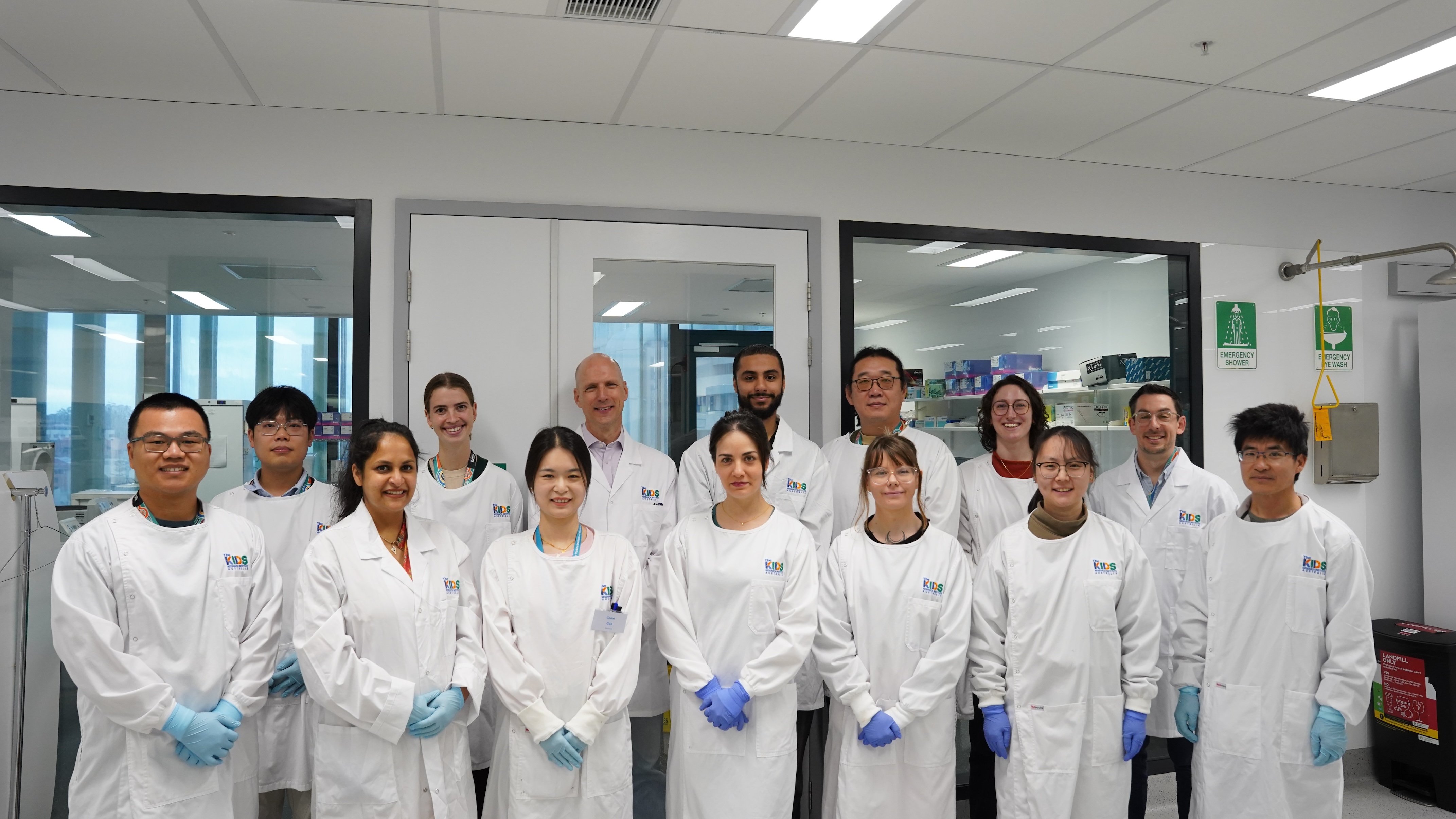
We aim to discover and develop safer and more effective treatments by doing inventive and rigorous research to improve outcomes for kids with cancer.
The efficacy of chimeric antigen receptor (CAR) T cell therapy in solid tumours is limited by immunosuppression and antigen heterogeneity. To overcome these barriers, 'armoured' CAR T cells, which secrete proinflammatory cytokines, have been developed. However, their clinical application has been limited because of toxicity related to peripheral expression of the armouring transgene.
Citation: Sek K, Chen AXY, Cole T, Armitage JD, Tong J, ……… Waithman J, Parish IA, et al. Tumor site-directed A1R expression enhances CAR T cell
The investigation of ovarian development, dysfunction, and aging is essential for female reproductive health. Despite extensive research on the cellular functions of Brefeldin A (BFA) as an intracellular transport inhibitor, its specific effects and mechanisms on ovarian development/aging remain inadequately understood.
The epidermal growth factor receptor (EGFR) family of receptor tyrosine kinases (RTKs) consists of EGFR, ErbB2, ErbB3, and ErbB4. These receptors play key roles in cell proliferation, angiogenesis, cell migration, and in some cases, tumor promotion.