
Search
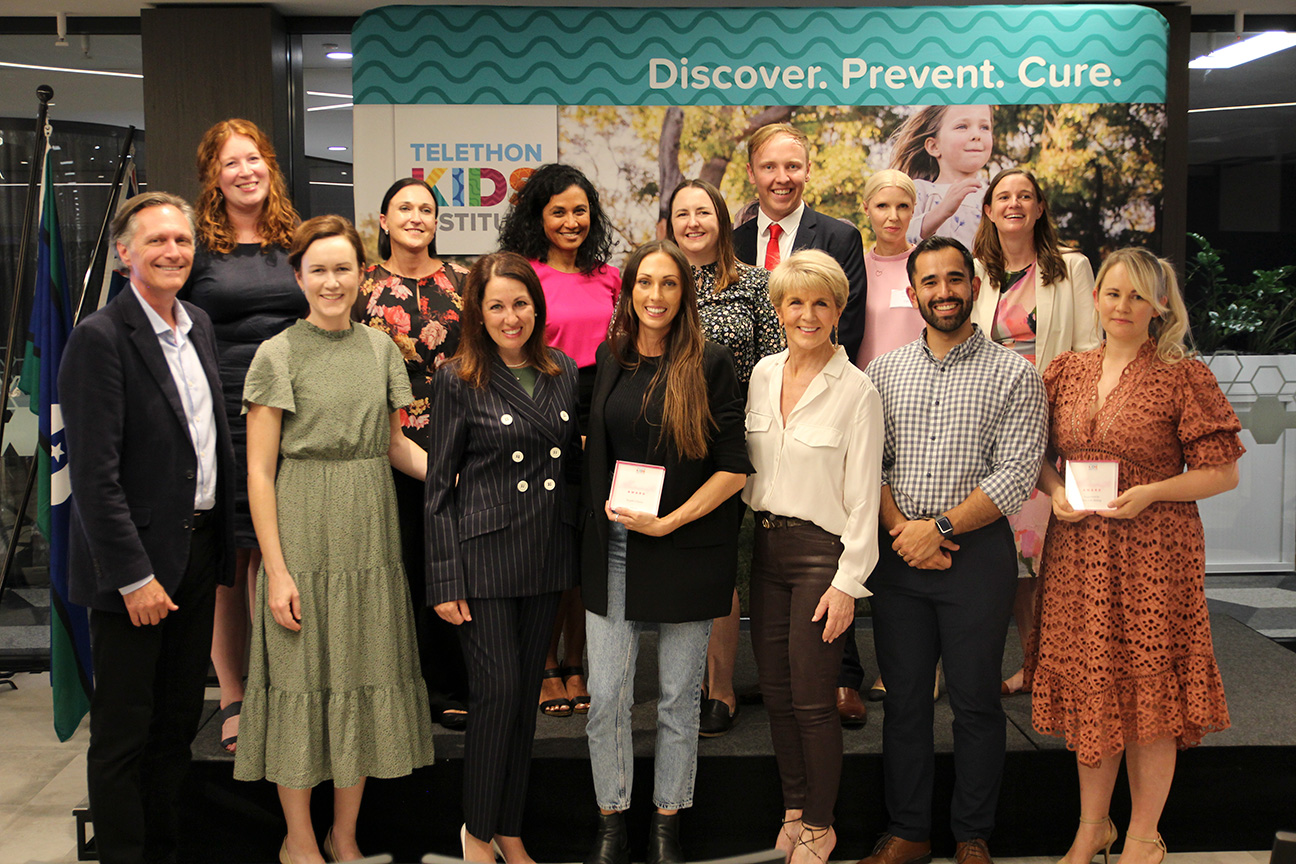
Ten researchers from different areas took to the stage with a carefully crafted presentation and three-minute pitch, in efforts to spark the interest of 80 guests
Components of the bone marrow microenvironment (BMM) have been shown to mediate the way in which leukemia develops, progresses and responds to treatment. Increasing evidence shows that leukemic cells hijack the BMM, altering its functioning and establishing leukemia-supportive interactions with stromal and immune cells.
Epigenetic modifications are associated with hepatic fat accumulation and non-alcoholic fatty liver disease (NAFLD). However, few epigenetic modifications directly implicated in such processes have been identified during adolescence, a critical developmental window where physiological changes could influence future disease trajectory. To investigate the association between DNA methylation and NAFLD in adolescence, we undertook discovery and validation of novel methylation marks, alongside replication of previously reported marks.
It is well established that maternal mental illness is associated with an increased risk of poor development for children. However, inconsistencies in findings regarding the nature of the difficulties children experience may be explained by methodological or geographical differences.
Despite significant improvements in pediatric cancer survival outcomes, there remain glaring disparities in under-represented racial and ethnic groups that warrant mitigation by the scientific and clinical community. To address and work towards eliminating such disparities, the Pacific Pediatric Neuro-Oncology Consortium (PNOC) and Children's Brain Tumor Network (CBTN) established a Diversity, Equity, and Inclusion (DEI) working group in 2020. The DEI working group is dedicated to improving access to care for all pediatric patients with central nervous system (CNS) tumors, broadening diversity within the research community, and providing sustainable data-driven solutions.

We know many families have questions about the risk of COVID-19 to children with type 1 diabetes. To address these questions, Perth Children’s Hospital’s Diabetes Clinic has provided information and resources to help you navigate this tricky period.

Recently moved or updated your phone number? If so, please let us know here at PCH’s Diabetes Clinic so we can keep you up to date with clinic information.
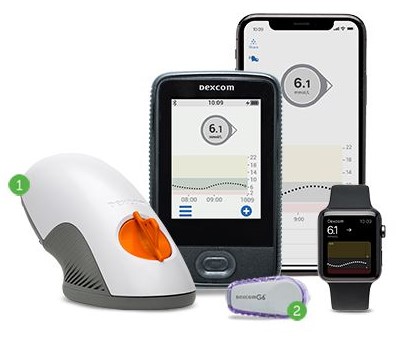
The Dexcom G6 Continuous Glucose Monitoring (CGM) system has been approved by the Therapeutic Goods Administration (TGA) for use in Australia.

Managing blood glucose levels with different foods can be challenging. Our research team would like to know how the hybrid closed loop system, deals with these foods, compared to standard pump therapy.
Christopher Tobias Blyth Kollmann MBBS (Hons) DCH FRACP FRCPA PhD PhD, M.D., SFUW Centre Head, Wesfarmers Centre of Vaccines and Infectious Diseases;