
Search
The COVID-19 pandemic has led to far-reaching disruptions to health systems, including preventative and curative services for malaria. The aim of this study was to estimate the magnitude of disruptions in malaria case management in sub-Saharan Africa and their impact on malaria burden during the COVID-19 pandemic. We used survey data collected by the World Health Organization, in which individual country stakeholders reported on the extent of disruptions to malaria diagnosis and treatment.
The coronavirus disease 2019 (COVID-19) pandemic continues to impact mental health and wellbeing globally. There is a lack of scientific documentation highlighting the mental health impact of COVID-19 in Bhutan. We present the mental health burdens and control measures taken, and suggest ways to further strengthen mental health services in Bhutan.
Malaria rapid diagnostic tests (RDTs) based on the detection of the Plasmodium falciparum histidine-rich protein 2 (HRP2) antigen are widely used for detection of active infection with this parasite and are the only practical malaria diagnostic test in some endemic settings.
During the COVID-19 pandemic, and particularly 2020-2021, young adults were often significant transmitters of the virus. Prior to the availability of vaccines for young adults, we sought to understand what would contribute to their uptake of a COVID-19 vaccine and how government policy might intervene. We undertook qualitative interviews between February and April 2021 with 19 participants (aged 18-29) in Perth, Western Australia.
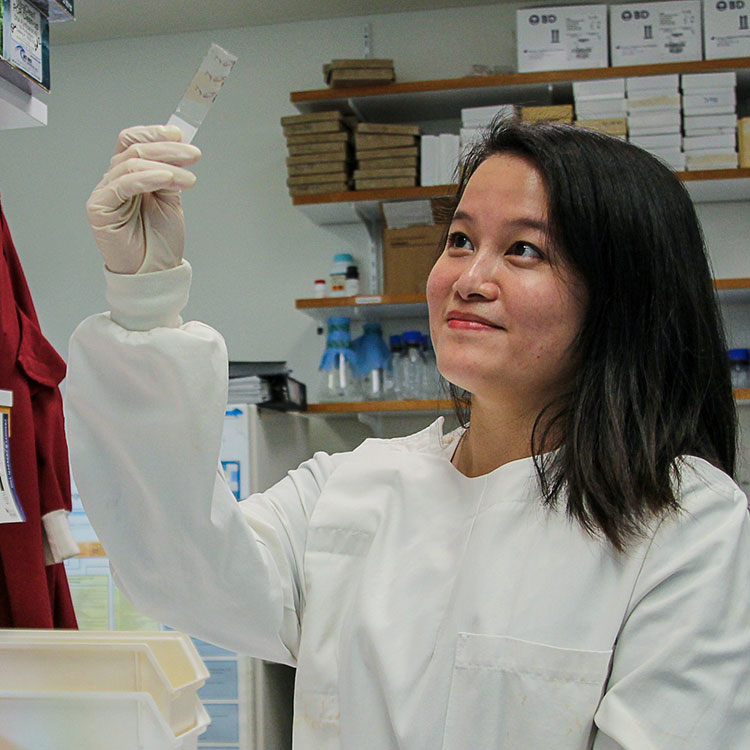
The Kids Research Institute Australia researchers have been awarded five of eight State Government awards designed to help cover the hidden costs of conducting research.
From 1 January 2020 to 31 December 2021, thirty-eight institutions across Australia submitted data to the Australian Group on Antimicrobial Resistance (AGAR) from patients aged < 18 years (AGAR-Kids). Over the two years, 1,679 isolates were reported from 1,611 patients. This AGAR-Kids report aims to describe the population of children and adolescents with bacteraemia reported to AGAR and the proportion of resistant isolates.

Whooping cough (pertussis) is a highly contagious respiratory infection which causes a severe cough and can be particularly dangerous to babies under a year old. Vaccination is the best way to reduce the risk of whooping cough.
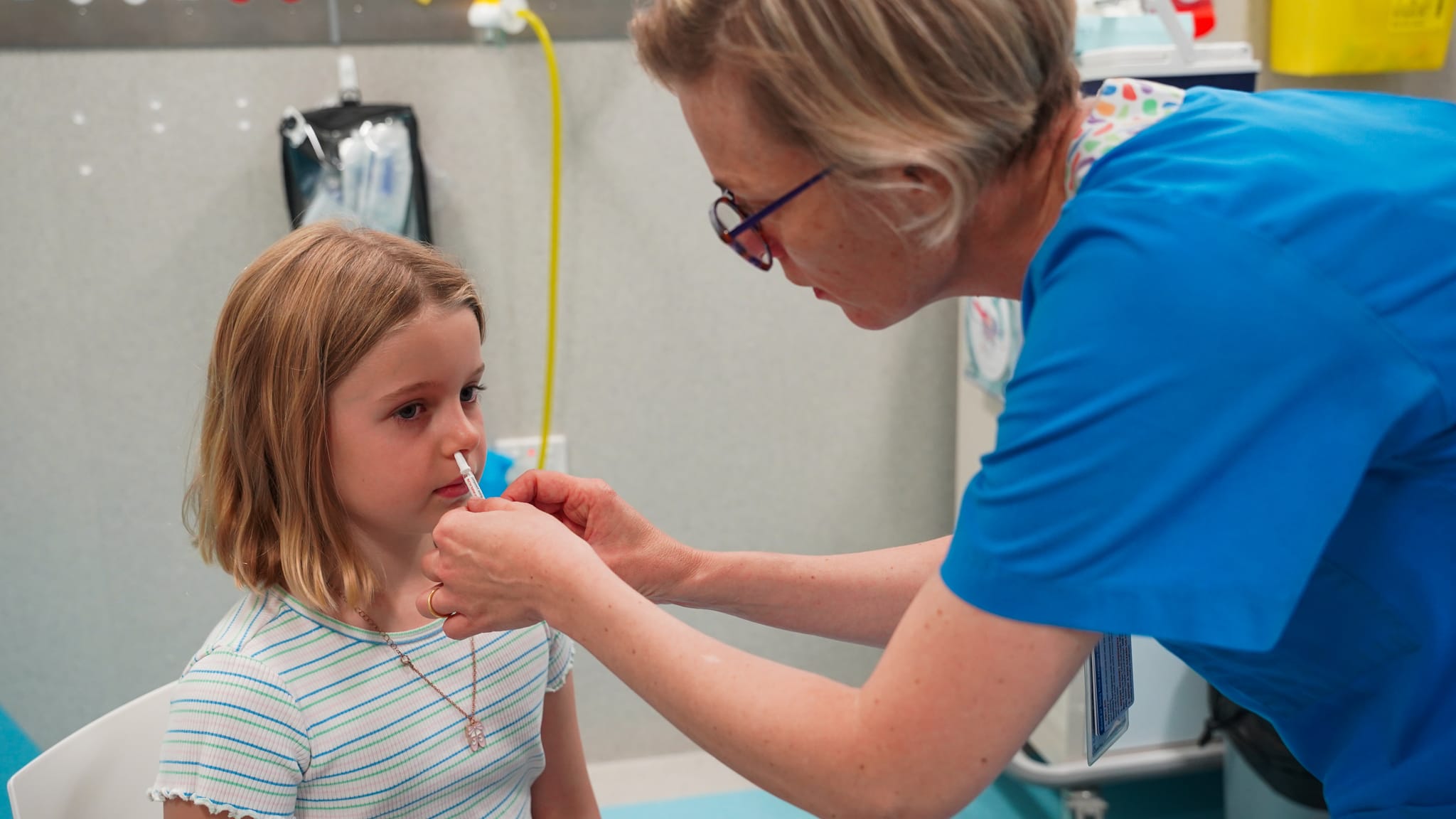
Influenza (commonly known as the flu) is caused by a highly contagious virus spread mainly through coughing and sneezing. An annual flu vaccination is the most effective way to prevent flu outbreaks.
Coronavirus-2019 (COVID-19) vaccination in Australia commenced in February 2021. The first vaccines recommended for use were AZD1222 and BNT162b2, both delivered as a two-dose primary schedule. In the absence of sustained immunity following immunisation, recommendations for booster vaccination have followed. It is likely that periodic boosting will be necessary for at least some Australians, but it is unknown what the optimal booster vaccines and schedules are or for whom vaccination should be recommended.

More children across Australia are being vaccinated against the flu since funding was expanded and access widened under the National Immunisation Program