
Search
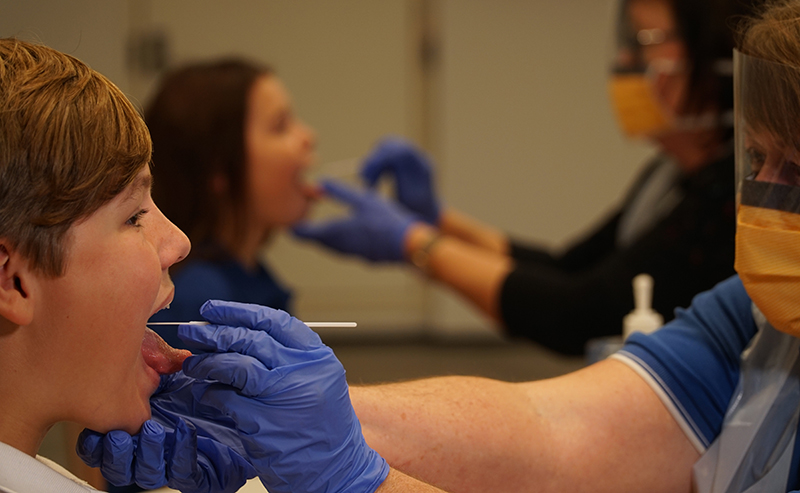
The DETECT Schools program is underway, with swabs taken at 13 of the participating schools across Western Australia. No asymptomatic COVID-19 has been detected to date.
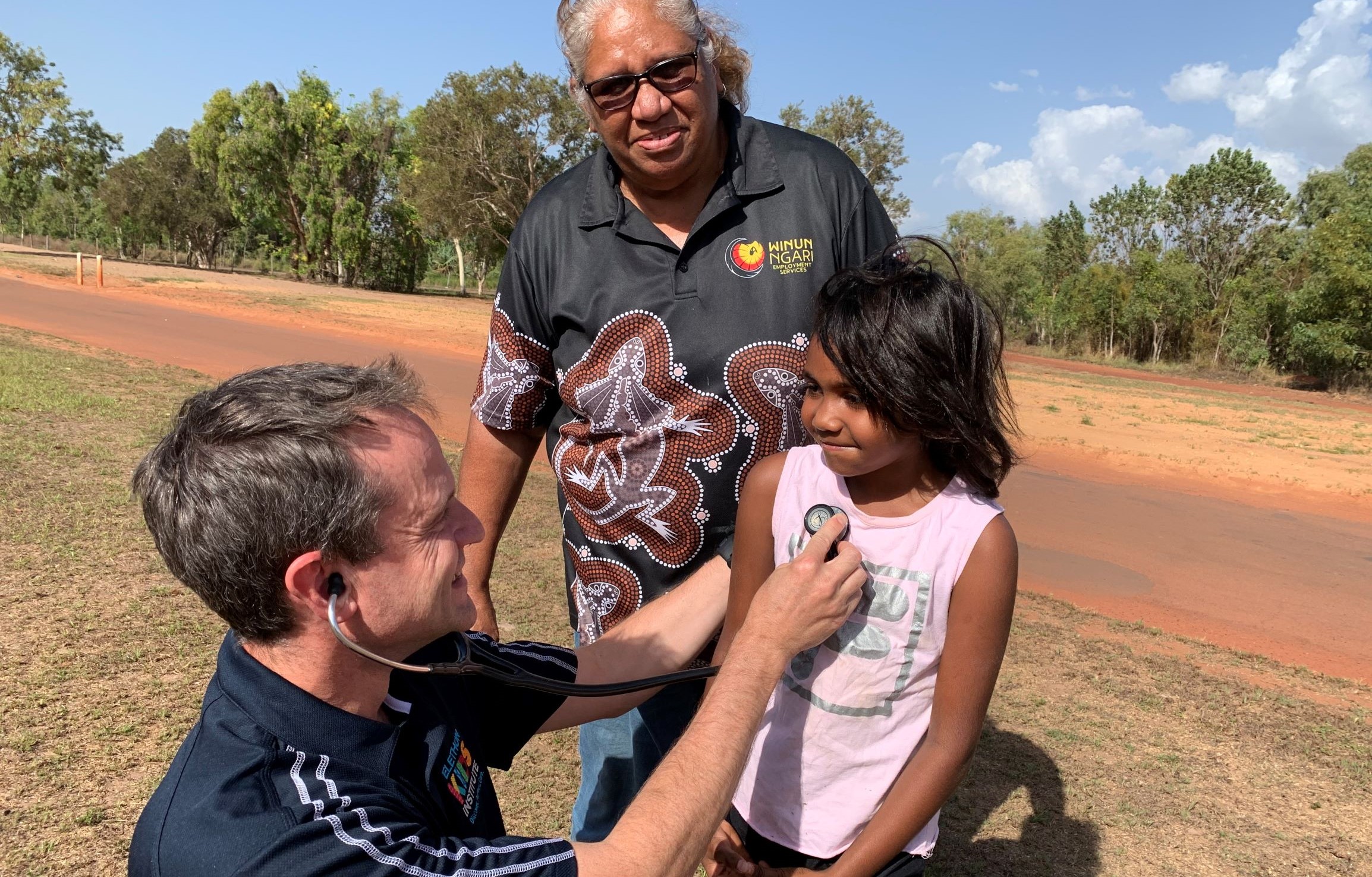
Results from a world first-study measuring prevalence of chronic wet cough and protracted bacterial bronchitis in four Kimberley Aboriginal communities have highlighted the enormity of the health problem.
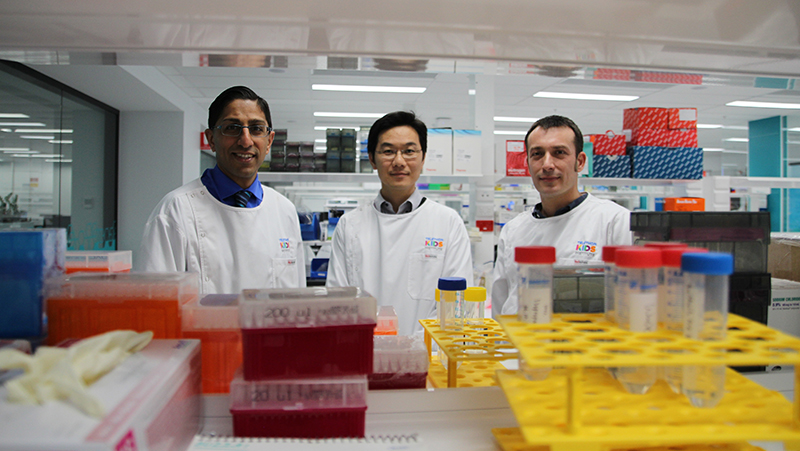
Kids born with Down syndrome are at high risk of an array of health problems – including issues with sight, hearing, heart defects, bone complications, immune disorders and learning difficulties.
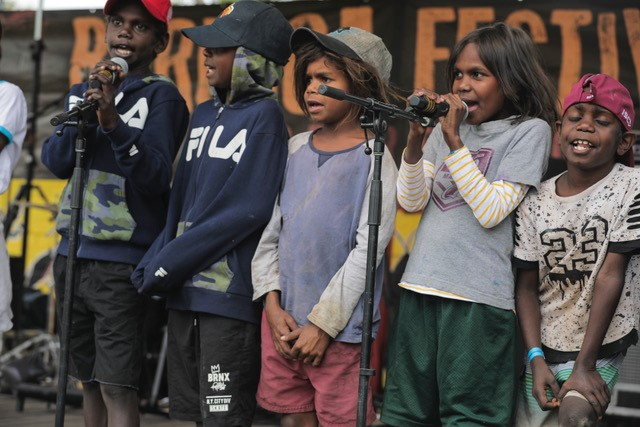
A song written by kids in Barunga as part of the END RHD Communities Project is helping prevent the spread of infections that cause rheumatic heart disease in remote Aboriginal Communities.

For the first time this year, all Australian babies and children aged six months to four years will be entitled to have a free influenza vaccination.
In this report, we present a protocol for a geospatial meta-analysis to investigate the spatial patterns of TB prevalence in Ethiopia
Immunity is distinct in early life and greater precision is required in our understanding of mechanisms of early life protection to inform development of new pediatric vaccines
Protection may be further improved by integrating these approaches, namely vaccinating the neonate under the cover of vertically transferred maternal immunity
The study highlights the need for support for parents and carers of young people who engage in self-harm
Alcohol use can have adverse health effects among children and adolescents