
Search
Non-Aspergillus molds and non-albicans Candida contributed substantially to pediatric invasive fungal infection in our study
Occult maternal heart disease may be responsible for a substantial proportion of adverse pregnancy outcomes in low-resource settings
Children of parents who have been hospitalised with psychiatric disorders are at risk for poor school readiness
We write this perspective to raise awareness of antimicrobial resistance as an issue in Indigenous primary health care
Health care-associated bacteraemia has a significant impact on child health, exceeding the number of community-acquired bacteraemia at our hospital
Efforts to eliminate ARF and RHD in Australia over the past decade have so far been unsuccessful, but this can change
Exposure to racial discrimination in Aboriginal children increased the risk for a spectrum of interrelated factors linked to negative mental health
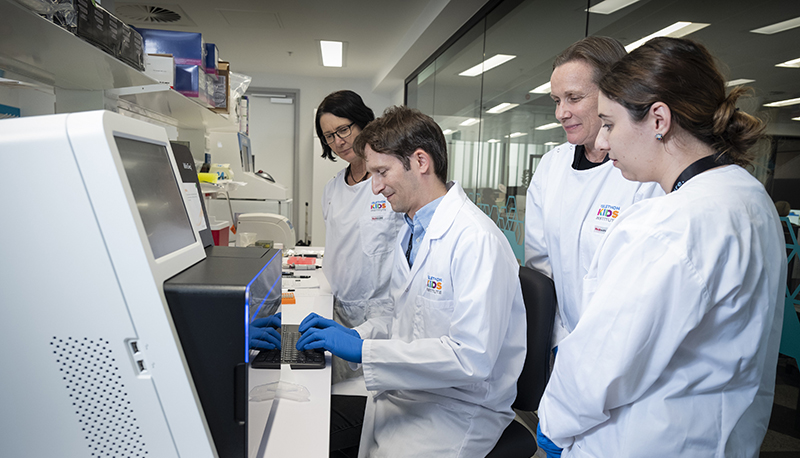
Researchers at The Kids Research Institute Australia working to provide confident diagnoses for children suffering from rare diseases have created a new computer algorithm to help pinpoint the mutations responsible for the conditions.
Accelerated epigenetic age in adolescence was associated with inflammation, BMI measured 5 years later, and probability of middle age cardiovascular disease
These data suggest that altered methylation of CpG loci within SLC6A4 may provide a robust marker of adiposity across the life course