
Search
People with type 1 diabetes require the completion of a Medical Assessment form for activities such as driving, skipper tickets and scuba-diving etc.
Learn about Lucy's journey through the eyes of her mum, and through the video "T1D: Our Lucy".
Find all the events the Children's Diabetes Centre have scheduled for 2016.

Don't skip breakfast. Having breakfast establishes a healthy eating routine which is important both for weight control and for brain development in children.
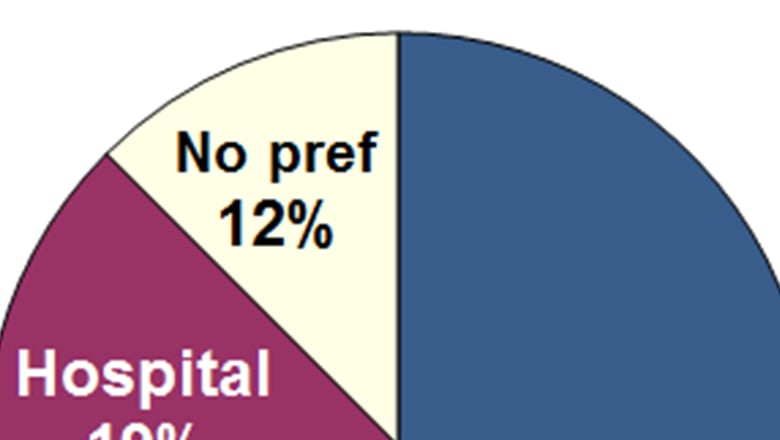
We recently ran a study to compare the traditional model of care with a family-friendly, slower-paced, home-based alternative.
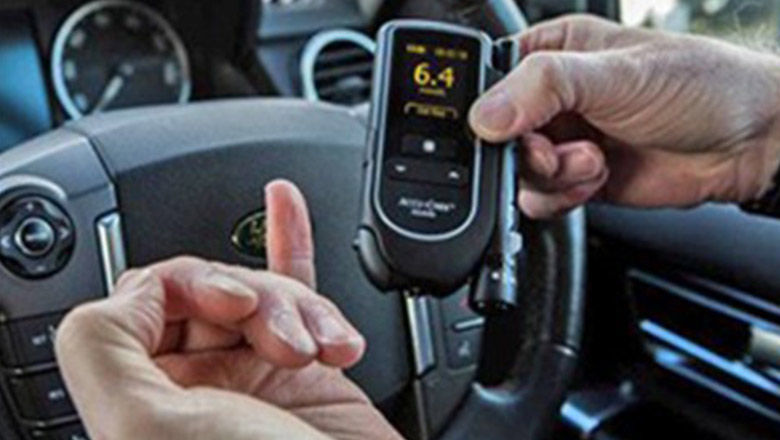
Getting a driver's license is an important milestone for a young adult in terms of gaining independence, including young people with diabetes.
We have recently set up an HbA1c working party, tasked with the mission of lowering the overall HbA1c across all patients and clinics run by PMH.
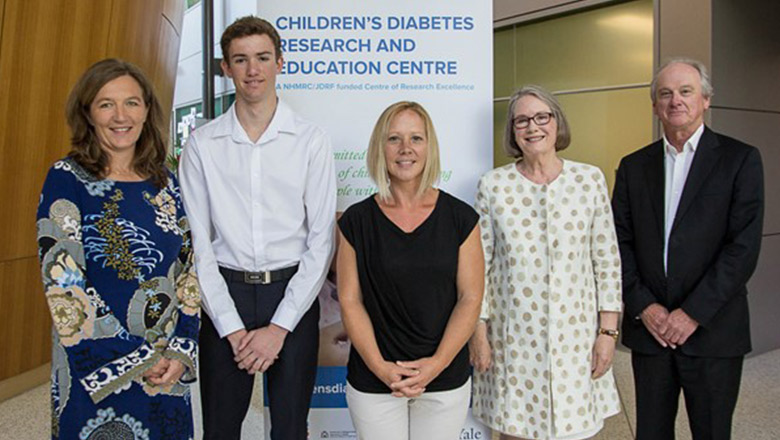
After an intensely competitive process, the research team at Princess Margaret Hospital were awarded $5.2million from a joint JDRF/NHMRC research grant.
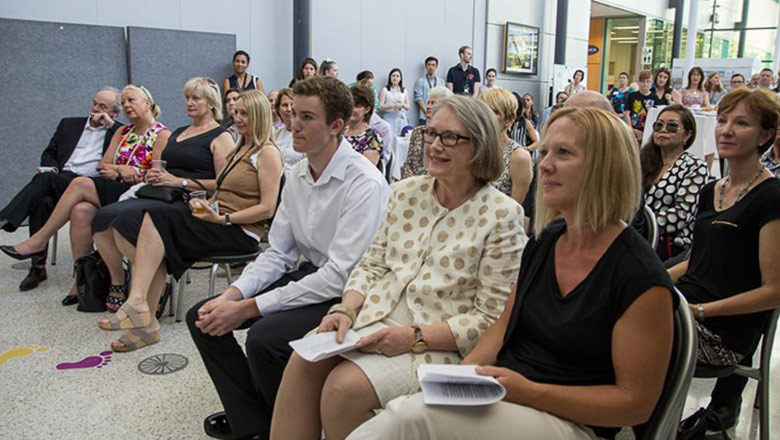
Research into childhood diabetes in Perth has been given a major boost with the launch of the WA Children's Diabetes Research and Education Centre for Research Excellence (CRE) on the eve of World Diabetes Day.
The Rio Tinto Children’s Diabetes Centre; a Breakthrough T1D Centre of Excellence at The Kids Research Institute Australia and Perth Children’s Hospital (PCH), is a global hub for research into type 1 diabetes (T1D) in children.