
Search
Citation: Libman I, Haynes A, Lyons S, Pradeep P, Rwagasor E, et al. ISPAD Clinical Practice Consensus Guidelines 2022: Definition, epidemiology, and

Amy Bertinshaw had a choice between ‘wait and see’ or seek help when she noticed her son Stirling was slower to meet developmental milestones at age 12 months.
A random effects meta-analysis was used to estimate the pooled prevalence of HIV infection within minority indigenous populations of the South-East Asia (SEAR) and Western Pacific Regions (WPR). Sub-group analyses were conducted, and the sources of heterogeneity explored through meta-regression. The majority of studies were undertaken in high HIV risk subpopulations.
Human immunodeficiency virus and acquired immune deficiency syndrome (HIV/AIDS) is still among the leading causes of disease burden and mortality in sub-Saharan Africa (SSA), and the world is not on track to meet targets set for ending the epidemic by the Joint United Nations Programme on HIV/AIDS (UNAIDS) and the United Nations Sustainable Development Goals (SDGs).
Human mobility is a driver for the reemergence or resurgence of malaria and has been identified as a source of cross-border transmission. However, movement patterns are difficult to measure in rural areas where malaria risk is high. In countries with malaria elimination goals, it is essential to determine the role of mobility on malaria transmission to implement appropriate interventions.
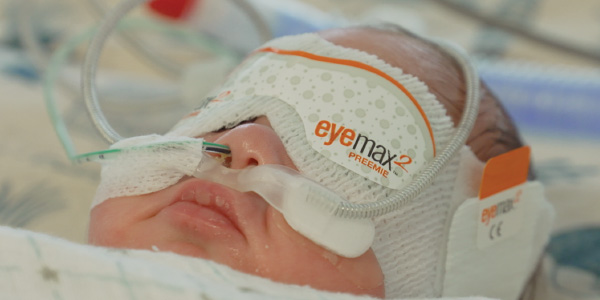
A simple set of eye masks and ear plugs – an inexpensive solution explored in a successful pilot study by The Kids Research Institute Australia, together with the Child and Adolescent Health Service – could hold the key to better outcomes for our tiniest bubs. Now, a nationwide clinical trial is testing the idea

The Kids Research Institute Australia’s Perioperative Medicine team is helping to change global and local practice by finding safer and gentler ways to both undertake surgery, and care for kids and families afterwards.
Cardiovascular disease (CVD) is the leading cause of death in women around the world. Aboriginal and Torres Strait Islander women (Australian Indigenous women) have a high burden of CVD, occurring on average 10-20 years earlier than non-Indigenous women.
The meningococcal serogroup B-factor H binding protein vaccine (MenB-FHbp) is licensed for use in children aged 10 years or older for protection against invasive serogroup B meningococcal disease. Because young children are at increased risk of invasive meningococcal disease, MenB-FHbp clinical data in this population are needed.
Mechanisms underlying the anaphylactic reaction in humans are not fully understood. Here, we aimed at improving our understanding of anaphylaxis by investigating gene expression changes.