
Search
Publications, papers and findings coming out of ORIGINS and its sub-projects
An interventional birth cohort researching ways to optimise health and identify conditions that enable every child to flourish from an early age.
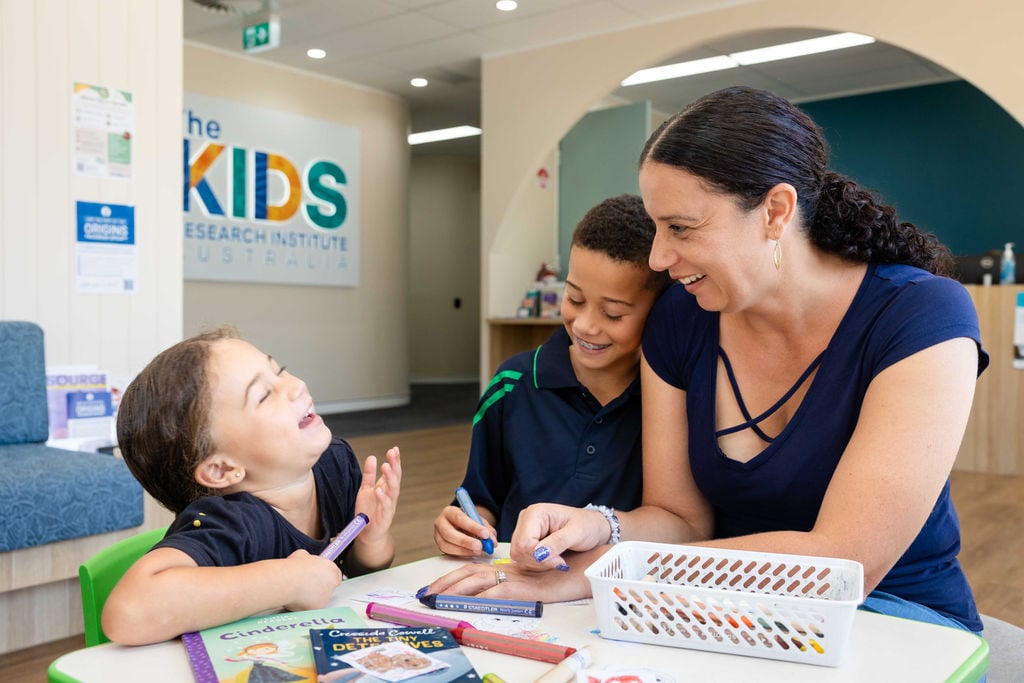
A unique national platform delivering faster research at scale to improve the health, wellbeing and equity of children and their parents across Australia
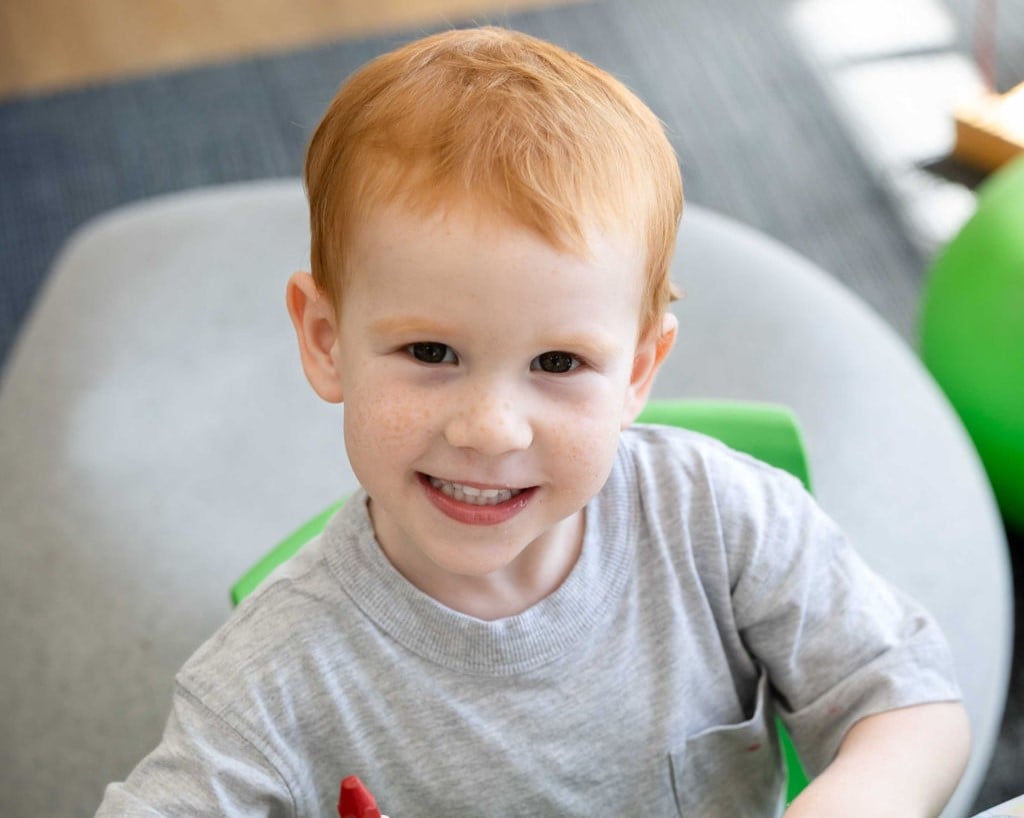
All participating families to receive $10 e-voucher for this generous donation.*
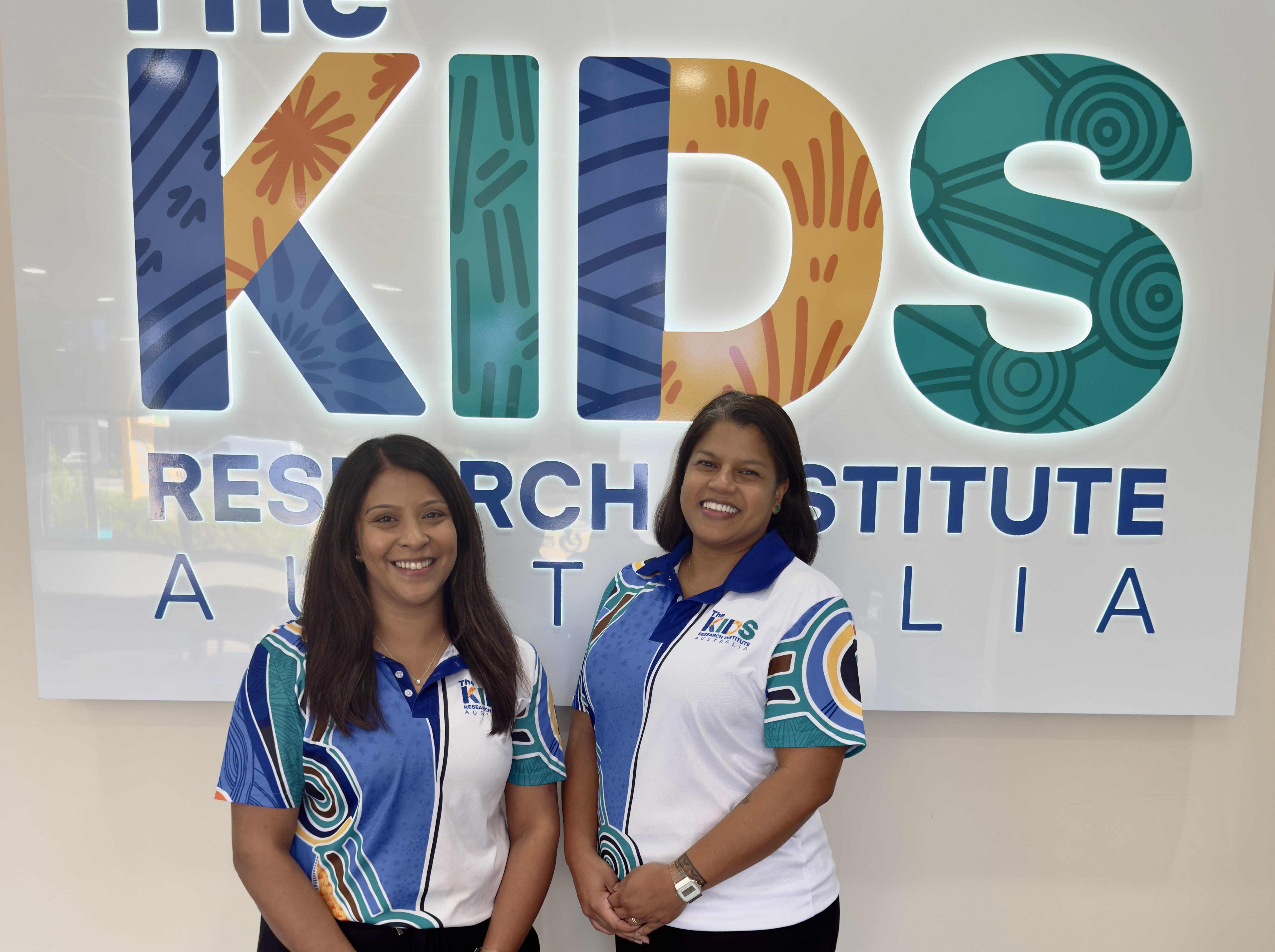
Hear from Avril Bezant, ORIGINS Data Coordinator, and Alexis Harun, ORIGINS Paediatric Coordinator, and be reminded that it’s never too late to pursue your passion along with their hopes for women entering a STEM career.
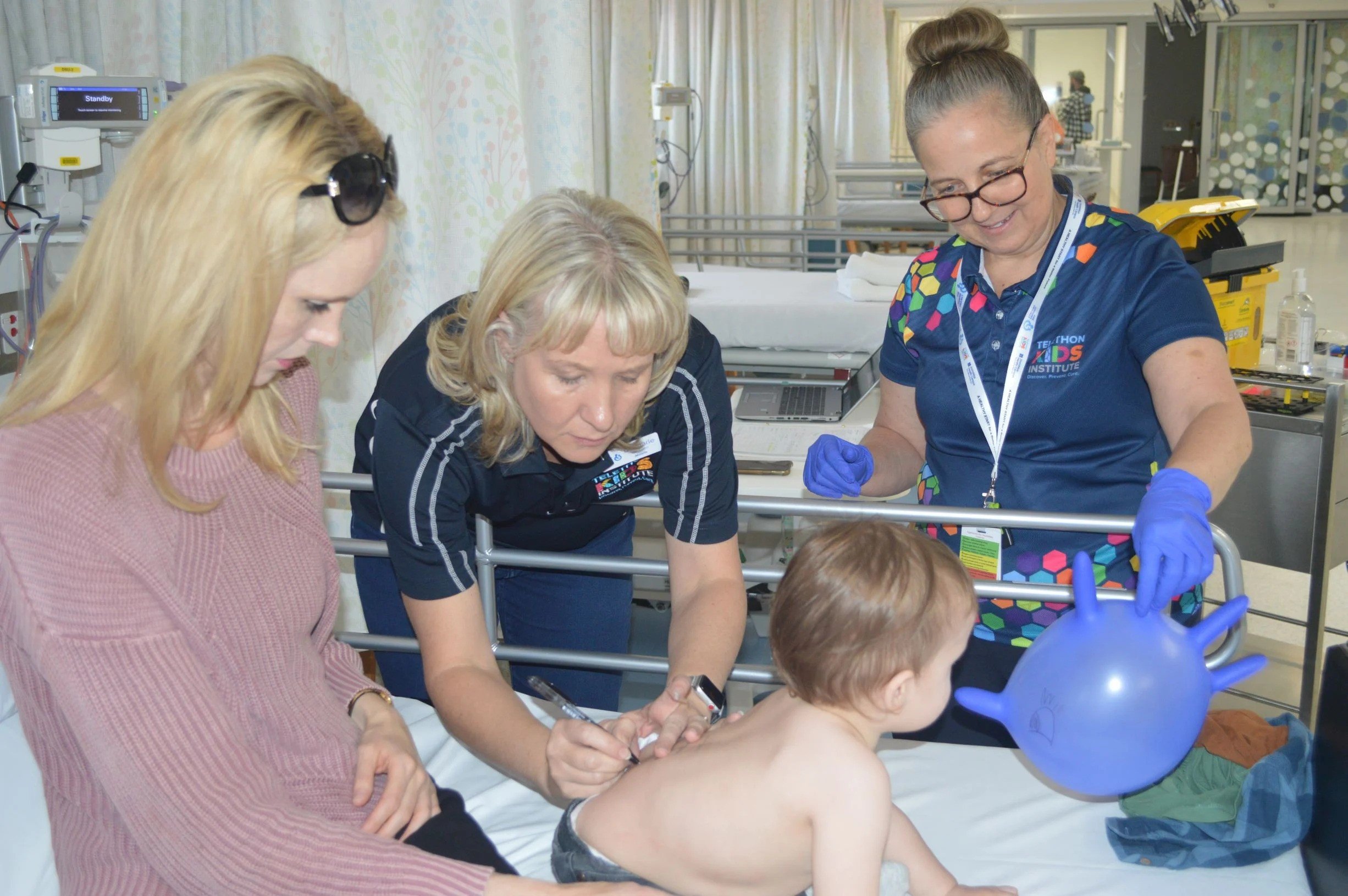
This fellowship will assist Associate Professor Palmer in her large-scale food allergy prevention trials.
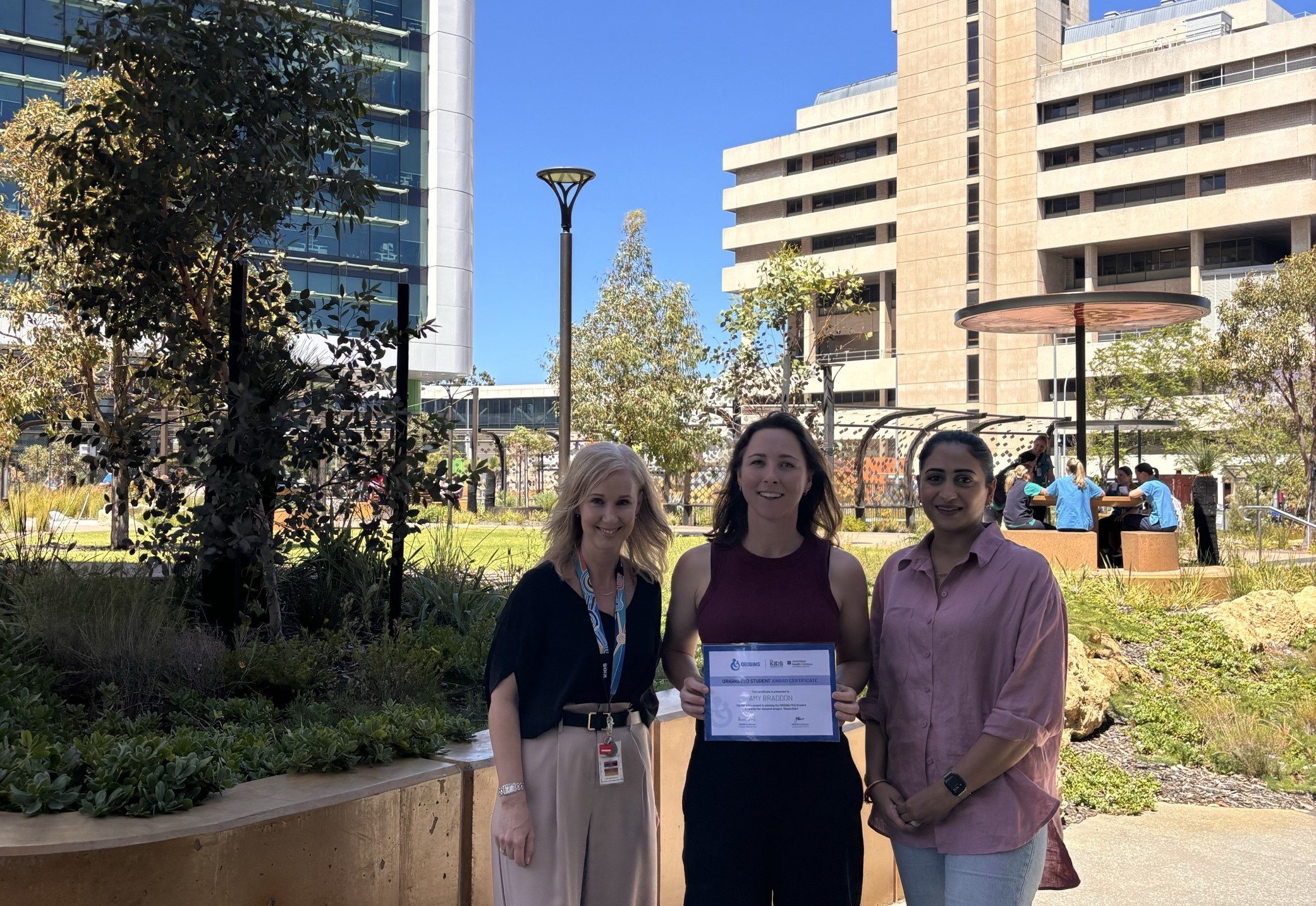
Miss Braddon will be awarded with $15,000 to go towards her research project, DreamStart
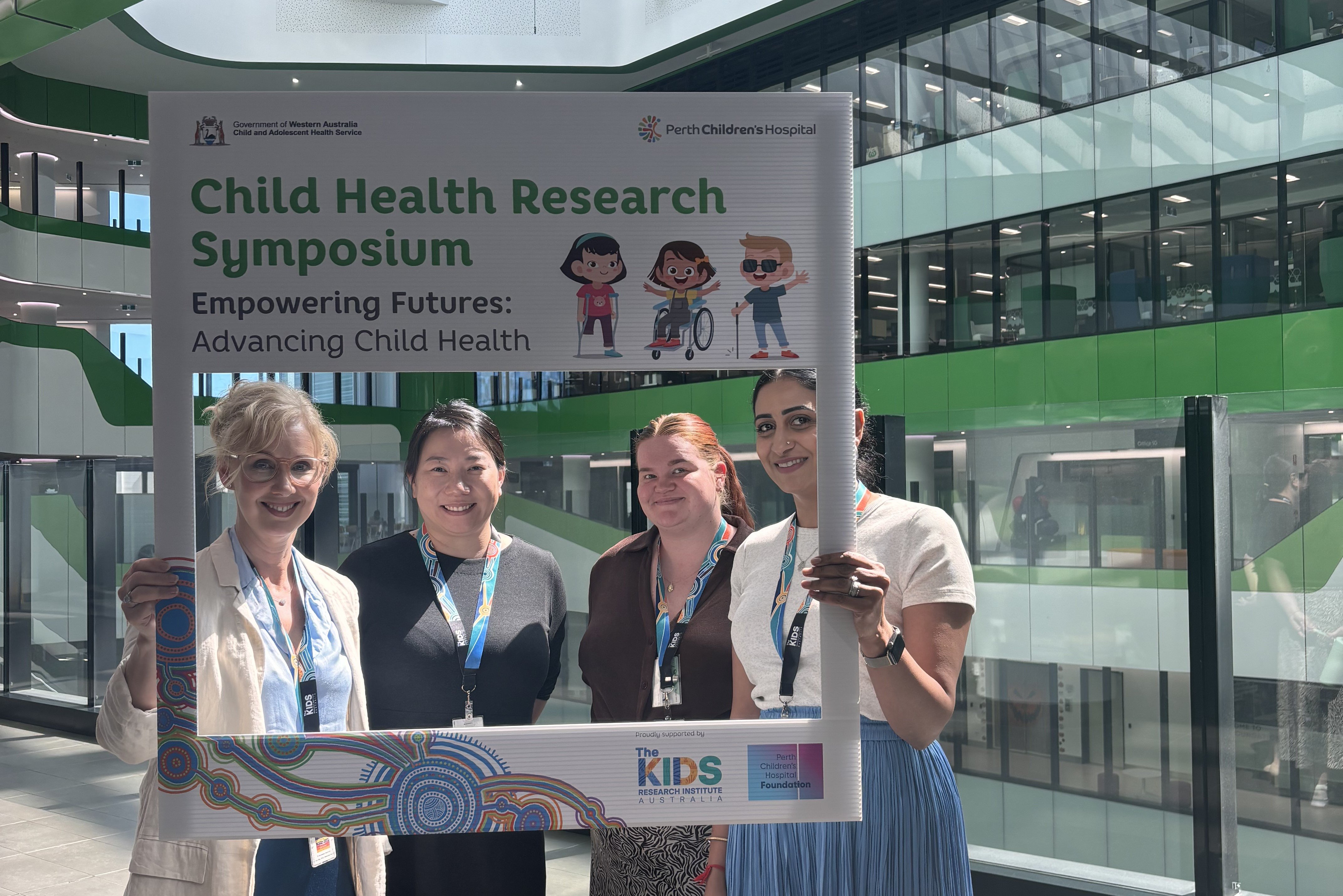
ORIGINS featured heavily at this years Child and Adolescent Health Services (CAHS) Symposium, with presentations from our Co-Director, Professor Desiree Silva, and ORIGINS Data Manager, Dr Sarah Whalan.
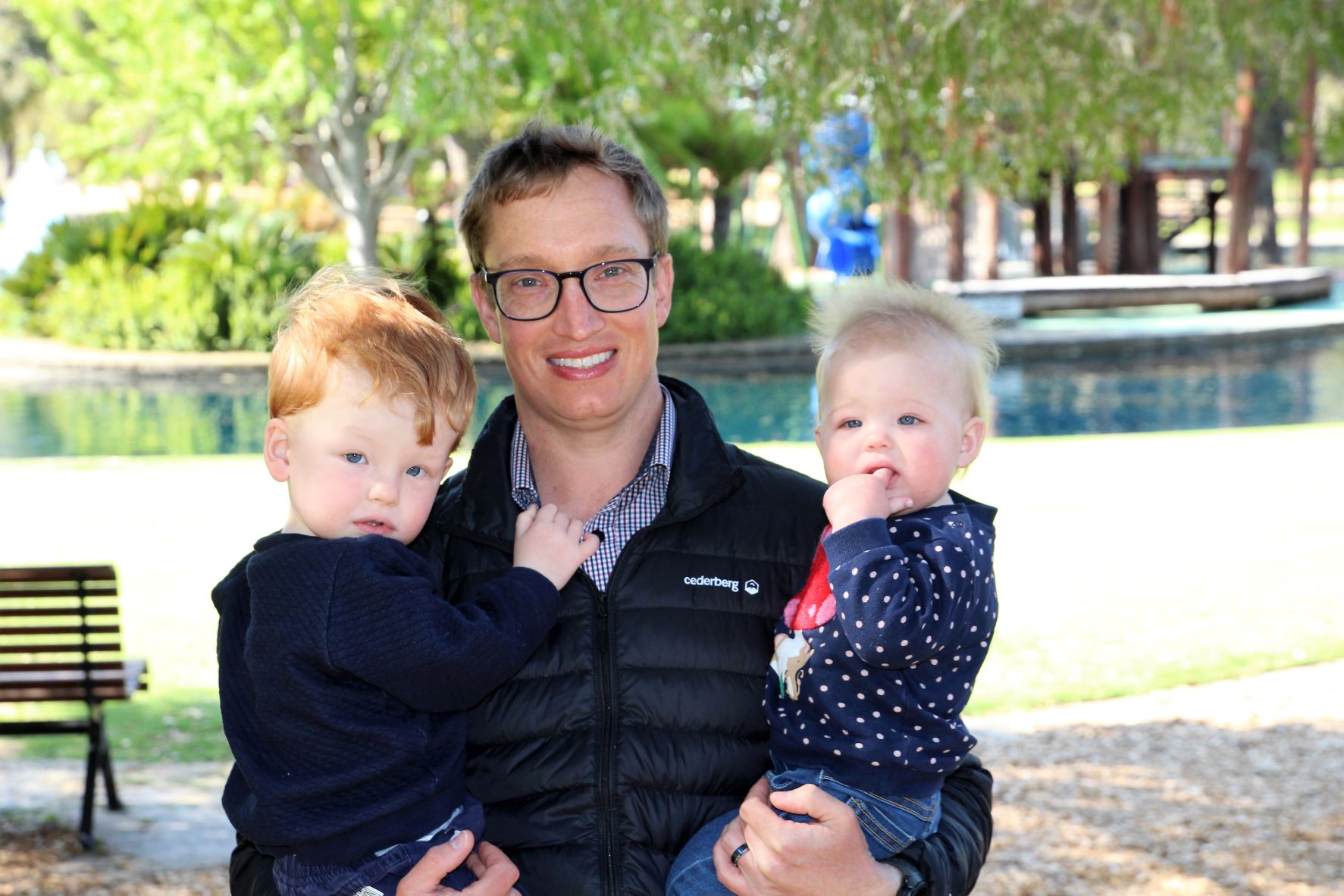
ORIGINS sub-project, Flourishing in Fatherhood, has placed runner up in Ramsay Health Care's research-month competition!
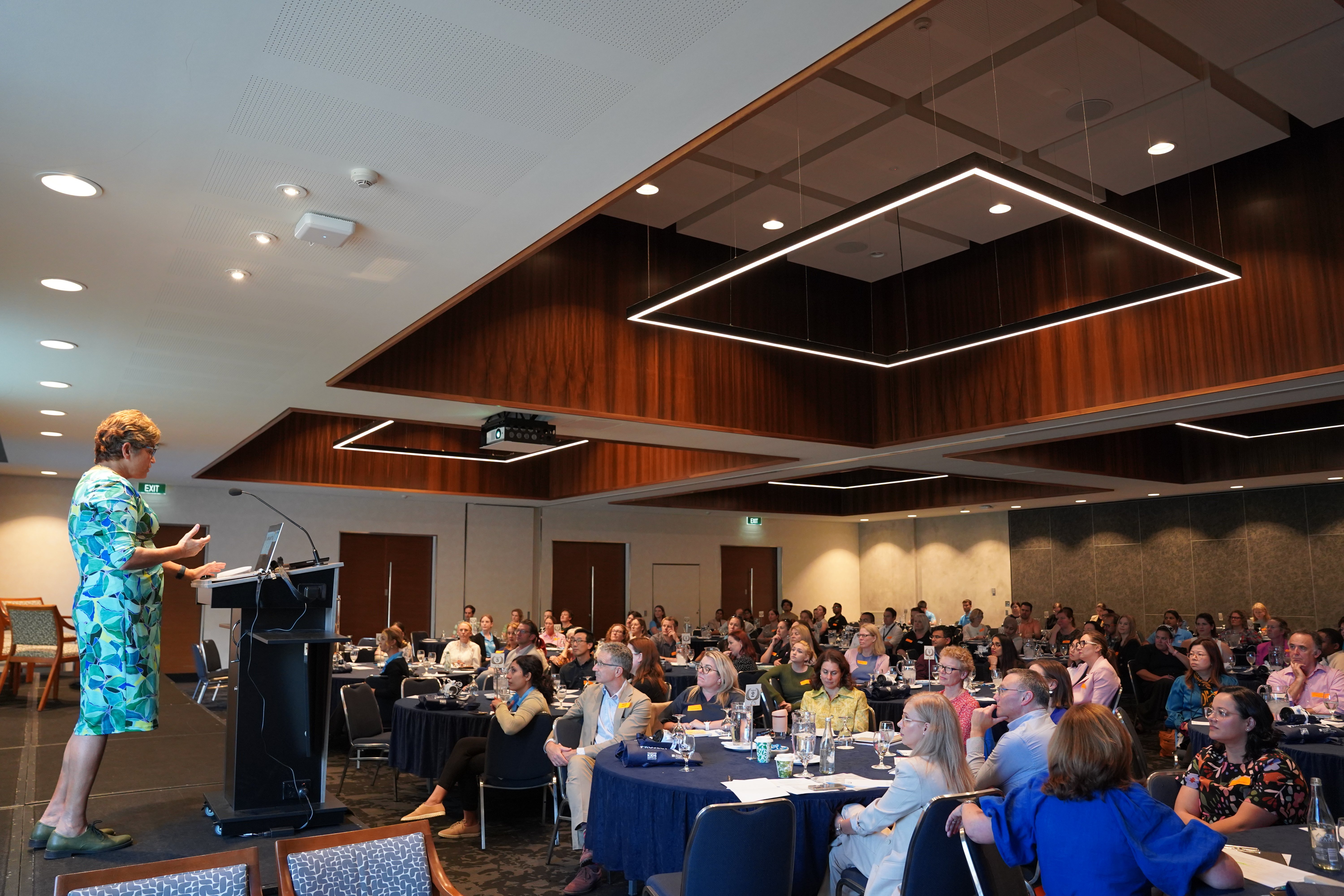
Yesterday, we were delighted to host close to 200 people at The ORIGINS 2024 Showcase, which explored the power of longitudinal cohorts, now and in