
Search
Spatial transcriptomic techniques provide a wealth of information useful in guiding drug development, while three-dimensional (3D) cell cultures have demonstrated power in accelerating drug approvals. However, techniques for robust spatial analysis of 3D cultures are limited. Here, we present a transfection-based method for constructing cellular spheroids through a layer-by-layer approach, in which DNA barcodes encode the spatial positioning of cells.
RNA-sequencing (RNA-seq) efforts in acute lymphoblastic leukaemia have identified numerous prognostically significant genomic alterations which can guide diagnostic risk stratification and treatment choices when detected early.
Current differentiation protocols have not been successful in reproducibly generating fully functional human beta cells in vitro, partly due to incomplete understanding of human pancreas development. Here, we present detailed transcriptomic analysis of the various cell types of the developing human pancreas, including their spatial gene patterns. We integrated single-cell RNA sequencing with spatial transcriptomics at multiple developmental time points and revealed distinct temporal-spatial gene cascades.
Due to an advanced understanding of cancer biology and the rapid development of genomic technologies, cancer has shifted from 200 diseases based on pathology (i.e., what a tumor looks like under the microscope) to thousands of diseases based on molecular tumor profiles (i.e., what a tumor looks like when its altered genome is interrogated). Most cancers arise from alterations to the genome, including changes in the number or structure of chromosomes and variations in a single building block of the genetic code.
Chronic obstructive pulmonary disease (COPD) results from gene-environment interactions over the lifetime. These interactions are captured by epigenetic changes, such as DNA methylation.
Trailblazing Aboriginal doctor and health researcher Professor Alex Brown has been made a Fellow of the Australian Academy of Technological Sciences and Engineering (ATSE) in recognition of his leadership in ensuring Indigenous peoples are at the forefront of genomics efforts nationally and internationally.
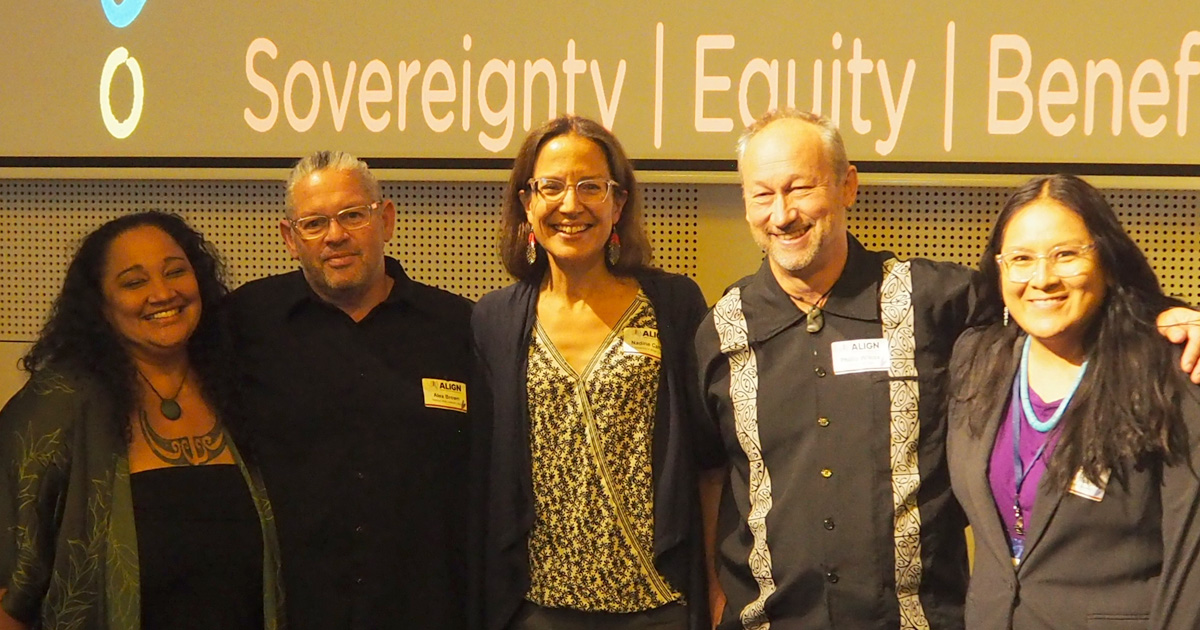
A national alliance of the brightest minds in genomic science, academia, policy makers, industry and Indigenous leaders will work to break down barriers to ensure Aboriginal and Torres Strait Islander people can benefit from advances in genomic medicine if they choose.
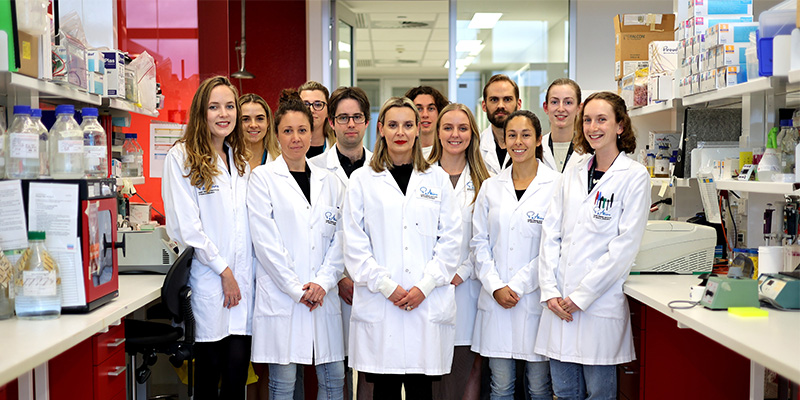
Aleksandra Filipovska has been elected a Fellow of the Australian Academy of Health and Medical Sciences.

Head, Epigenetics

Honorary Research Associate