
Search
Meta-analyses of randomized controlled trials have found that introducing eggs and peanuts earlier during infancy reduced egg and peanut allergy risk. Hence, infant feeding advice has dramatically changed from previous recommendations of avoidance to current recommendations of inclusion of common food allergens in infant diets.
Cow's milk allergy is rare in exclusively breastfed infants. To support the continuation of breastfeeding an infant after diagnosis with a cow's milk allergy, it is critical to examine the evidence for and against any form of cow's milk elimination diet for lactating mothers. In this narrative review, we highlight the lack of high-quality evidence, hence subsequent controversy, regarding whether the minuscule quantities of cow's milk proteins detectable in human milk cause infant cow's milk allergy symptoms.
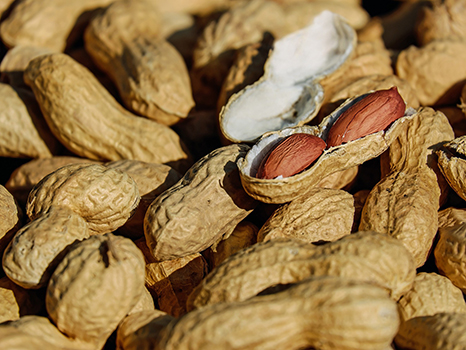
An Australian research team – led by Murdoch Children’s Research Institute and including researchers from The Kids Research Institute Australia, Perth Children’s Hospital and The University of Western Australia – has discovered two peanut allergy treatments for children that are both highly effective at induc
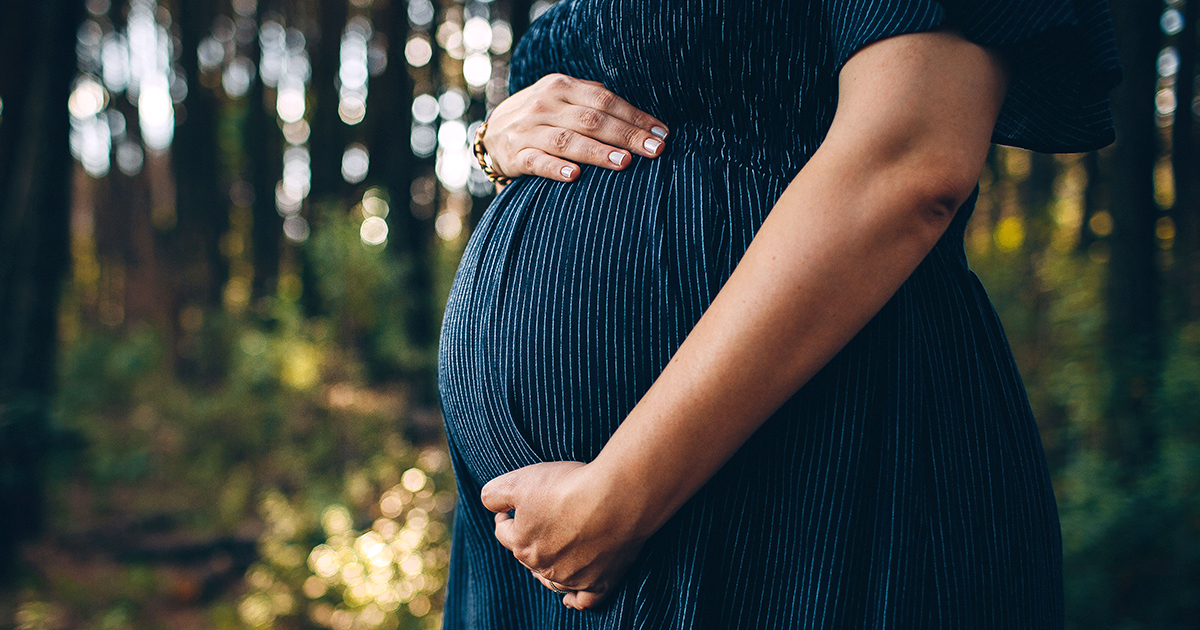
New research from The Kids Research Institute Australia suggests a simple dietary intervention during pregnancy could help protect against the increased risk of food allergies associated with antibiotics taken before birth.
Ensitrelvir, a 3C-like protease inhibitor, received emergency approval in Japan in November 2022 for treating non-hospitalized patients with mild-to-moderate COVID-19. However, confirmation of its real-world clinical effectiveness is limited.
Early infancy is a critical period for immune development. In addition to being the primary food source during early infancy, human milk also provides multiple bioactive components that shape the infant gut microbiome and immune system and provides a constant source of exposure to maternal microbiota. Given the potential interplay between allergic diseases and the human microbiome, this study aimed to characterise the milk microbiome of allergic mothers.
The increasing occurrence of hospital-associated infections, particularly bacteremia, caused by extensively drug-resistant (XDR) carbapenemase-producing colistin-resistant Klebsiella pneumoniae highlights a critical requirement to discover new therapeutic alternatives. Bacteriophages having host-specific bacteriolytic effects are promising alternatives for combating these pathogens.
The twenty-first century has seen a fundamental shift in disease epidemiology with anthropogenic environmental change emerging as the likely dominant factor affecting the distribution and severity of current and future human disease. This is especially true of allergic diseases and asthma with their intimate relationship with the natural environment.
Human milk is rich in immuno-modulatory factors that have the potential to shape immune development and influence allergy risk in children. In this article, we describe how breast milk may contribute to making the infant less prone to developing allergies.
Ingestion of prebiotics during pregnancy and lactation may have immunomodulatory benefits for the developing fetal and infant immune system and provide a potential dietary strategy to reduce the risk of allergic diseases. We sought to determine whether maternal supplementation with dietary prebiotics reduces the risk of allergic outcomes in infants with hereditary risk.