
Search
Respiratory infection and wheezing illness are leading causes of hospitalisation in childhood, placing a significant burden on families and healthcare systems. However, reliably distinguishing children at risk of developing persistent disease from those likely to outgrow their symptoms remains a clinical challenge. Earlier identification would allow clinicians to focus care and resources on those most likely to benefit from long-term management, while reducing anxiety and uncertainty about the future for families.
Acute rheumatic fever is a preventable condition that can lead to chronic illness and early death. Standard prevention with 4-weekly intramuscular (IM) benzathine penicillin G (BPG) injections for ≥10 years may be associated with poor adherence. High-dose 10-weekly subcutaneous penicillin injections (SCIP) may improve adherence by reducing injection frequency.
Culturally safe healthcare approaches are important to improve outcomes of Indigenous people. Non-Indigenous clinicians are often ill-prepared to provide such healthcare. The NHMRC Centre for Research Excellence (CRE) especially for First Nations Children has been studying for several years how to improve clinical care for Indigenous children with respiratory disease in hospital, clinic, urban, rural and remote settings.
Cohort studies investigating respiratory disease pathogenesis aim to pair mechanistic investigations with longitudinal virus detection but are limited by the burden of methods tracking illness over time. In this study, we explored the utility of a purpose-built AERIAL TempTracker smartphone app to assess real-time data collection and adherence monitoring and overall burden to participants, while identifying symptomatic respiratory illnesses in two birth cohort studies.
This review summarises the current evidence for the perioperative preparation in children with upper respiratory tract infections (URTI), including COVID-19 infection. URTI, including COVID-19 infection, are common and frequent in children who present for elective surgery. Children with URTI are at increased risk of perioperative respiratory adverse events.
Respiratory viruses significantly impact global morbidity and mortality, causing more disease in humans than any other infectious agent. Beyond pathogens, various viruses and bacteria colonize the respiratory tract without causing disease, potentially influencing respiratory diseases’ pathogenesis.
At present, limited literature exists exploring patient preferences for prophylactic treatment of acute rheumatic fever and rheumatic heart disease. Given low treatment completion rates to this treatment in Australia, where the burden of disease predominantly affects Aboriginal and Torres Strait Islander people, an improved understanding of factors driving patient preference is required to improve outcomes.

Two researchers focused on improving outcomes for children with chronic lung disease and averting suicide contagion and suicide clusters in young people have won prestigious Investigator Grants from the National Health and Medical Research Council.
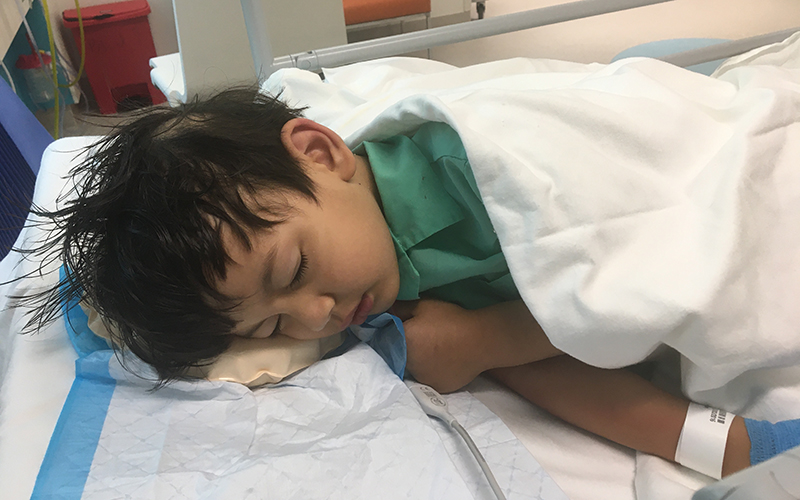
Charlie, 6, has ended up in hospital twice with invasive Strep A infection over his short lifetime – the first time when just three years old.

The urgency for a world-first respiratory syncytial virus vaccine is at an all-time high.