
Search
Instability of peripheral oxyhemoglobin saturation (SpO2) in preterm infants is correlated with late disability and is poorly understood. We hypothesised that a reduced ventilation to perfusion ratio (VA/Q) is the key predisposing factor for SpO2 instability.
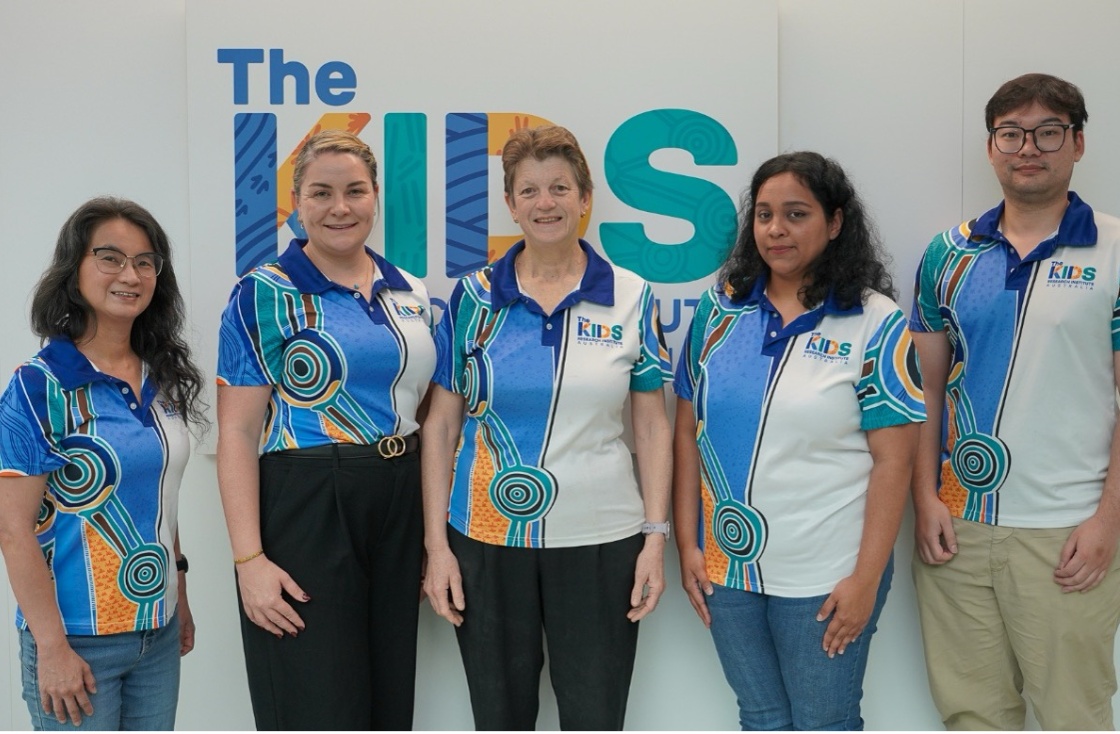
Meet the team behind the CIRCA DIEM study.
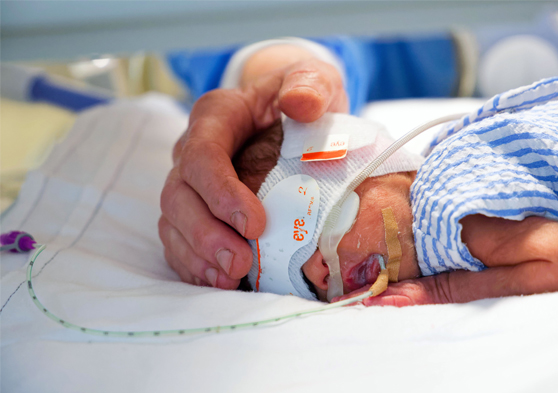
The CIRCA DIEM Trial Steering Committee provides independent oversight and strategic guidance for the study.
A sub-study is an ‘add-on’ study that helps to answer specific questions within a larger research project. If you decide to participate in the CIRCA DIEM study, you or your child may be invited to take part in one of the CIRCA DIEM sub-studies.
The CIRCA DIEM study aims to establish if cycling environmental light and noise levels for premature infants during their initial hospital stay leads to earlier development of circadian (daily) rhythms and better outcomes for the preterm babies, including improved brain development.

Head, Developmental Chronobiology
Graham Jane Shannon Hall Pillow Simpson BAppSci PhD CRFS FANZSRS FThorSoc FERS BMedSci (Dist) MBBS, PhD (Dist) FRACP BMedSci (hons), PhD Honorary
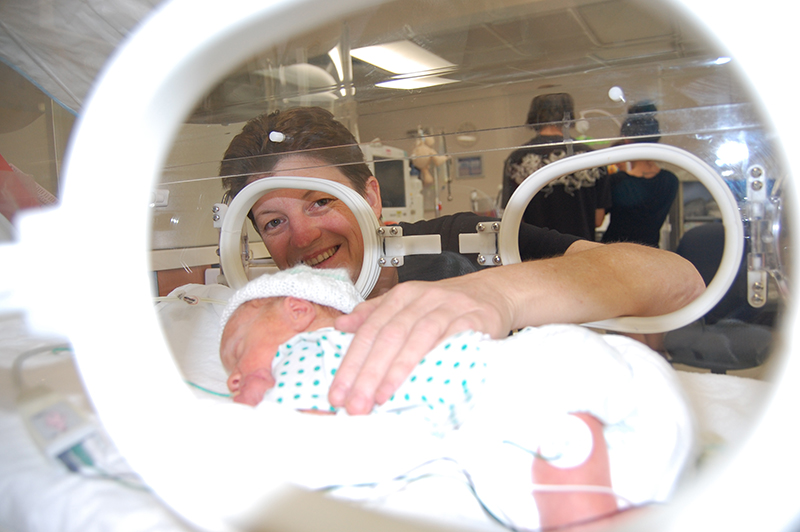
The Chronobiology team works to understand the factors that contribute to poor lung and heart function in newborn infants and find ways to prevent heart and lung disease.
Surfactant replacement therapy by nebulization to spontaneously breathing patients has been regarded as the Holy Grail since surfactant deficiency was first identified as the cause for neonatal respiratory distress syndrome. It avoids neonatal endotracheal intubation, a procedure that is often difficult and occasionally harmful.