
Search
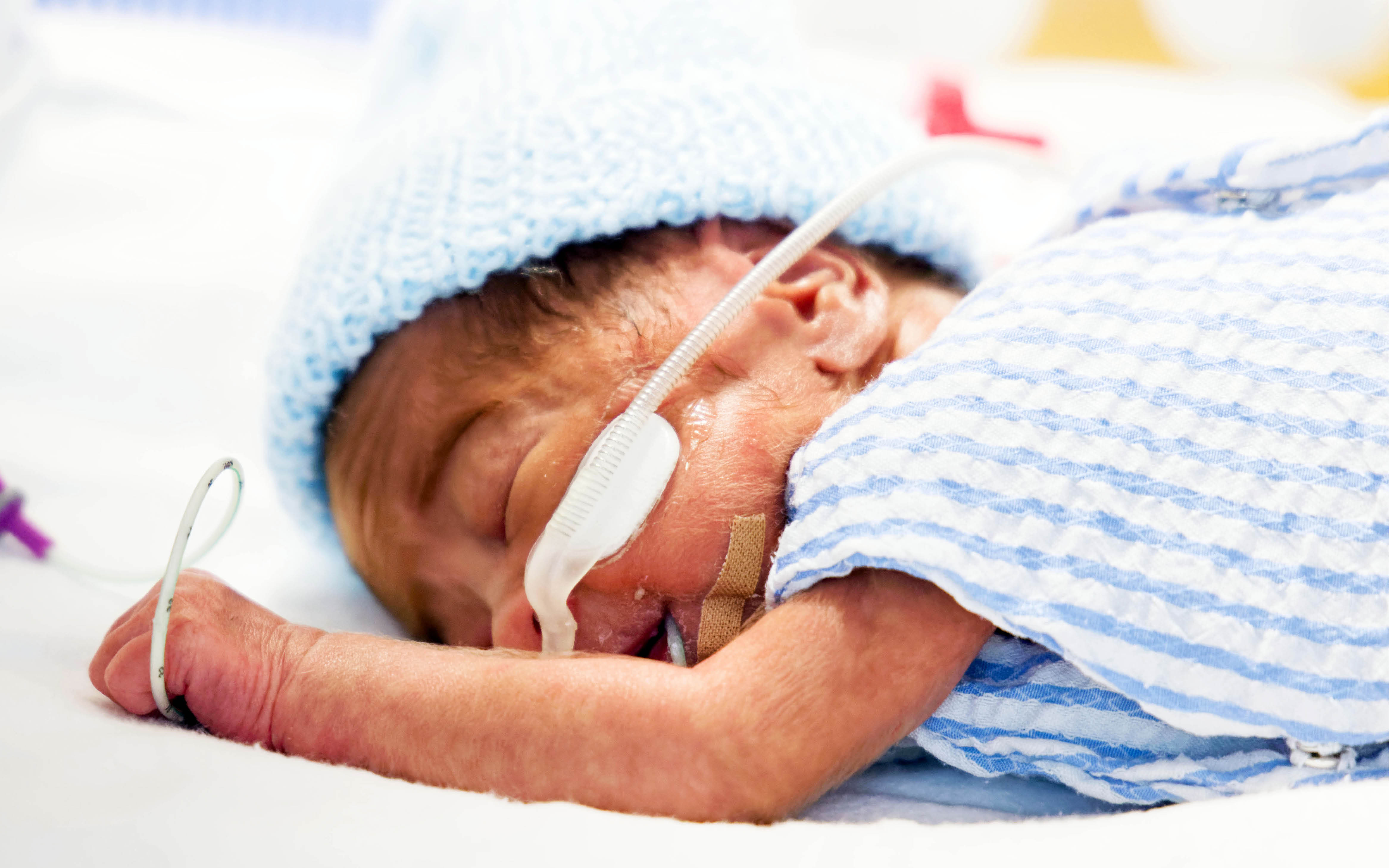
Preterm babies have a heightened risk of infection as their immune system is not mature. The Neonatal Health Team is exploring new ways to diagnose, prevent and treat infections in WA's smallest patients .
Skin care for very and extremely preterm infant is an important and previously underappreciated topic. Coconut oil skin care for preterm infants is a promising option, but several important questions remain including the theoretical potential for allergic sensitization.
The physicochemical compatibility of alprostadil injection with secondary intravenous (IV) drugs and 2-in-1 parenteral nutrition (PN) solutions used in Neonatal Intensive Care Unit settings was investigated.
The abundant skin commensal, Staphylococcus epidermidis, is the leading cause of late-onset sepsis (LOS) in preterm infants but rarely causes infections in term infants and adults. Staphylococcal virulence mechanisms and the role of the preterm immune responses in driving these life-threatening infections remain poorly understood.
Infants born before 28 weeks' gestation account for approximately 75% of neonatal morbidity and mortality. Late-onset sepsis (LOS) affects around 25% of these infants and is associated with an increased risk of adverse long-term outcomes. The topical application of coconut oil has been used for centuries in newborn care. Coconut oil is rich in saturated fatty acids, several of which have demonstrated antimicrobial properties. It is considered safe for extremely preterm infants, improves skin condition and may reduce the incidence of LOS.
Preterm infants are commonly treated with antibiotics on admission to the neonatal unit as part of routine care. We aimed to identify infants <32 weeks' gestation at low risk of early-onset sepsis (EOS) in whom antibiotics could be safely withheld.
The structure and function of infant skin is not fully developed until 34 weeks of gestation, and this immaturity is associated with risk of late-onset sepsis (LOS). Topical coconut oil improves preterm-infant skin integrity and may reduce LOS. However, data on early-life skin-microbiome succession and potential effects of emollient skin care in preterm infants are scarce.
Tick-borne diseases are a growing global health concern. Despite extensive studies, ill-defined tick-associated pathologies remain with unknown aetiologies. Human immunological responses after tick bite, and inter-individual variations of immune-response phenotypes, are not well characterised.
Appropriate use of antibiotics is life-saving in neonatal early-onset sepsis (EOS), but overuse of antibiotics is associated with antimicrobial resistance and long-term adverse outcomes.
Retinopathy of prematurity (ROP) is a biphasic vaso-proliferative disease that has the potential to cause blindness. In addition to prematurity and hyperoxia, perinatal infection and inflammation have been reported to play a critical role in the pathogenesis of ROP. The aim of this study was to assess the association between placental inflammation and the severity of ROP.