
Search
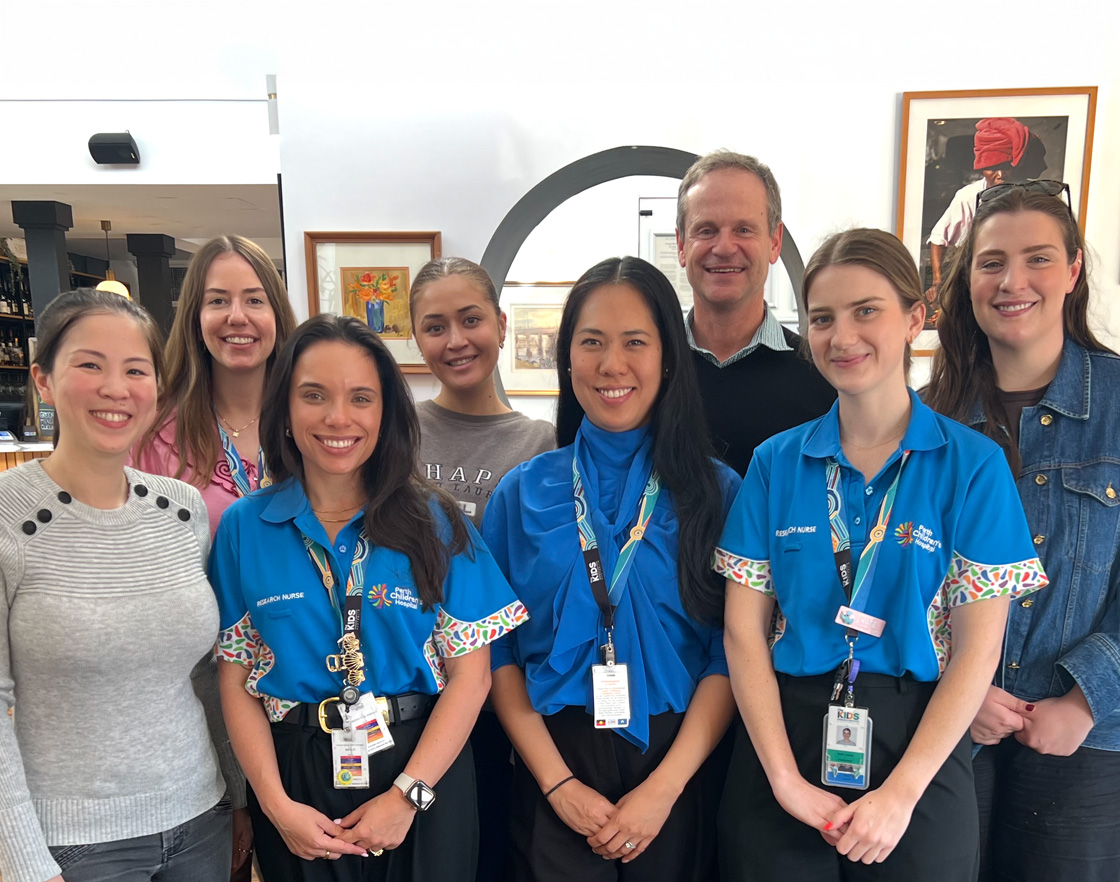
Our team aims to optimise lung health early in life to ensure the best possible health outcomes later in life.
Culturally safe healthcare approaches are important to improve outcomes of Indigenous people. Non-Indigenous clinicians are often ill-prepared to provide such healthcare. The NHMRC Centre for Research Excellence (CRE) especially for First Nations Children has been studying for several years how to improve clinical care for Indigenous children with respiratory disease in hospital, clinic, urban, rural and remote settings.
Climate change is increasing the frequency and severity of non-optimal temperatures and heatwaves, posing risks to public health, especially for children and young people. We performed a systematic review and meta-analysis to assess the impacts of (i) non-optimal ambient temperatures and (ii) heatwaves on mental health outcomes in this group globally.
The airway epithelium is the primary structural and functional airway barrier and orchestrates innate immunity. Some children may have underlying epithelial vulnerabilities that contribute to the pathogenesis of acute wheeze and asthma.
Children are disproportionately affected by the negative health effects of climate change. We did a systematic review to synthesise the available evidence on tested interventions to improve child health in response to the impacts of climate change.
Cystic fibrosis (CF) is a rare, inherited, life-limiting condition predominantly affecting the lungs, for which there is no cure. The disease is characterized by recurrent pulmonary exacerbations (PEx), which are thought to drive progressive lung damage. Management of these episodes is complex and generally involves multiple interventions targeting different aspects of disease. The emergence of innovative trials and use of Bayesian statistical methods has created renewed opportunities for studying heterogeneous populations in rare diseases.
This position statement, updated from the 2015 guidelines for managing Australian and New Zealand children/adolescents and adults with chronic suppurative lung disease (CSLD) and bronchiectasis, resulted from systematic literature searches by a multi-disciplinary team that included consumers.
Described antimicrobial resistance mechanisms enable bacteria to avoid the direct effects of antibiotics and can be monitored by in vitro susceptibility testing and genetic methods. Here we describe a mechanism of sulfamethoxazole resistance that requires a host metabolite for activity.
Survival statistics, estimated using data from national cystic fibrosis (CF) registries, inform the CF community and monitor disease progression. This study aimed to estimate survival among people with CF in Australia and to identify factors associated with survival.
Bronchiectasis is a worldwide chronic lung disorder where exacerbations are common. It affects people of all ages, but especially Indigenous populations in high-income nations. Despite being a major contributor to chronic lung disease, there are no licensed therapies for bronchiectasis and there remain relatively few randomised controlled trials (RCTs) conducted in children and adults.