
Search
Septo-optic dysplasia (SOD) is a congenital disorder affecting 1 in 10,000 births, defined by the presence of at least two of a clinical triad, consisting of optic nerve hypoplasia, midline brain defects and pituitary hormone deficiency. Children with SOD may have vision impairment, hormonal deficiencies, developmental disorders, or epilepsy, but the clinical picture is highly variable. The complexity of SOD, its interplay with family factors, and the need for multiple specialty commitments can make the diagnosis period a challenging time for families.
To investigate the feasibility of implementing recommendations of the consensus statement for the Prevention and Management of Respiratory Disease in children with severe cerebral palsy (CP) via RESPiratory hospital Admissions in children with cerebral palsy: a feasibility randomized Controlled Trial (RESP-ACT).
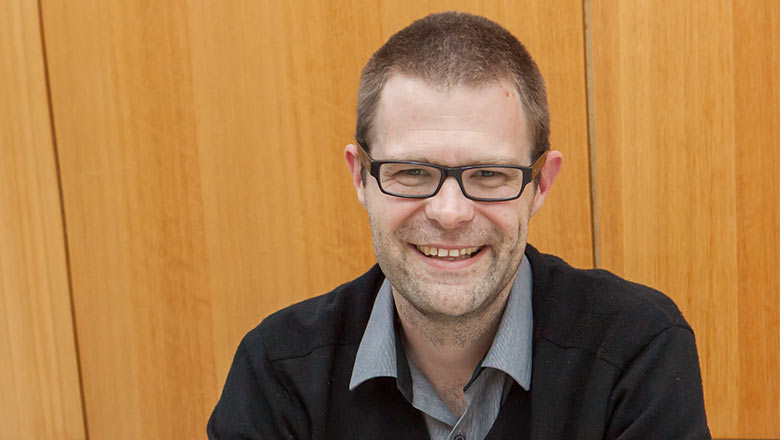
Researchers have shown that the so called 'autism epidemic' is due to an increase in the diagnosis of children with less severe behavioural symptoms.
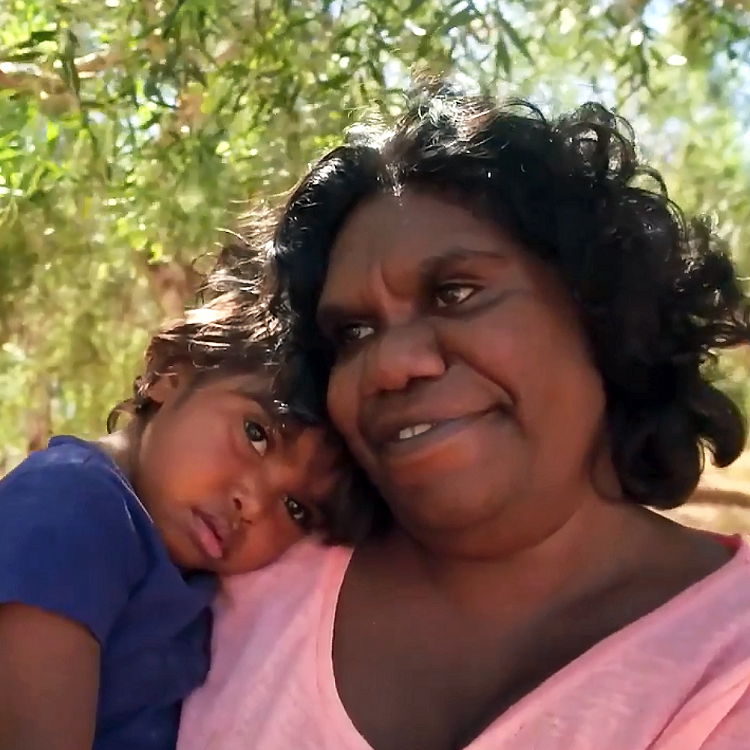
To mark International FASD Awareness Day, The Kids will launch a series of health promotion videos that feature local Aboriginal community members.
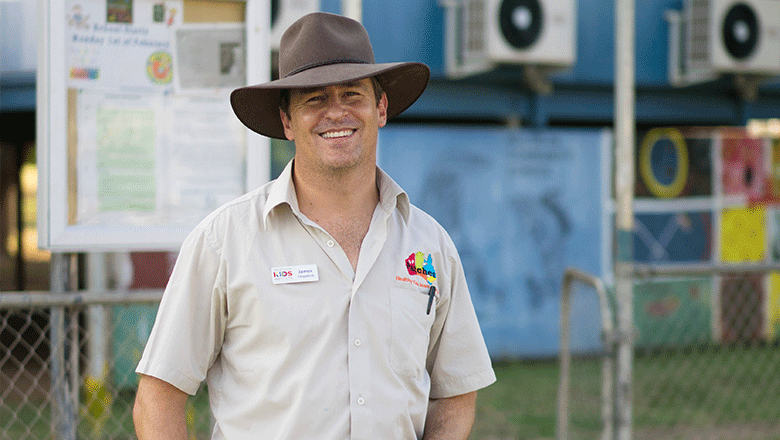
A The Kids Research Institute Australia researcher has been awarded $10,000 in State Government research support funding.
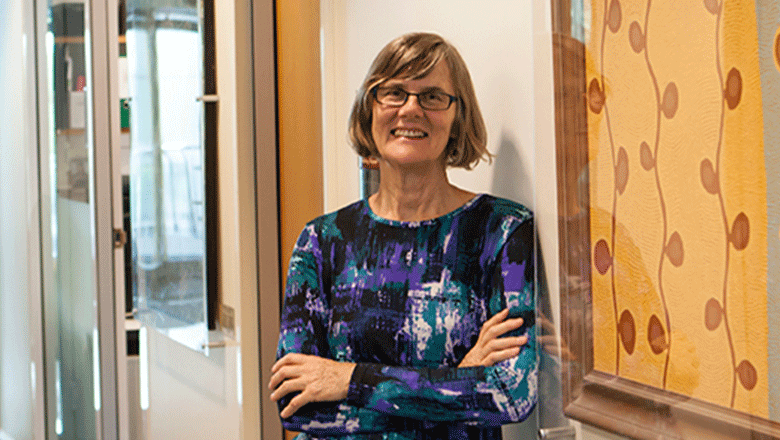
The Kids Research Institute Australia's Professor Carol Bower is not surprised by new research that shows alcohol use in pregnancy is 'common'.

Young Minds Matter is the second Australian Child and Adolescent Survey of Mental Health and Wellbeing.
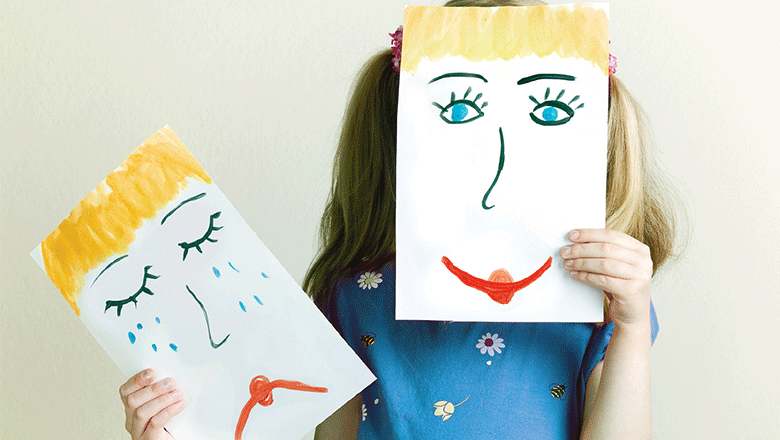
Researchers at The Kids Research Institute Australia hope data obtained from the 2nd Australian wide survey of child and adolescent mental health will help government
The Kids Research Institute Australia researchers have confirmed that skin infections in many Aboriginal children across northern Western Australia are going unrecognised.
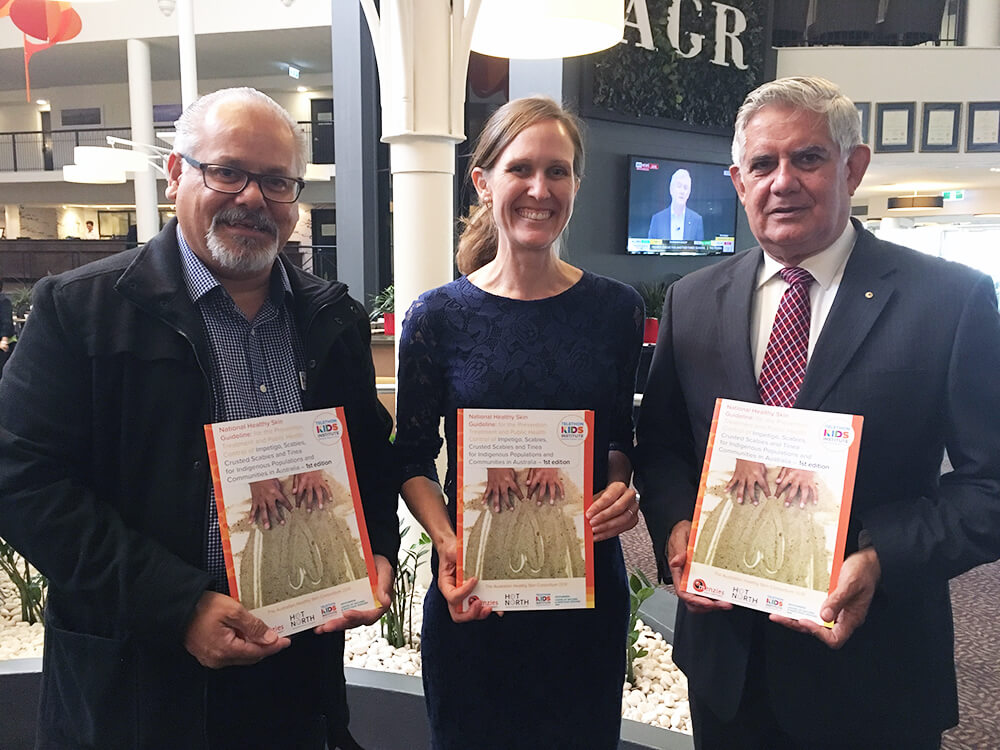
Researchers have developed the first National Healthy Skin Guideline to address record rates of skin infections in Australia’s Indigenous communities.