
Search
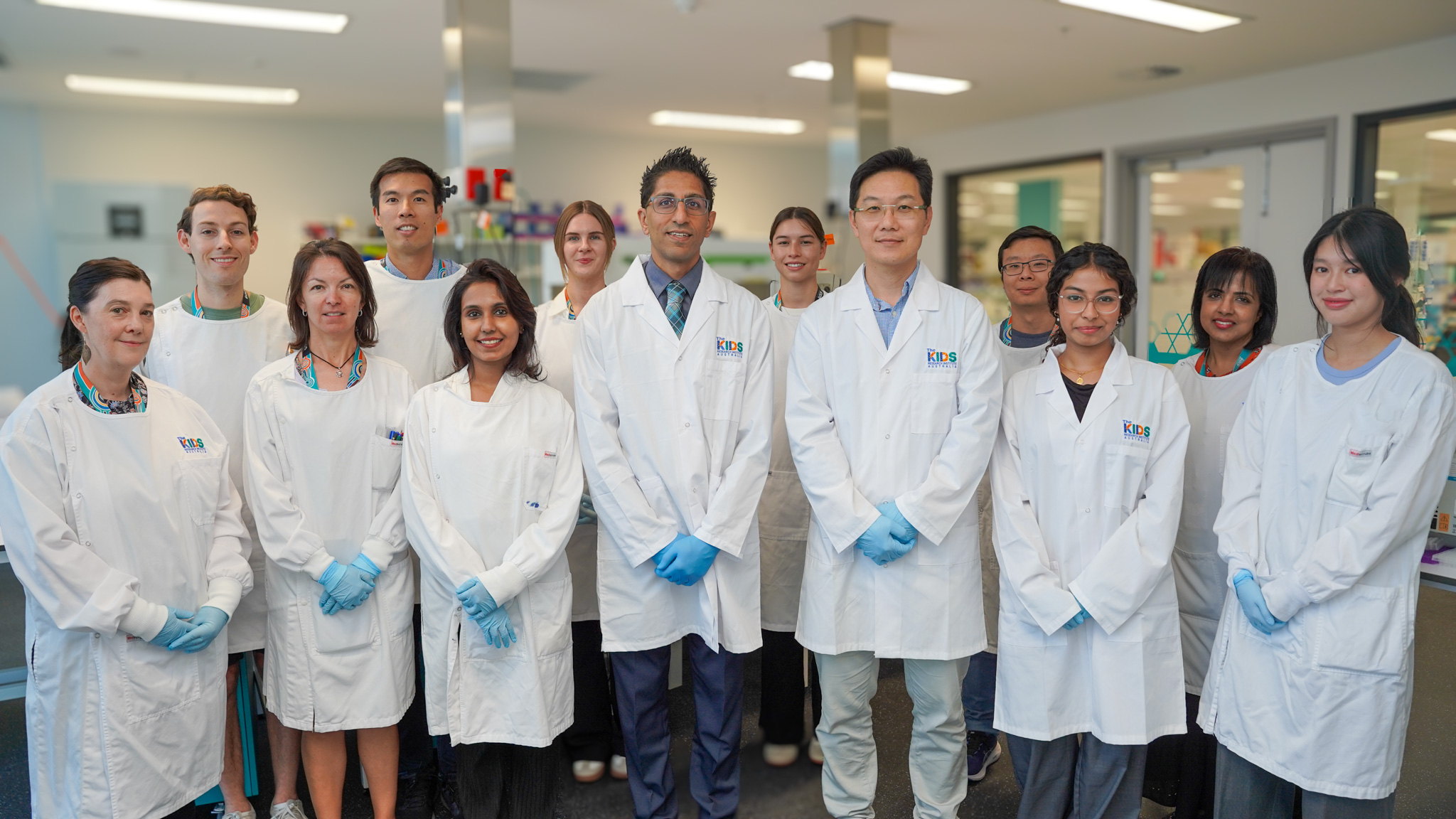
The main aim of our Leukaemia Translational Research Team is to test innovative therapeutic approaches, with a focus on clinical translation of this knowledge, to improve the outcomes of children suffering from leukaemia.
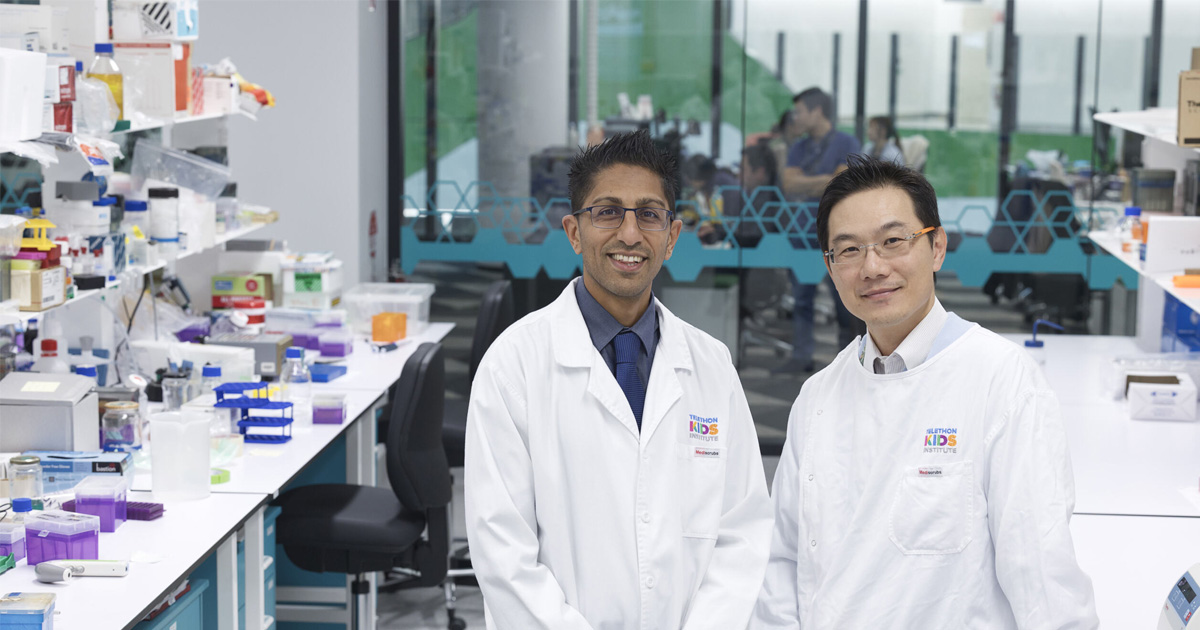
A groundbreaking study from cancer researchers at The Kids Research Institute Australia has identified a promising new therapeutic strategy for children battling the most common childhood cancer – B-cell acute lymphoblastic leukaemia.
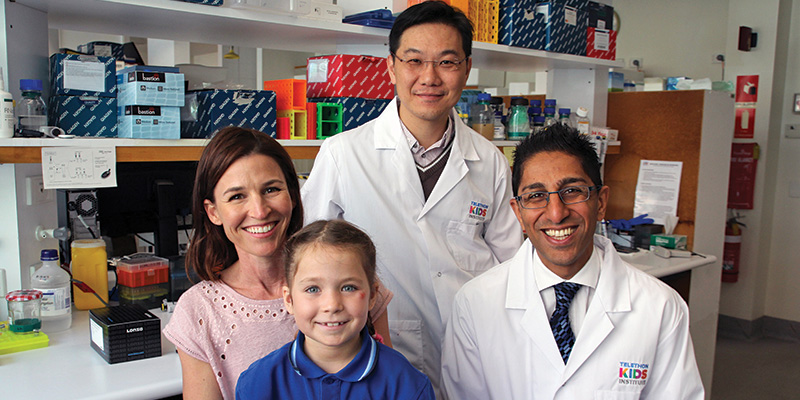
When three-year-old Flo Parker injured her hip on a camping trip five years ago, her parents thought it would be nothing more than a common childhood injury.

Congratulations to three The Kids Research Institute Australia researchers, who have been awarded funding from the Raine Medical Research Foundation.
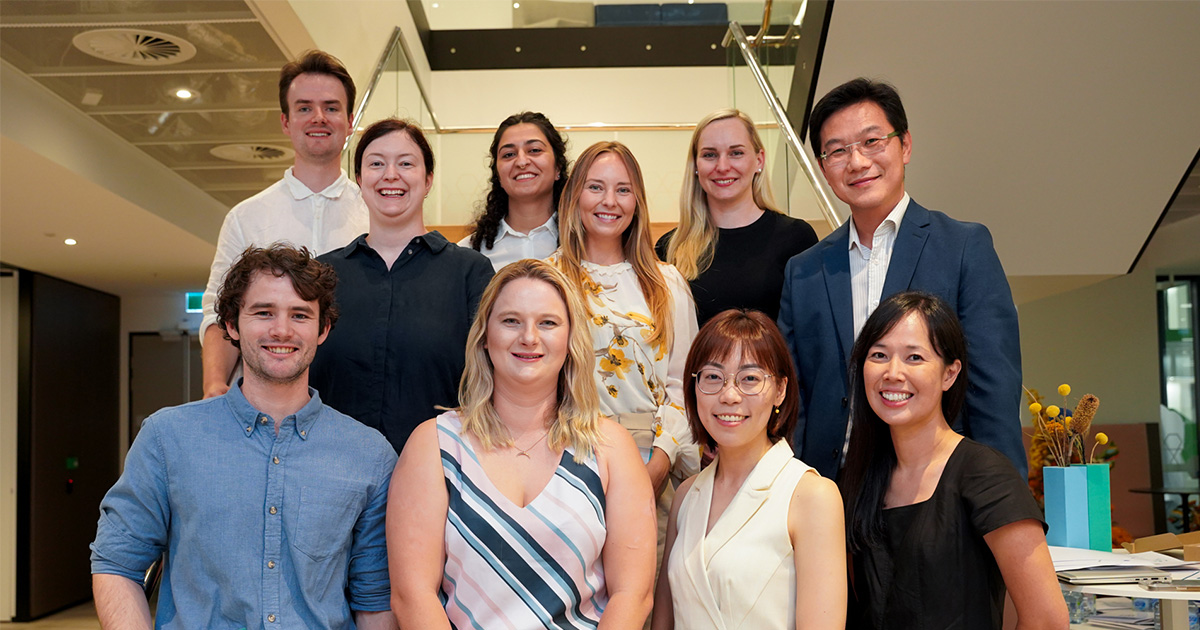
For the third year running, ten emerging researchers took to the stage to pitch their innovative research projects at our annual Illuminate PitchFest event, inspiring a room full of donors of their vision and commitment to drive improved health outcomes for kids.
Mental disorders should be a leading intervention point for suicide prevention both in the primary health sector and in the mental health sector specifically
CAGEd-oPOSSUM can identify transcription factors that act as key regulators of genes involved in specific mammalian cell and tissue types
The infant simulator-based Virtual Infant Parenting programme did not achieve its aim of reducing teenage pregnancy
This multi-site international study provides further support for the potential for dog walking to increase levels of daily physical activity
Immune responses after the initial vaccination persisted for the 12 months studied, with little additional response after the booster dose at 6 months