Skip to content
The Kids Research Institute Australia logo
Donate

No results yet

Search

Research

Melanoma

Melanoma, also known as malignant melanoma, occurs when abnormal skin cells multiply rapidly in an uncontrolled way.

Research

Brain Tumour

Brain tumours are the second most common cancer in children (after leukaemia).

Research

Follow-up and Outcomes of Infants Perinatally-exposed to HIV in a Low-prevalence Setting: The Multicenter Children's HIV Exposure Study 2

To investigate the follow-up and outcomes of HIV-exposed infants in a setting of low HIV prevalence.  This was a multicenter, retrospective study of live-born infants of women known to be living with HIV, at 9 tertiary pediatric centers in Australia and New Zealand from 2009-2025. Antenatal, perinatal, and postnatal data, and outcomes at clinic visits to 18 months of age were collected, including co-morbidities, development, and HIV results.

Research

“The Wrong Supports Are Worse than no Support”: Autistic Perspectives on Early-in-Life Infant Autism Supports

Evidence suggests that the earlier supports are provided to young Autistic children, the better the overall outcomes. Supports have typically only been available after an autism diagnosis but with increased knowledge about early developmental trajectories, clinical supports can now be offered prediagnosis for infants showing early autism features and/or those with a family history of autism. 

Research

Rethinking a hybrid malaria chemoprevention delivery strategy for children in sub-perennial settings: a modelling study integrating age- and seasonally-targeted delivery

The World Health Organization recommends perennial malaria chemoprevention (PMC), generally using sulfadoxine-pyrimethamine (SP) to children at high risk of severe Plasmodium falciparum malaria. Currently, PMC is given up to age two in perennial transmission settings. However, no recommendation exists for perennial settings with seasonal variation in transmission intensity, recently categorized as 'sub-perennial'.

Research

Value profile for Malaria vaccines and monoclonal antibodies1

Malaria remains a leading cause of morbidity and mortality and is responsible for over 0.5 million annual deaths globally. During the first two decades of this century, scale-up of a range of tools was associated with significant reductions in malaria mortality in the primary risk group, young African children.

Research

Aspiring athletes managing sport, education, social, and family life: A scoping review

This scoping review considers the experiences of aspiring high school-aged athletes as they navigate the complexities of managing sport, education, social, and family life. The review synthesises existing literature on the decisions, barriers, facilitators, and support systems that influence aspiring athletes' pathways.

Research

Approaches that support Indigenous children and families in the transition to school: A systematic review

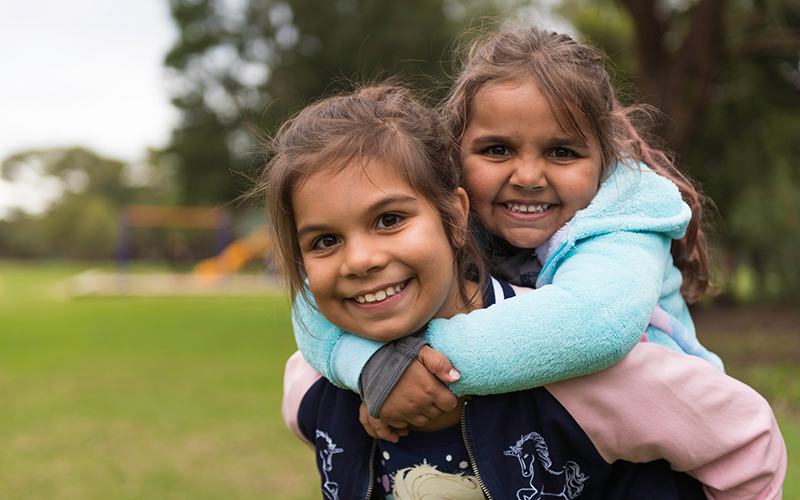
The early years are critical for lifelong wellbeing, with transition to formal school a key period for development. For Indigenous children, this transition provides opportunities to build on cultural strengths and belonging. However, many children face systemic barriers that impact their transition experiences, highlighting a need for culturally safe programs that support Indigenous families during this significant time.

Research

A general factor for trust?: Testing latent factor structures of trust across institutional and interpersonal contexts

The literature is replete with multi-dimensional self-report assessments of trust. It is not clear whether these dimensions are statistically distinguishable across institutional and interpersonal contexts, respectively.

Research

A Scoping Review of Methodologies Exploring Diet and Health Outcomes in Lactating Women: What Has Been Done and Where to Next?

Developing dietary guidelines for lactating women presents significant challenges, due to limited evidence being available on their specific nutrient needs and the biological impacts of various dietary dimensions. Current dietary recommendations often rely on data from nonlactating women, leading to potential inaccuracies.