
Search
Delayed cord clamping (DCC) is an evidence-based intervention that reduces mortality, anaemia and disability in infants born <37 weeks' gestation who do not require immediate resuscitation. However, it is neither reliably recorded nor routinely implemented in Australia. The Wait a Minute or More study aims to reduce this gap between the evidence and practice by integrating timely sharing of cord clamping data with Evidence-based Practice for Improving Quality methods to increase the proportion of preterm infants receiving DCC for 60s or longer (DCC60).
Chemotherapy often kills a large fraction of cancer cells but leaves behind a small population of drug-tolerant persister cells. These persister cells survive drug treatments through reversible, non-genetic mechanisms and cause tumour recurrence upon cessation of therapy. Here, we report a drug tolerance mechanism regulated by the germ-cell-specific H3K4 methyltransferase PRDM9.
Despite evidence documenting high prevalence of type 2 diabetes among several Indigenous populations, a comprehensive systematic review of type 2 diabetes among global Indigenous Peoples has not been recently conducted. Our aim was to report region-, time-, age- and sex-specific type 2 diabetes prevalence among Indigenous adult populations globally.
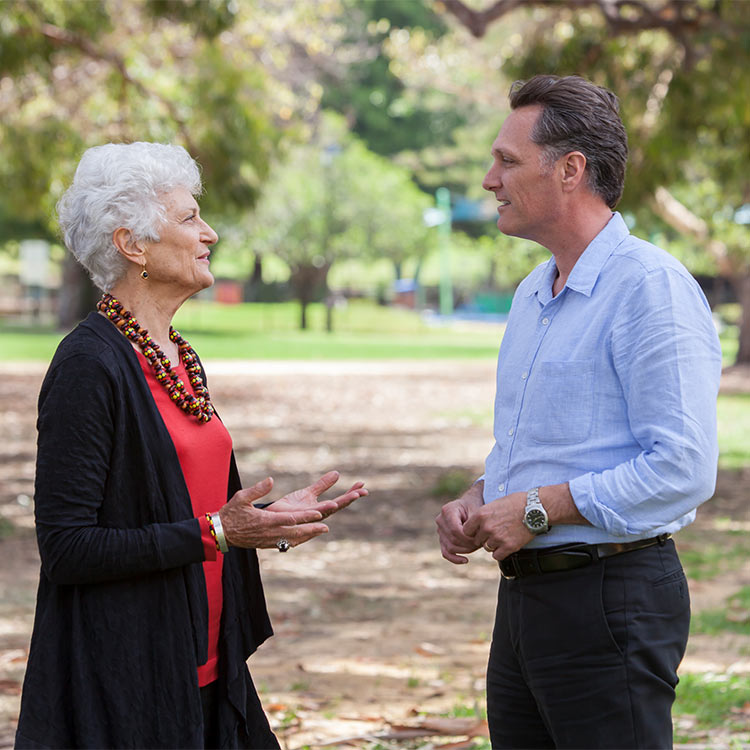
A letter to the WA public from Jonathan Carapetis and Fiona Stanley.

A number of organisations have created COVID-19 resources specifically developed for Aboriginal and Torres Strait Islander people.
Engaging the community in COVID-19 rapid research
The aim of RESP-ACT is to reduce these children’s respiratory hospital admissions and visits to Emergency Department, and to help them and their families to have as the best possible quality of life.
The research that is reducing the impact on families done by The Kids Research Institute Australia.

Ask our experts a question about the COVID-19 pandemic.

View the full catalogue of The Kids Research Institute Australia COVID-19 video resources.