
Search
Associate Professor Lesterhuis said the gel, developed with the help of chemists at The University of Western Australia, could revolutionise the way solid tumours were treated.
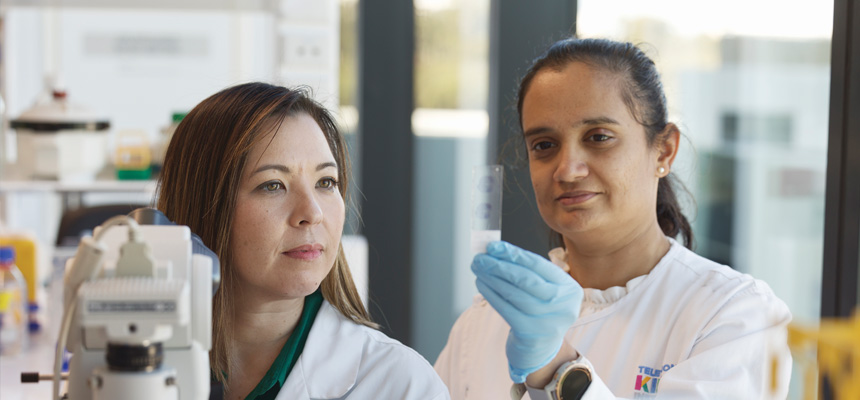
The WA Kids Cancer Centre has a suite of world-leading research projects to unlock new treatments for childhood cancers.
Western Australia experiences multiple climatic zones, influencing the epidemiology of respiratory viruses. We aimed to estimate the true incidence of respiratory syncytial virus and influenza hospitalizations across these different climatic regions using predictive modelling.
Congenital cytomegalovirus (cCMV) is an important cause of long-term childhood disability. In Australia, the identification and treatment practices and the long-term clinical and neurodevelopmental outcomes of children with cCMV are unknown.
Caregiver-mediated supports in general have shown mixed evidence for enhancing language outcomes in infants at higher likelihood of autism. While caregivers play a substantial role in caregiver-mediated supports, little is known about whether caregivers' own subclinical autistic features - known as broader autism phenotype - may moderate infant language outcomes.
Septo-optic dysplasia (SOD) is a congenital disorder affecting 1 in 10,000 births, defined by the presence of at least two of a clinical triad, consisting of optic nerve hypoplasia, midline brain defects and pituitary hormone deficiency. Children with SOD may have vision impairment, hormonal deficiencies, developmental disorders, or epilepsy, but the clinical picture is highly variable. The complexity of SOD, its interplay with family factors, and the need for multiple specialty commitments can make the diagnosis period a challenging time for families.
The aim of this study was to test the hypothesis that exercise in cool water results in a greater decrease in blood glucose concentration than in thermoneutral water or on land in individuals with type 1 diabetes.
Family Day Care (FDC) is an essential service supporting Australian families requiring convenient, versatile, and quality education and care for their children. FDC educators’ mental wellbeing (MWB), often overlooked, is vital to ensure optimal education and care. This study aimed to gauge Australian FDC educators’ MWB and identify factors positively or negatively affecting MWB.
Aboriginal and Torres Strait Islander (hereafter respectfully named Indigenous) Australians are diagnosed with some cancers substantially more frequently than non-Indigenous Australians implying a different risk factor landscape. Additionally, poorer outcomes for certain cancers are exacerbated by lower cancer screening rates and later diagnoses compared to non-Indigenous Australians.
Droughts have profound and far-reaching impacts on human health and well-being, but their influence on sexual violence among adolescent girls in low- and middle-income countries (LMICs) is underexamined.This study examines the association between drought and sexual violence against adolescent girls and young women globally, using cross-sectional, nationally representative data from the Violence Against Children and Youth Surveys (VACS) from 2013 and 2019.