
Search
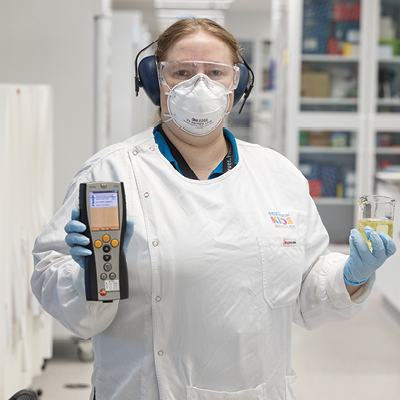
In a world being urged to embrace renewable options, biodiesel fuels are increasingly being touted as a greener, cleaner choice than traditional diesel.
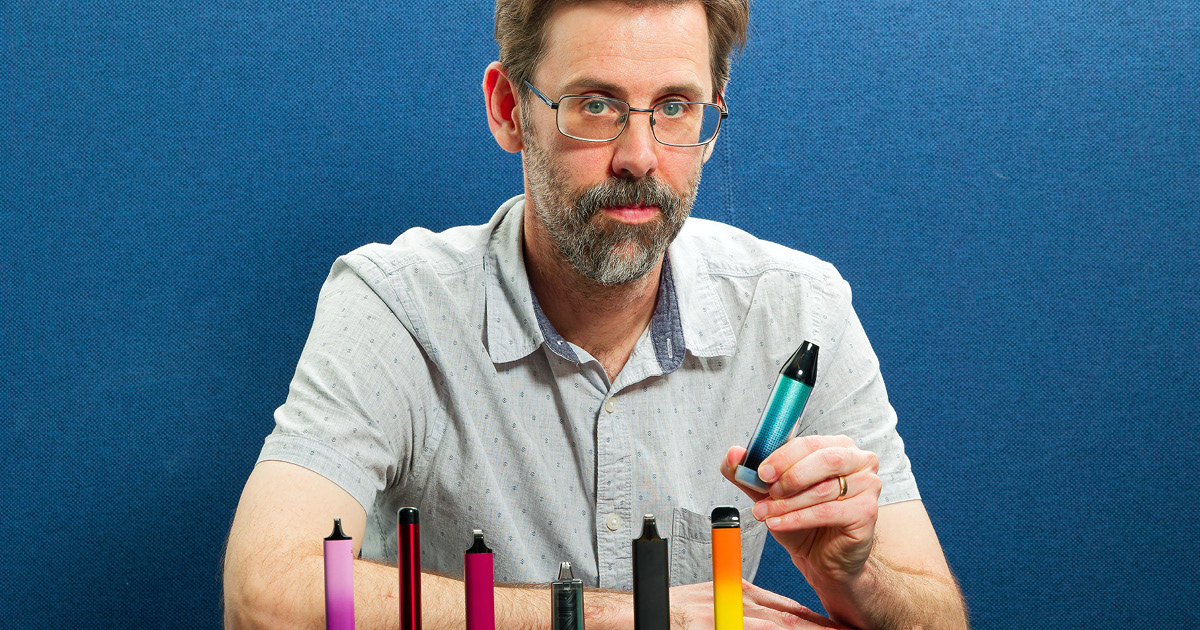
Formative research undertaken by The Kids Research Institute Australia has helped inform tough new laws introduced by the Federal Government to reduce the harm caused by vapes.
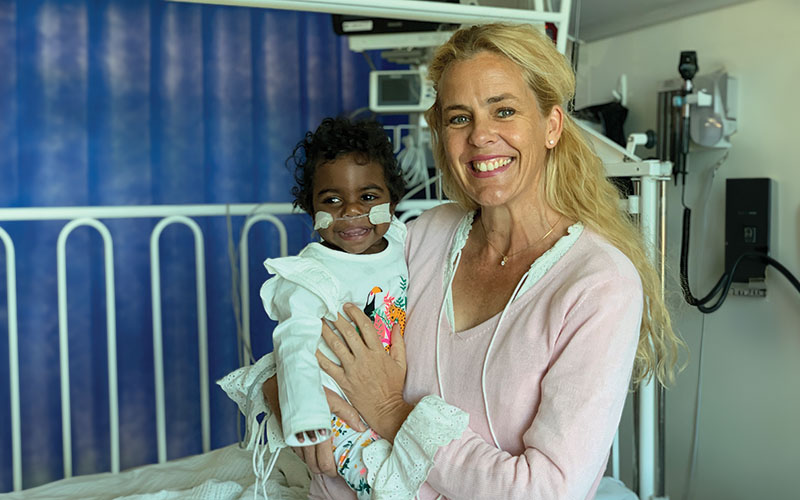
Culturally secure intervention to facilitate medical follow up for Aboriginal children, after being hospitalised with chest infections, have proven to improve long-term lung health outcomes.
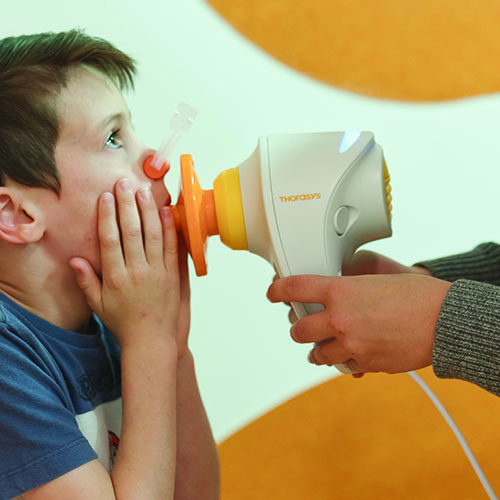
A new study is helping to identify treatment options to improve the lung function of premature babies, after it was determined survivors of preterm birth were at risk of declining lung health.
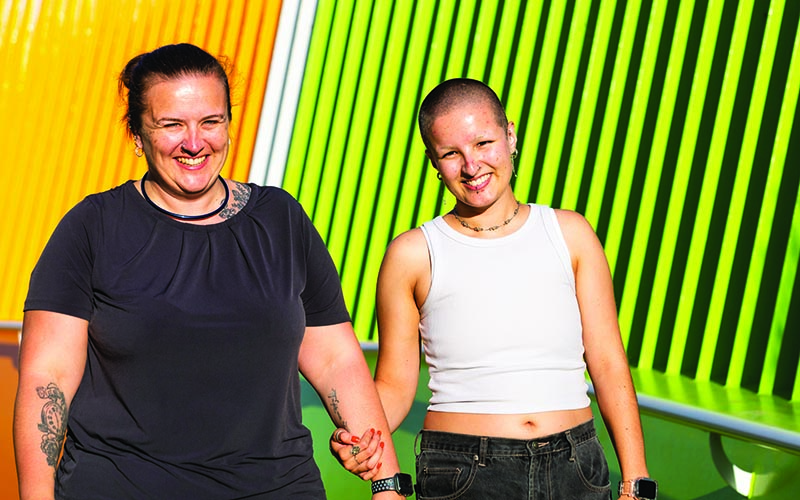
A new website for parents of trans children and young people across Australia is expected to improve family wellbeing and ultimately save lives after launching in May 2023.
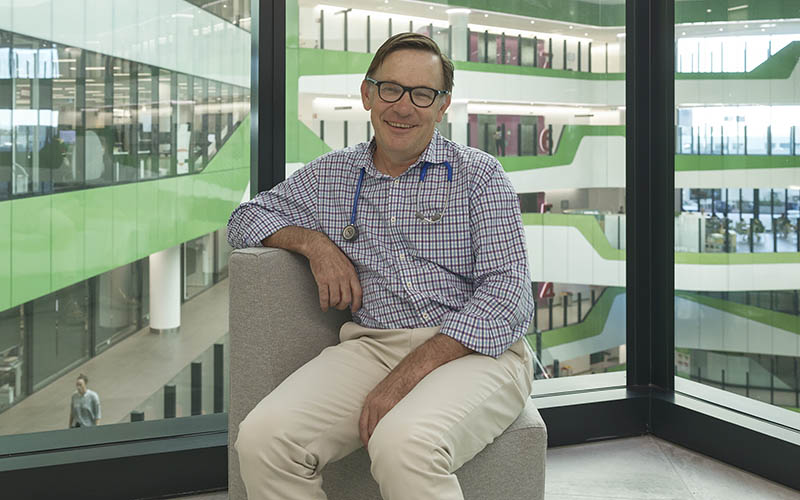
Pneumococcal – a bacterial infection that can cause pneumonia and meningitis – is responsible for 1000s of hospital admissions in Australia each year, many of them children.
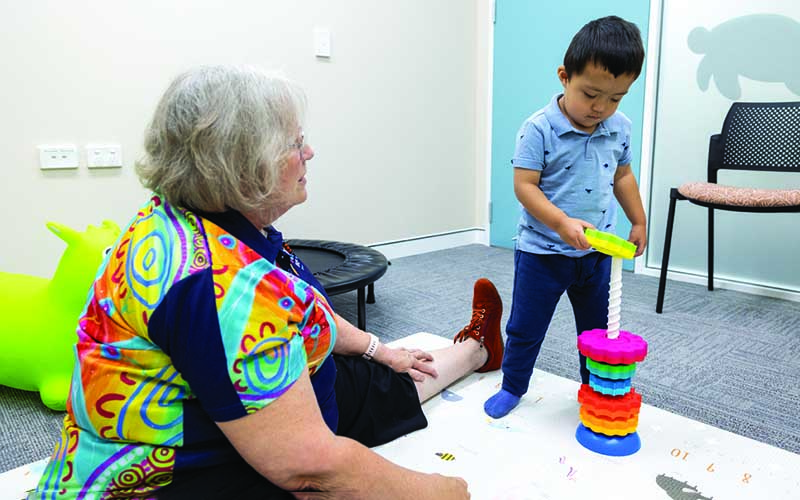
Discover how this family is benefitting from CliniKids' evidence-based therapies.
Rising proportions of antimicrobial resistance (AMR) have been observed in both Staphylococcus aureus and Enterococcus spp. isolates.
In pediatric cancer precision medicine clinical trials settings, parents proactively seeking treatment and answers to causation may request return of their child's raw data and/or biospecimen. To satisfy such requests, the ZERO Childhood Cancer Program required a guidance document.
Self-compassion has emerged as a promising treatment target to promote healthy parent–child relationships, though mostly in maternal samples. The mechanisms through which self-compassion may optimise the father-child relationships are not yet well-established.