
Search
Each year, approximately 1000 children in Australia and New Zealand, aged 0–14 years, are diagnosed with cancer. Despite paediatric cancer accounting for less than 1% of all cancer cases, the impact on their families and communities is profound and disproportionate.
The prevalence estimates of physical activity, sedentary behavior, and sleep (collectively known as movement behaviors) in 3- and 4-year-old children worldwide remains uncertain.
Cancer prevention and care efforts have been challenged by the COVID-19 pandemic and armed conflicts, resulting in a decline in the global Human Development Index (HDI), particularly in low- and middle-income countries. These challenges and subsequent shifts in health care priorities underscore the need to continuously monitor cancer outcome disparities and statistics globally to ensure delivery of equitable and optimal cancer prevention and care in uncertain times.
According to the Young Minds Matter study, mental health disorders such as anxiety and depression are experienced by approximately one in seven or 560,000 young people in Australia. These disorders can often have a significant impact on children’s learning and development and on family life.
Immunisation is the most effective way of protecting your child against a range of serious illnesses, including measles, hepatitis B and whooping cough. All vaccines used in Australia undergo stringent testing and ongoing monitoring.
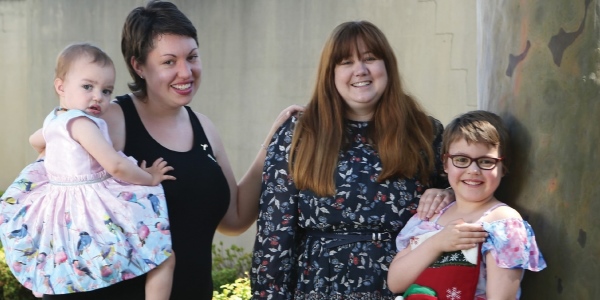
Emma White, a registered nurse, suspected for several months that something was wrong with her 7-year-old daughter Aroha, but couldn't get answers despite visiting numerous GPs.
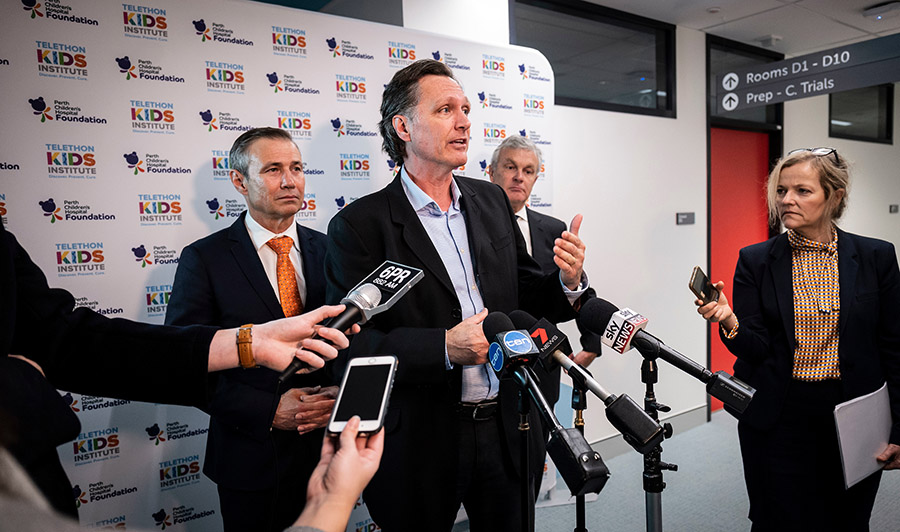
Thanks to a partnership with Perth Children’s Hospital Foundation, Perth’s The Kids Research Institute Australia will be at the forefront of a global push to decode the human immune system to transform how we prevent, diagnose and treat disease as the first international hub of the Human Vaccines Project.
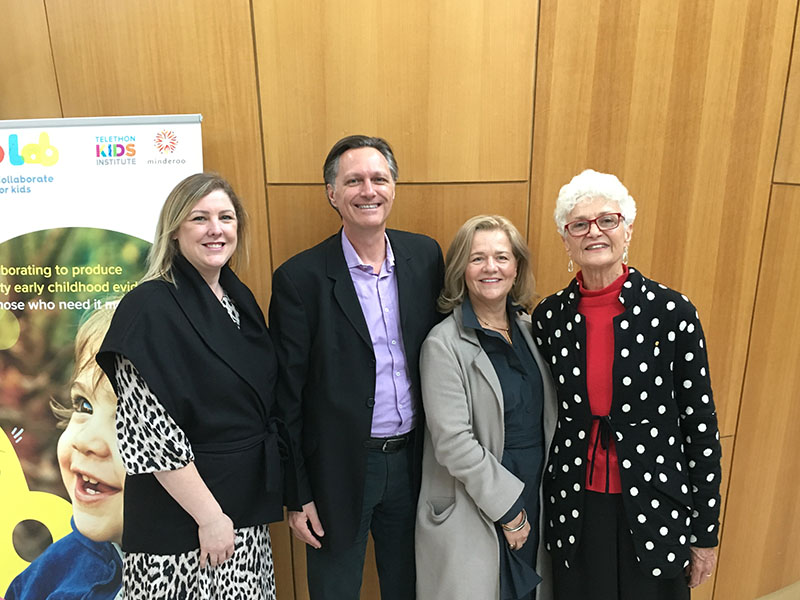
Data on Western Australian children’s health, learning, development and social characteristics will be mapped using geospatial technology so that community leaders and service providers can identify the priority issues for their children.
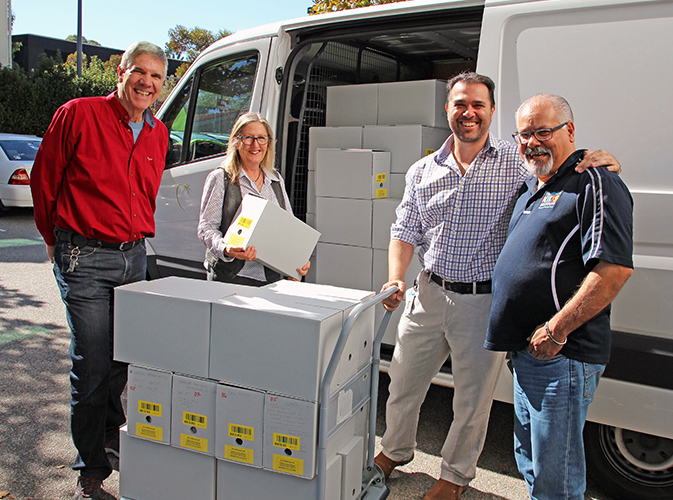
The landmark Western Australian Aboriginal Child Health Survey has been placed into archiving at the State Library of Western Australia to be preserved for future generations.
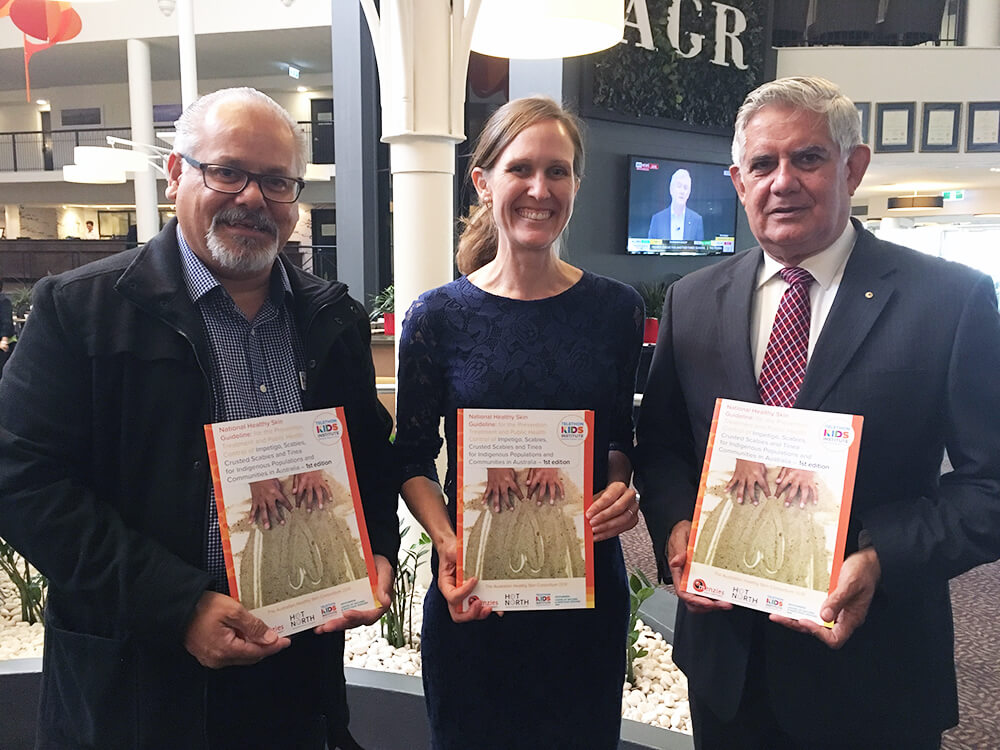
Researchers have developed the first National Healthy Skin Guideline to address record rates of skin infections in Australia’s Indigenous communities.