
Search
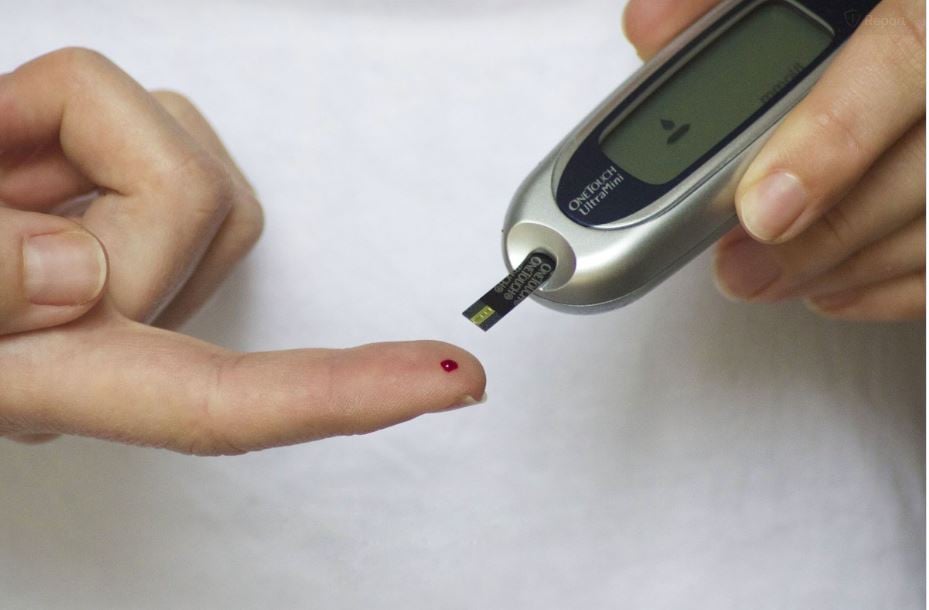
DACS – Diabetes Ambulatory Care Service – is a new model of care at Perth Children’s Hospital for children newly diagnosed with type 1 diabetes.

Type 1 diabetes patients require about 50 per cent more insulin with a high protein meal then with a low protein meal to maintain a stable blood glucose level, according to new research from the Children’s Diabetes Centre at The Kids Research Institute Australia.

Participants are needed for a new Children's Diabates Centre study looking at the patterns in glucose rise after meals.
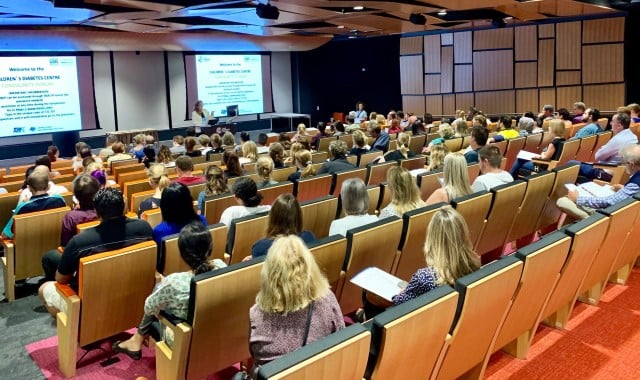
The Children’s Diabetes Centre was honoured to have leading international experts Laurel Messer and Professor Mike Riddell as guest speakers at its community forum and research symposium recently.
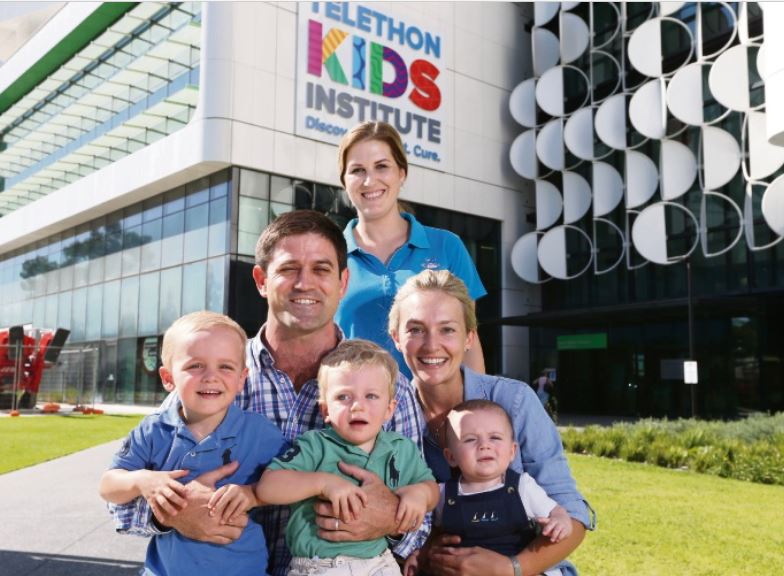
MOSMAN Park family-of-five is part of a study aiming to determine the factors that trigger, protect or develop type 1diabetes in young children.

Patients require on average about 50 per cent more insulin with a high protein meal than with a low protein meal. A study conducted by the Children's Diabetes Centre used an insulin clamp technique to determine insulin requirements to maintain euglycaemia across the different meals.

Leading international diabetes technology expert Laurel Messer visited Perth to share her experiences with closed loop systems at the Children’s Diabetes Centre’s Community Forum on March 28.
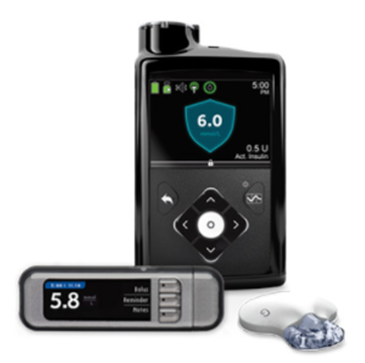
Pump update: New changes to health insurance premiums, pump information evening and more

It’s hard to believe that 20 years has passed since April Welsh, 5, was pictured with Professor Tim Jones in a story about type 1 diabetes research. Plenty has changed but one constant remains — Professor Jones still works for WA’s only paediatric diabetes service which celebrates its 50th year.

If you have an urgent matter regarding the medical care of your child with diabetes you are encouraged to call the on-call paging number which has a new number. The new number is 08 6456 5993.