
Search

Are you a parent of a child with Type 1 Diabetes who could benefit from having a mentor.... someone who knows what you are going through?

Teenage years can be a challenging time for families, a period made all the more difficult if a child has Type 1 Diabetes.

If your child/adolescent has been approved to use CGM but decides they do not want to use it, it is important to complete a NDSS change/termination form, which needs to be returned to your clinic team.
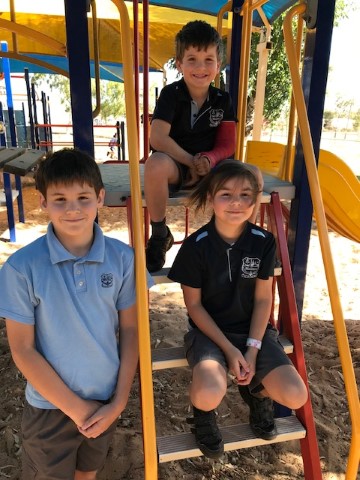
Meet Nathan, Hayley and Aiden. They all live with Type 1 Diabetes (T1D) and attend the same primary school.

With a little over a week before outpatient clinics move from Princess Margaret Hospital (PMH) to Perth Children’s Hospital (PCH), now is the time to familiarise yourself with all the information you need to know before you make your first visit.

Do you feel your child is well supported by their school when it comes to managing diabetes? If so, our researchers want to hear from you.
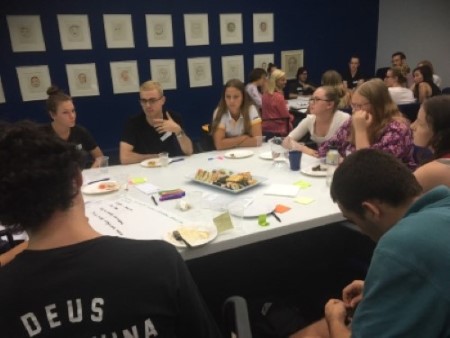
The Children’s Diabetes Centre recently held summits for young people with Type 1 Diabetes to get their input into the development of new exercise guidelines.
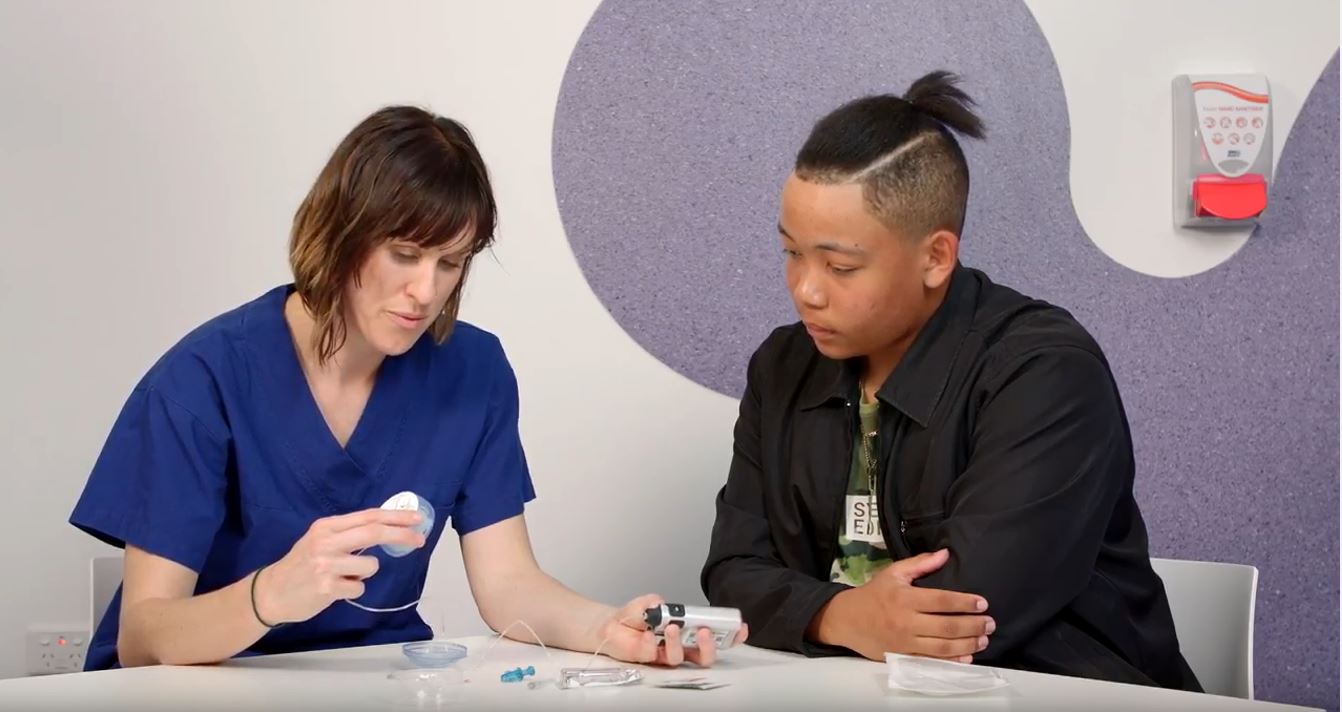
A new series of educational films has been released for newly diagnosed Type 1 Diabetes patients and their families.
Are you aged 18-40 years and living with T1D? If so, researchers planning a trial comparing different ways of providing diabetes education need feedback.

The Diabetes Service at Perth Children’s Hospital cares for approximately 1000 children with diabetes. Read these tips to ensure you have a good visit.