
Search
National Healthy Skin Guideline: for the Prevention, Treatment and Public Health Control of Impetigo, Scabies, Crusted Scabies and Tinea for Indigenous Populations and Communities in Australia
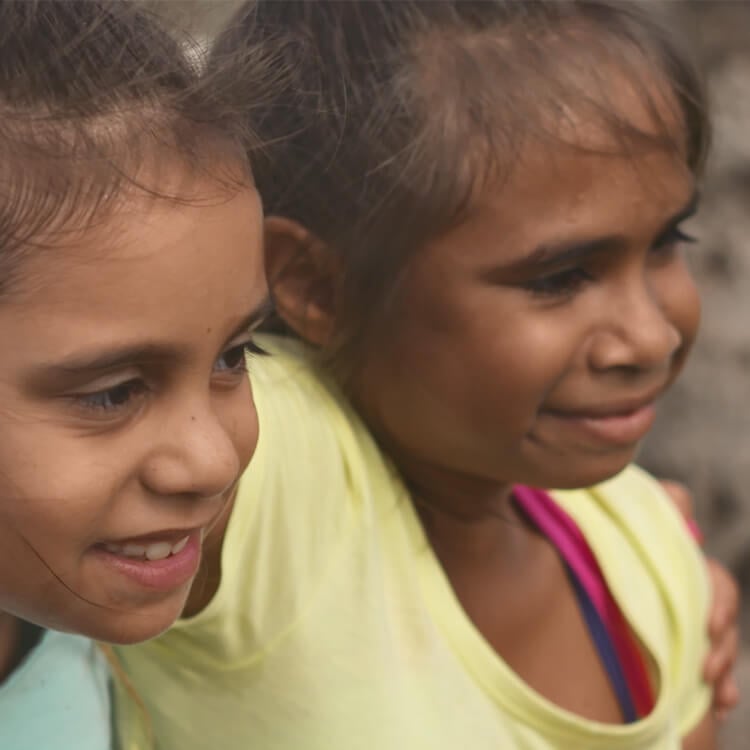
Researchers have developed the first National Healthy Skin Guideline to address record rates of skin infections in Australia’s Indigenous communities.
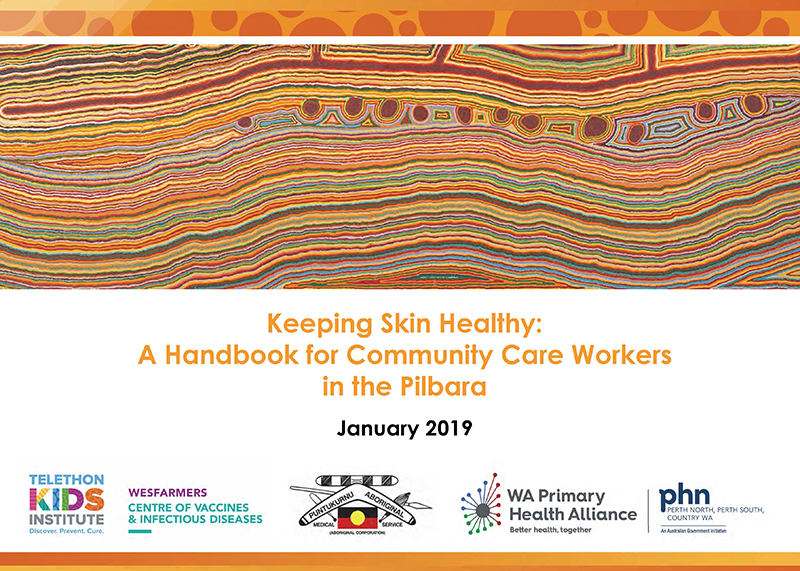
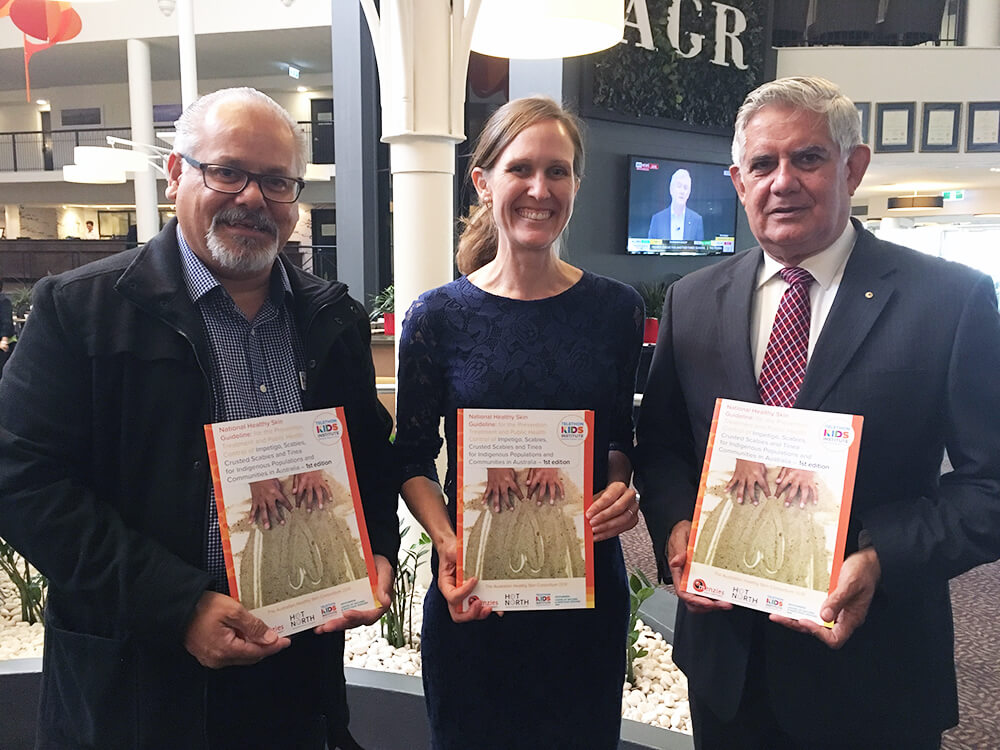
A year after launching the first National Healthy Skin Guideline to address record rates of skin infections in Australia’s Indigenous communities, The Kids Research Institute Australia has released a new resource as part of the guideline.

The first ever National Healthy Skin Guideline has become the gold standard for the treatment, prevention and public health control of skin infections in Indigenous populations in Australia and provides a positive framework for healthy skin.
Influenza (commonly known as the flu) is caused by a highly contagious virus spread mainly through coughing and sneezing. An annual flu vaccination is the most effective way to prevent flu outbreaks.
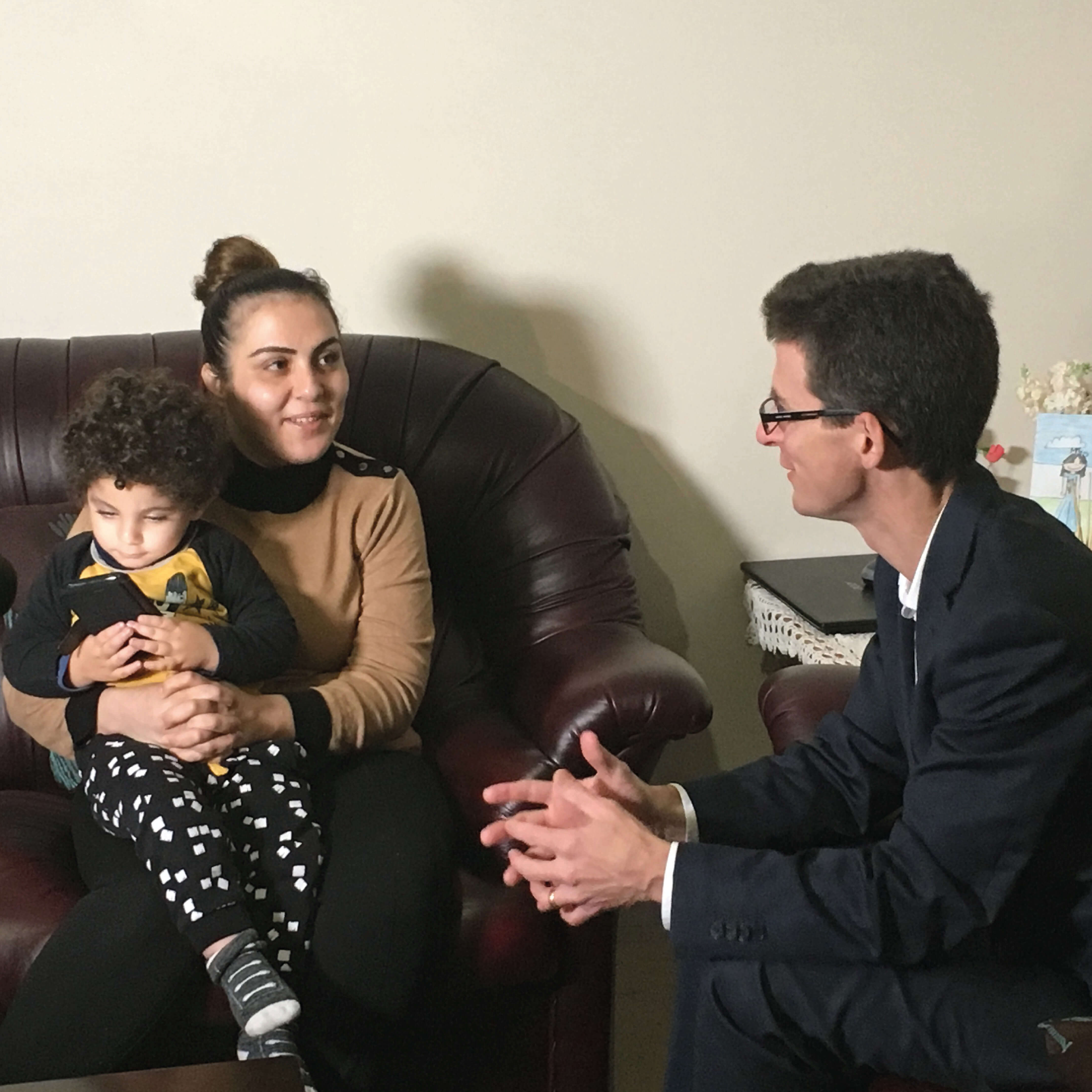
Perth parents are underestimating the serious consequences of the flu, with only 19 per cent of children under five years of age currently immunized against the virus ahead of the peak winter flu season.

News headlines about the large number of life-threatening cases of the flu in Western Australia this winter have been hard to miss - find out what you can do to protect your family.
Immunisation is the most effective way of protecting your child against a range of serious illnesses, including measles, hepatitis B and whooping cough. All vaccines used in Australia undergo stringent testing and ongoing monitoring.

Whooping cough (pertussis) is a highly contagious respiratory infection which causes a severe cough and can be particularly dangerous to babies under a year old. Vaccination is the best way to reduce the risk of whooping cough.
Rheumatic heart disease (RHD) is the most important cause of acquired cardiovascular disease in children and young adults. Virtually non-existent in most of Australia, it still predominantly affects Aboriginal communities.