
Search

Every decision a child with type 1 diabetes makes can impact on their blood glucose levels.
A lifelong auto-immune condition that can affect anyone, but is most commonly diagnosed in childhood.

The teenage years can be a challenging time for families, a period made even more difficult if a child has type 1 diabetes.

Recent diabetes technology is helping 12-year-old Drina keep on top of her condition and be independent, while significantly easing the disease burden on her family.

With Perth and WA’s south-west in the grip of several days of extreme heat, The Kids Research Institute Australia experts share their top tips on keeping your children safe in the hot weather.

In addition to our busy lives, there’s a lot going on around us locally and across the world.
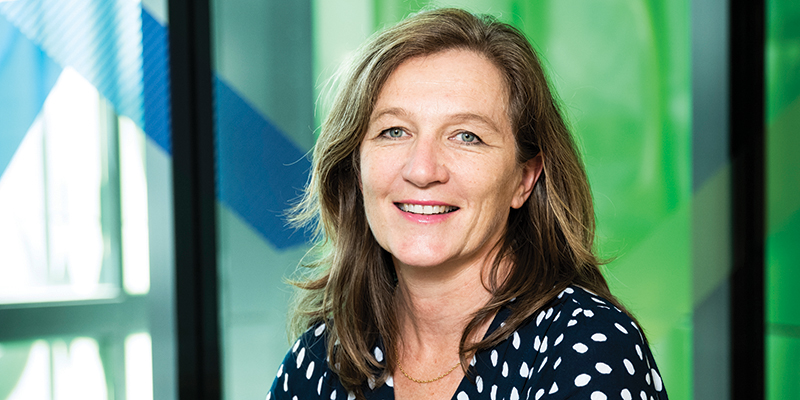
Researchers at the Children’s Diabetes Centre at The Kids Research Institute Australia have begun researching type 2 diabetes to tackle the rising incidence of the disease among young people in Australia.
On this Research Impact page, we list stories helping to show our exciting in-progress research currently "in the pipeline" towards translation. This is research which shows a real spark of potential to make a significant difference to children and families worldwide.
ORIGINS is the largest study of its kind in Australia, following 10,000 children, from their time in the womb, over a decade to improve child and adult health.
Improving maternal gut health in pregnancy and lactation is a potential strategy to improve immune and metabolic health in offspring and curtail the rising rates of inflammatory diseases linked to alterations in gut microbiota. Here, we investigate the effects of a maternal prebiotic supplement (galacto-oligosaccharides and fructo-oligosaccharides), ingested daily from <21 weeks' gestation to six months' post-partum, in a double-blinded, randomised placebo-controlled trial.