
Search
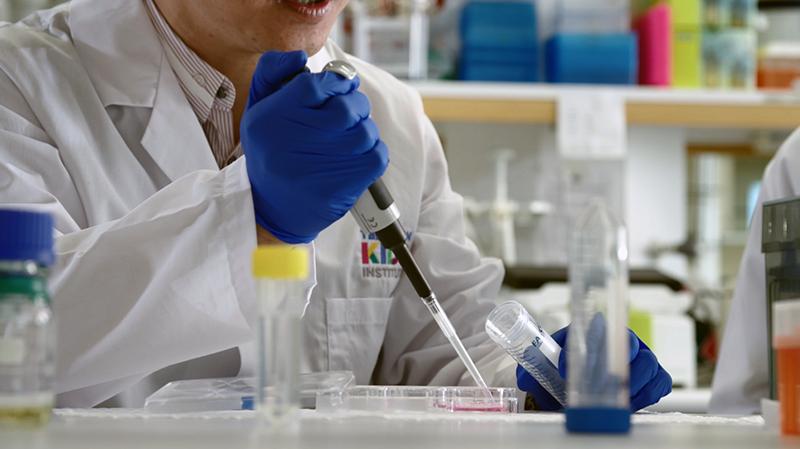
The Kids researchers will use nearly $8.5 million awarded by the National Health and Medical Research Council (NHMRC) to tackle health issues including respiratory disease, brain cancer, vaccination and Aboriginal health.
The Kids Research Institute Australia is proud to have been selected in a pilot program to improve the promotion and retention of women and gender minorities in science.
Ingestion of prebiotics during pregnancy and lactation may have immunomodulatory benefits for the developing fetal and infant immune system and provide a potential dietary strategy to reduce the risk of allergic diseases. We sought to determine whether maternal supplementation with dietary prebiotics reduces the risk of allergic outcomes in infants with hereditary risk.
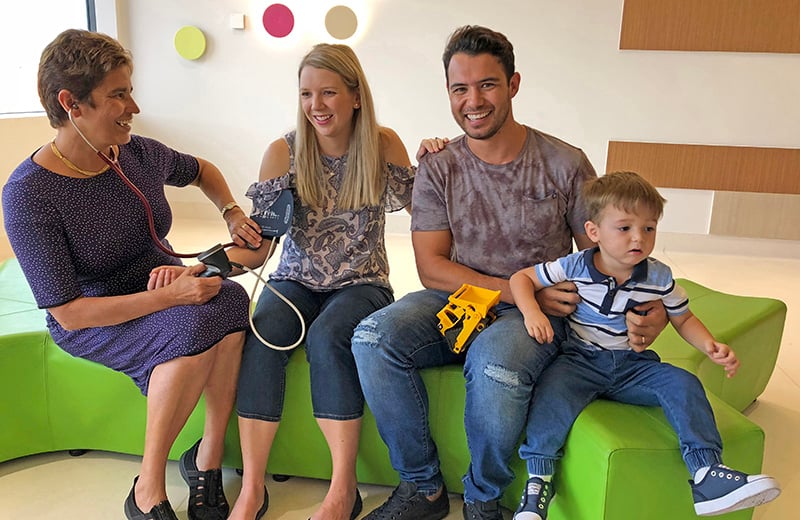
Professor Desiree Silva with the 1000th family - Jess, Michael and Eli The multimillion-dollar ORIGINS Project, an extensive community-based
Early infancy is a critical period for immune development. In addition to being the primary food source during early infancy, human milk also provides multiple bioactive components that shape the infant gut microbiome and immune system and provides a constant source of exposure to maternal microbiota. Given the potential interplay between allergic diseases and the human microbiome, this study aimed to characterise the milk microbiome of allergic mothers.
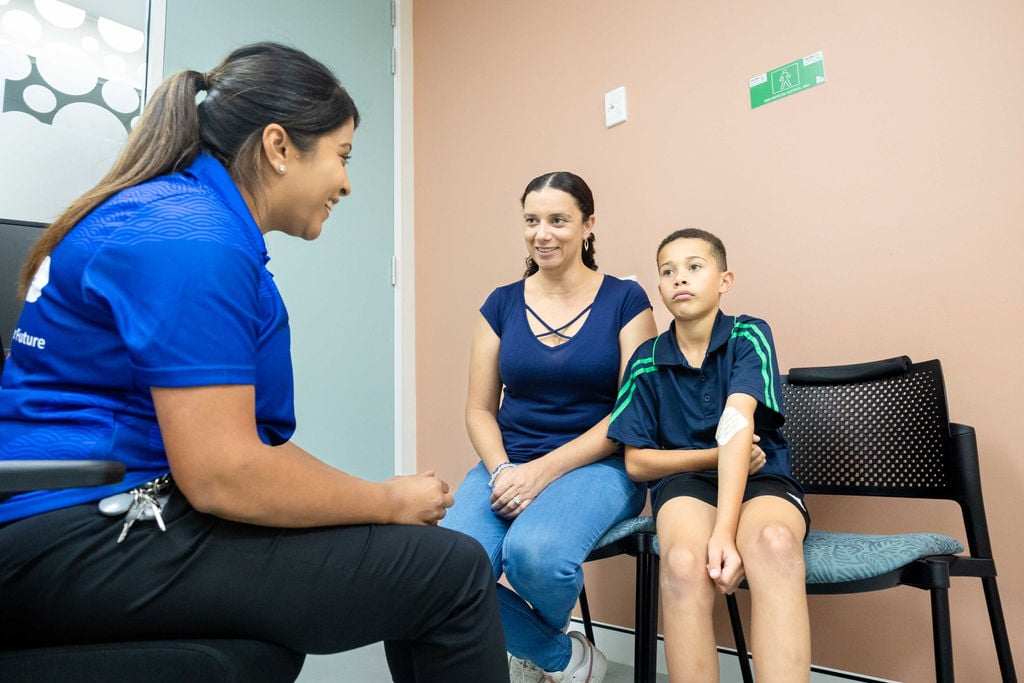
ORIGINS has several sub-projects exploring allergy development within the cohort, with a focus on respiratory conditions such as asthma and nutritional strategies for allergy prevention.
The term 'ultra-processed food' emerged in the 1980s, mostly used in reference to highly-processed convenience foods and snacks, often energy-dense, poor in nutrients, and inclusive of various synthetic additives such as emulsifiers, colors, artificial sweeteners, and/or flavor enhancers.
This study aimed to assess the effect of n-3 fatty acid supplementation in pregnancy on offspring SPM at birth and 12 years of age (12 years)
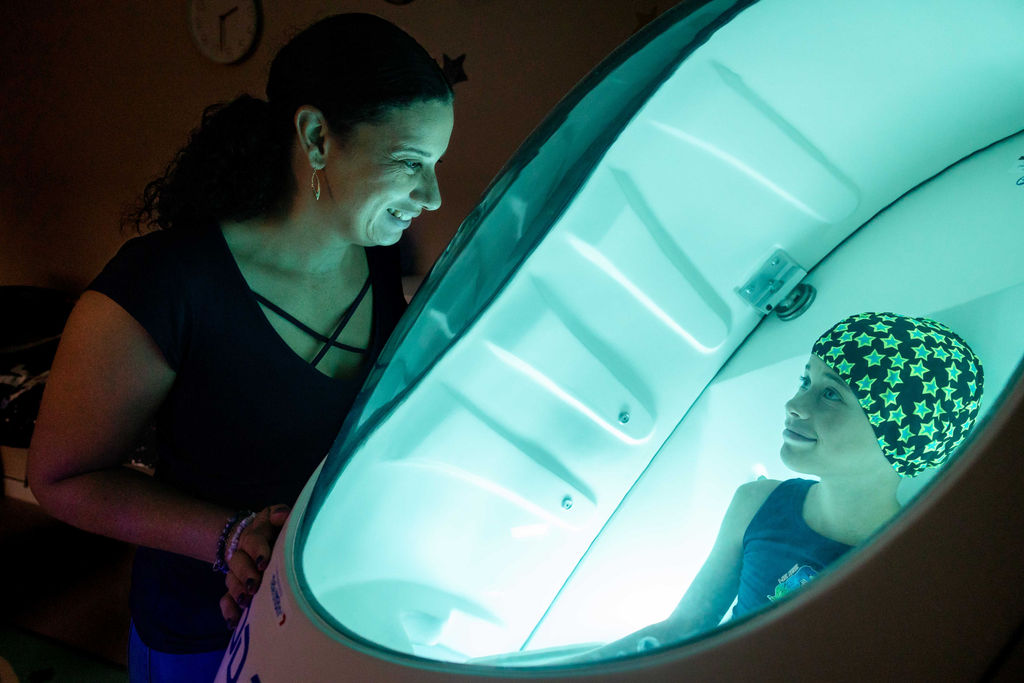
As well as ORIGINS long-term core research, there are a number of clinical trials, early interventions and shorter-term research studies that sit within ORIGINS. Known as sub-projects, these studies look at multiple aspects of child and family health and development.
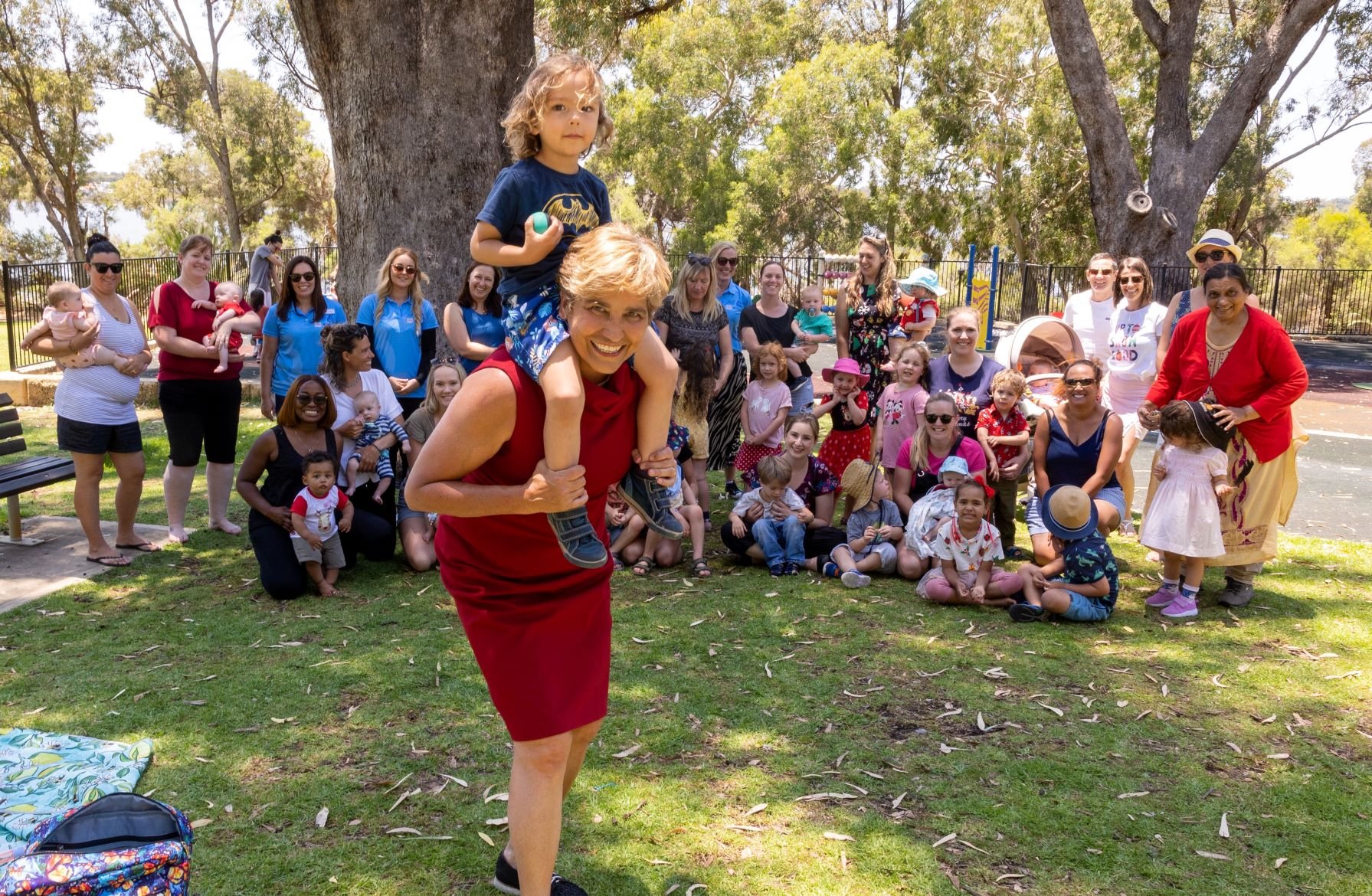
ORIGINS has officially reached the study's five-year goal of recruiting 4,000 active participants to the project and has closed recruitment of new families into the active cohort.