
Search
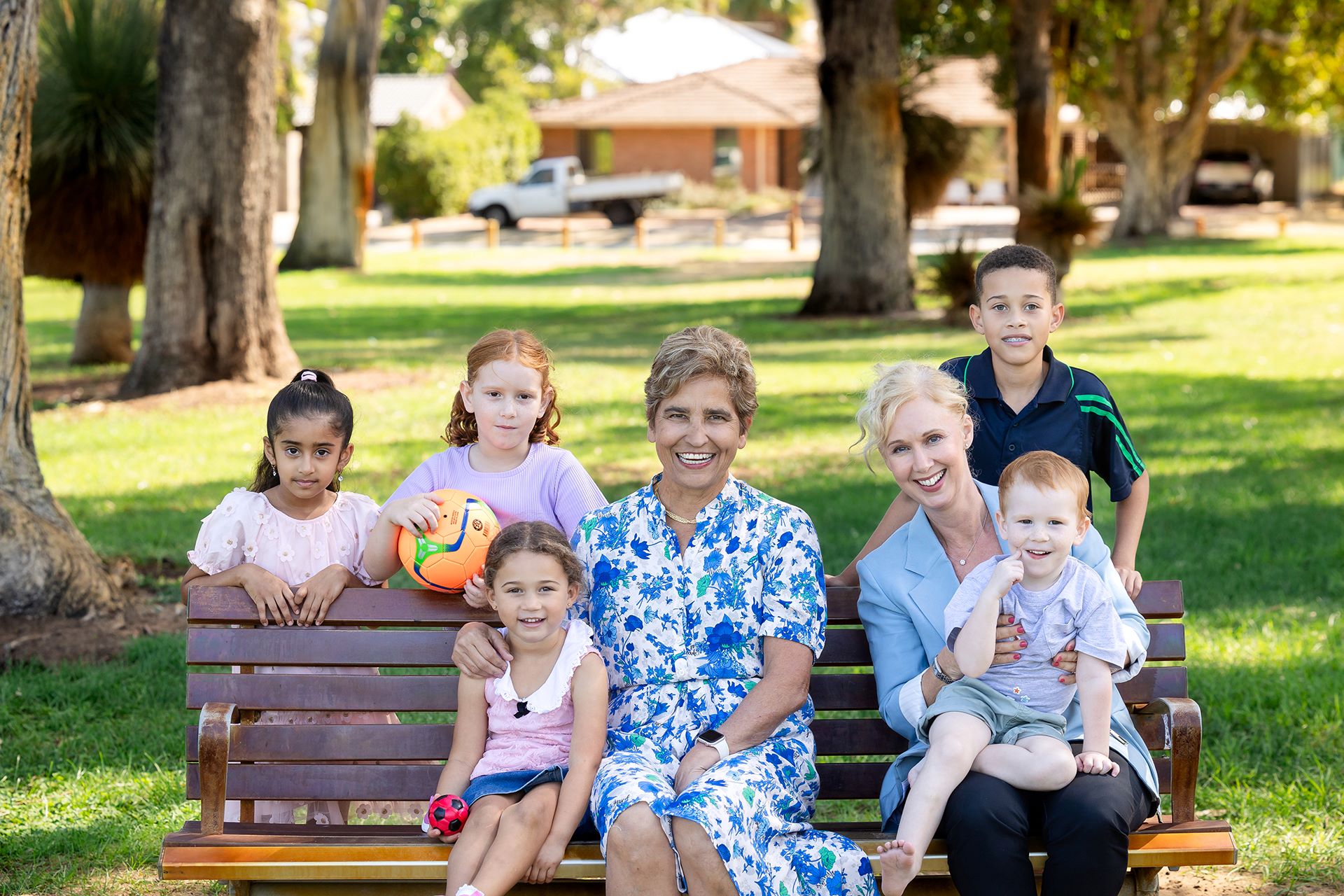
ORIGINS is Australia's largest longitudinal cohort study of its kind. Following 10,000 WA children from their time in the womb into early childhood, ORIGINS researchers are working to better understand when and why non-communicable diseases develop, and provide solutions for early intervention to ensure every child and family flourishes throughout their lifetime.
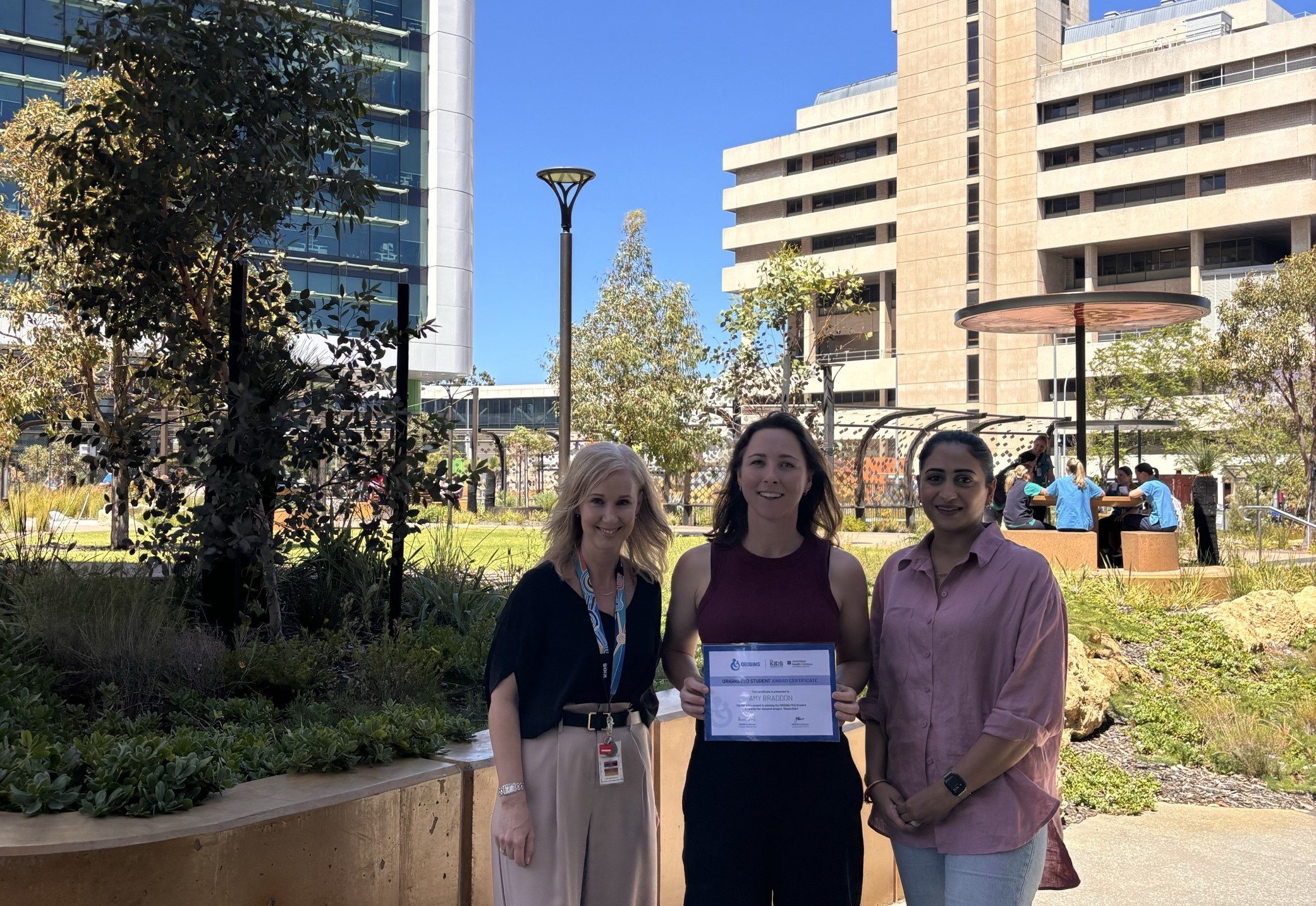
Miss Braddon will be awarded with $15,000 to go towards her research project, DreamStart
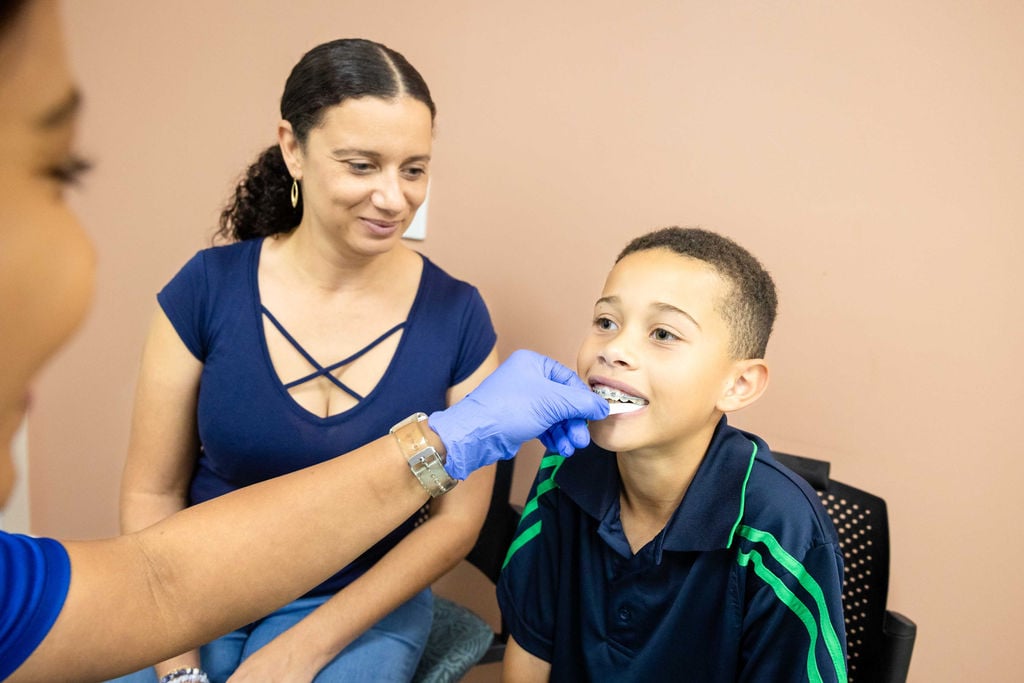
ORIGINS is an interventional cohort study, meaning participants receive timely feedback and an action plan to address any potential abnormalities.
ORIGINS is an interventional cohort study, meaning participants receive timely feedback and an action plan to address any potential abnormalities.

ORIGINS sub-projects investigating the impact of the physical environment and lifestyle on health, development and chronic conditions.
Publications, papers and findings coming out of ORIGINS and its sub-projects
IgE-mediated sensitisation to egg is common in infants. In some cases, the processes leading to egg sensitisation are established in early life, even before introduction to solid foods. The underlying mechanisms remain poorly understood.
Immunomodulatory proteins in human milk (HM) can shape infant immune development. However, strategies to modulate their levels are currently unknown. This study investigated whether maternal prebiotic supplementation alters the levels of immunomodulatory proteins in HM.
Urine is an attractive biospecimen for nutritional status and population health surveys. It is an excellent non-invasive alternative to blood for appropriate biomarkers in young children and is suitable for home-based collection, enabling representative collections across a population. However, the bulk of literature in this population is restricted to collection in primary care settings.

Four The Kids Research Institute Australia researchers have received prestigious fellowships and four significant cohort studies led or co-led by The Kids have received key grants under two new funding programs supported by the State Government’s Future Health Research and Innovation (FHRI) Fund.