
Search
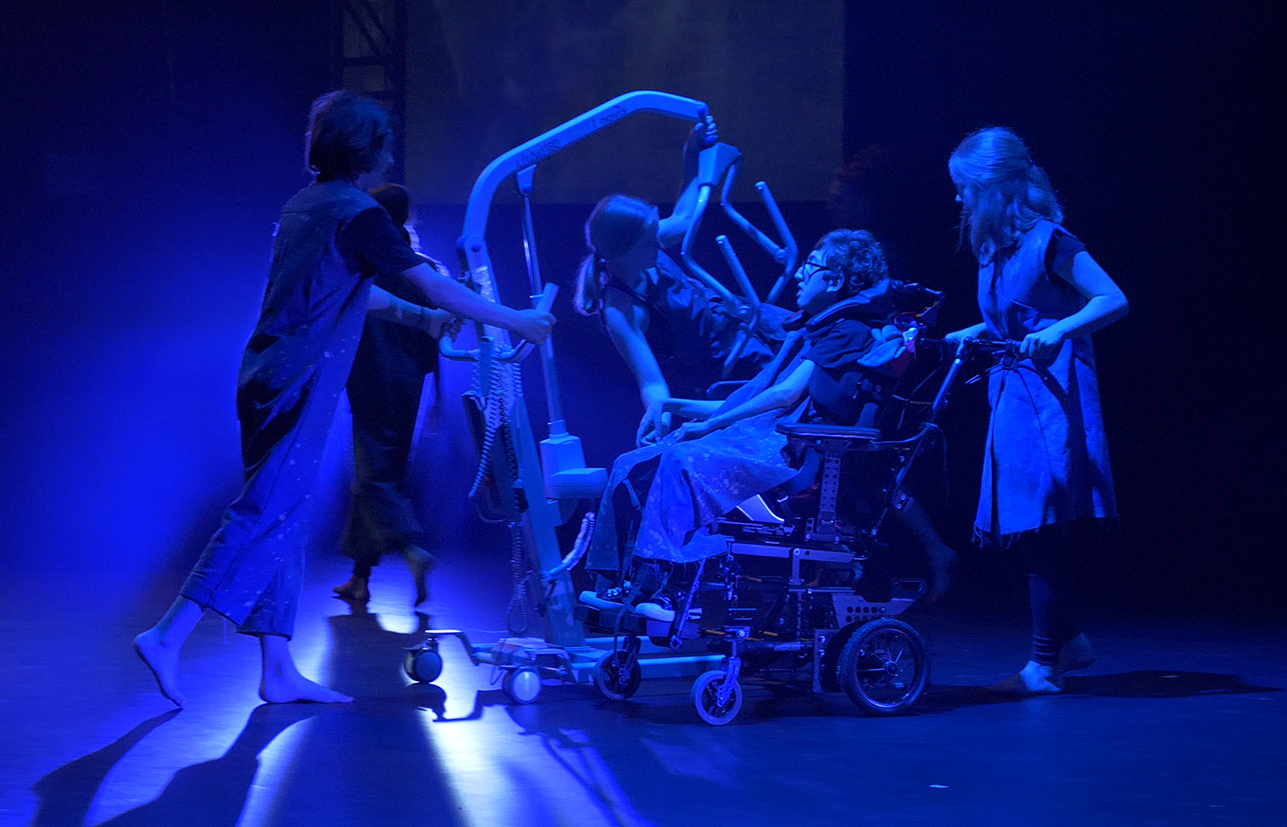
A quality of life tool developed by disability researcher Jenny Downs is helping to reveal the difference specific interventions can make to the lives of children and families living with disability.

Video technology is helping researchers learn more about the earliest features of autism, and in turn is helping families gain access to better interventions.
Not all children or teenagers identify with the gender they were assigned at birth. As a result, some may choose to change their name, their clothes or their body. With considerably higher rates of depression, anxiety, self-harm and attempted suicide, the need for specialist mental health services has been recognised.

Ask our experts a question about the COVID-19 pandemic.
Glue ear is when a child's middle ear fills with sticky fluid behind the ear drum. A common condition, glue ear usually goes undetected, as it's not an obvious condition from the outside.
The current narrative surrounding children’s health and wellbeing often focuses on adversity and dysregulation with a lack of positive messaging. However, promoting protective and buffering factors may be as important as reducing adverse exposures. While the concept of flourishing is commonly applied in the context of adults, defining what flourishing means for children in current academic literature remains unclear.
PICOBOO is a randomised, adaptive trial evaluating the immunogenicity, reactogenicity, and safety of COVID-19 booster strategies. Here, we present data for second boosters among individuals aged 18-<50 and 50-<70 years old primed with BNT162b2 until Day (D) 84.
People with intellectual disability are at risk of poor physical and mental health. Risks to health are compounded by poor health literacy, that is, reduced capacity to access health services, respond quickly to changes in health status and navigate care pathways. Building health literacy skills is a strength-based way to increase health and optimise the use of healthcare services. The internet is a primary source of health information for many people, including people with intellectual disability and their families.
This consensus statement recommends eight high-level trackable policy actions most likely to significantly improve health and wellbeing for children and young people by 2030. These policy actions include an overarching policy action and span seven interconnected domains that need to be adequately resourced for every young person to thrive: Material basics; Valued, loved and safe; Positive sense of identity and culture; Learning and employment pathways; Healthy; Participating; and Environments and sustainable futures.
Acute lower respiratory infections (ALRIs) are a major contributor to the global infectious disease burden and a common cause of hospitalisation for children under 2 years. We compared clinical severity in children hospitalised with respiratory syncytial virus (RSV), parainfluenza virus (PIV), human metapneumovirus (hMPV) and influenza virus (IFV).