
Search
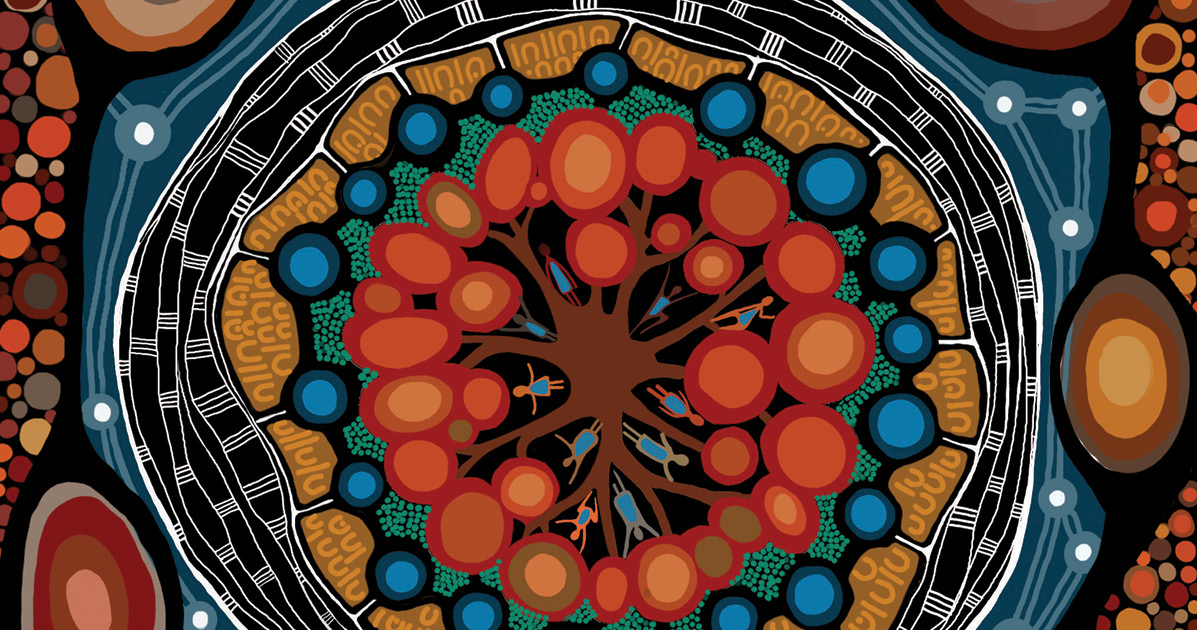
Life imitates art in a new project that seeks to entrench cultural safety for young Aboriginal and Torres Strait Islander people into WA’s mental health system.

The MINERvA Network will allow more accurate and precise determination of the contributions of familial and environmental factors to the etiology of autism.
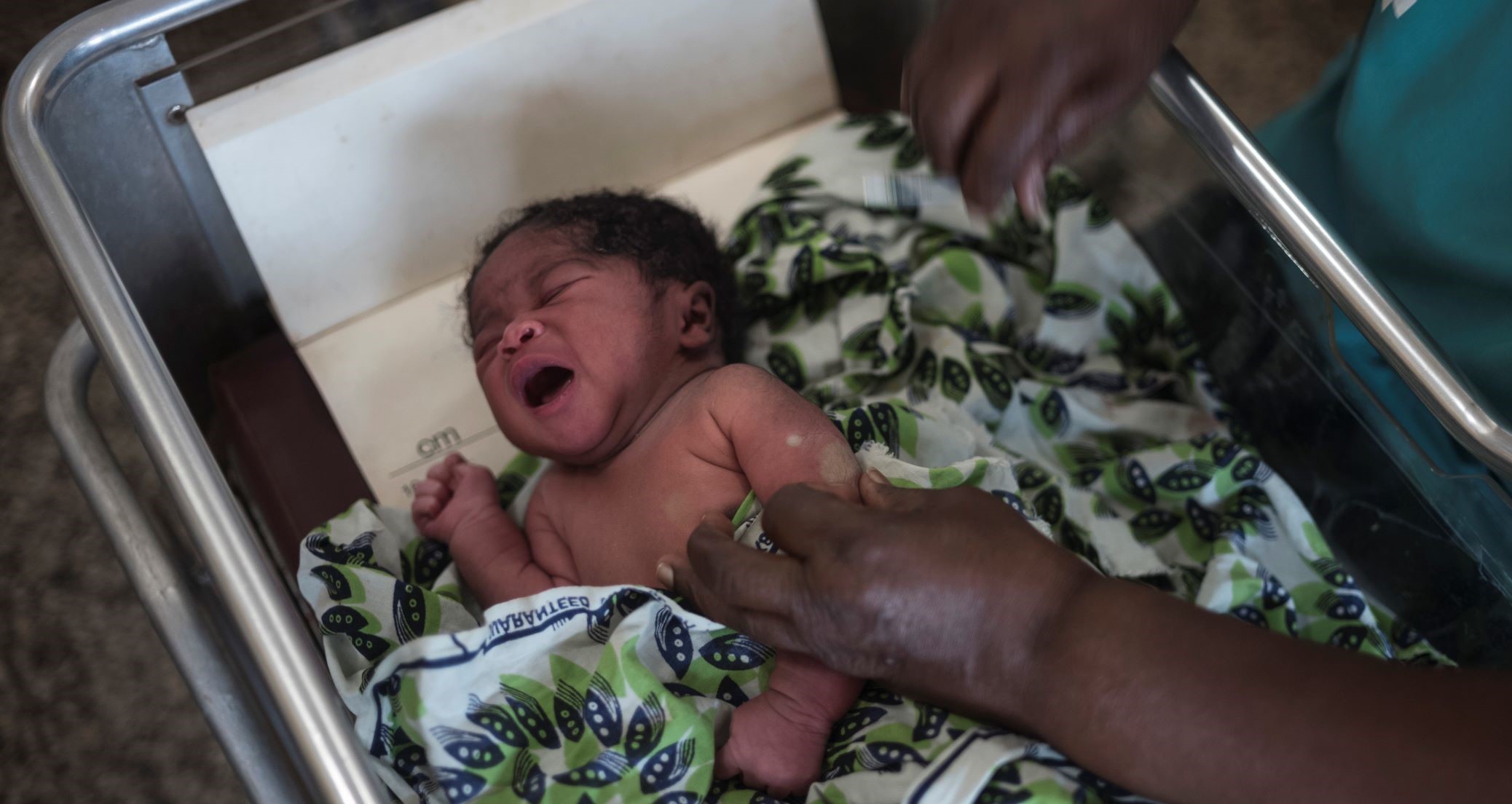
The veteran tuberculosis vaccine BCG has puzzled scientists for decades. Now, The Kids researchers have not only unlocked part of the secret to its success in saving the lives of newborns, but they’re at the forefront of global efforts to test its ability to fight COVID-19.
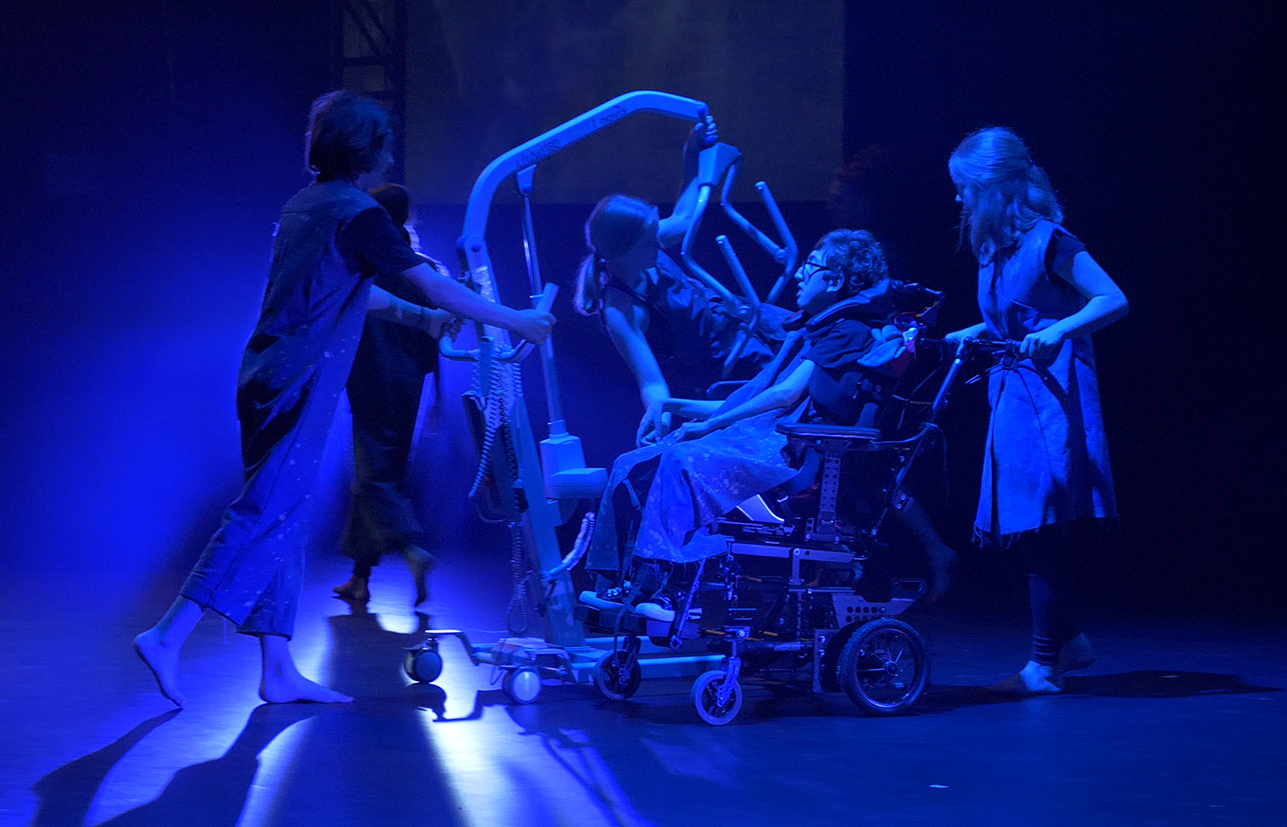
A quality of life tool developed by disability researcher Jenny Downs is helping to reveal the difference specific interventions can make to the lives of children and families living with disability.
A non-progressive motor disability due to damage of the developing brain, this is the most common physical disability in childhood. Affecting about one in 500 babies, it is frequently accompanied by other neurological impairments, such as intellectual or sensory.
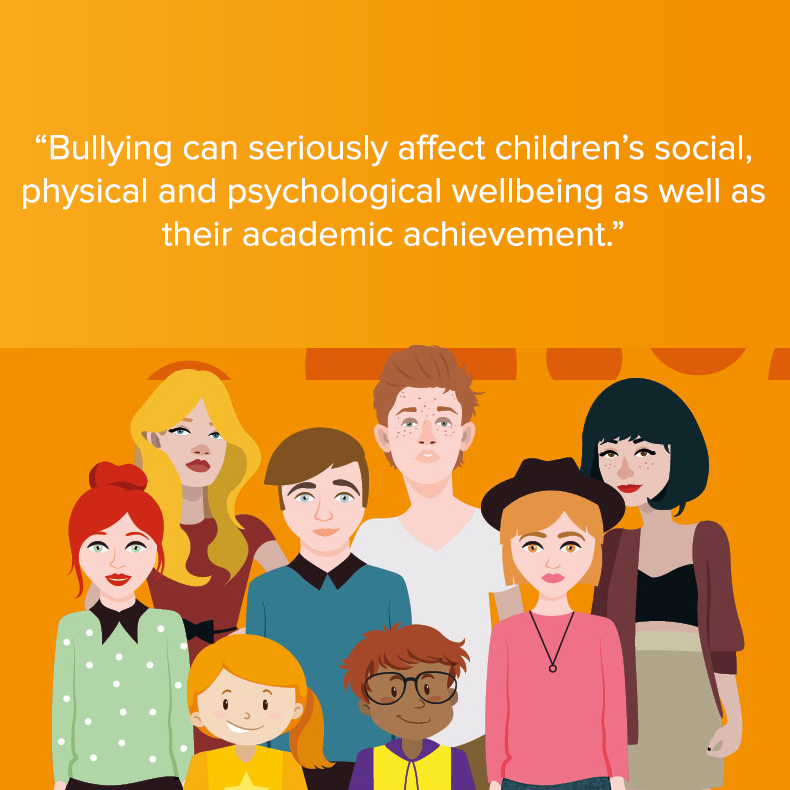
Infographics to easily learn more about bullying and what actions to take should bullying be an issue in your school or community.
To identify the barriers and facilitators for timely detection and optimal management of otitis media in Aboriginal children in a primary care setting from the perspective of Health Care Providers
Acute lymphoblastic leukaemia (ALL) is the most common paediatric malignancy and remains one of the most common causes of cancer-related death in children and adolescents. It is characterised by the proliferation of immature lymphoid cells capable of infiltrating bone marrow, blood and extramedullary sites. Five-year overall survival rates exceed 90% with current multidrug chemotherapeutic regimens. This manuscript reviews the abdominal imaging features of leukaemic infiltration in children with ALL at the time of initial diagnosis and following relapse.
Despite potentially harmful consequences, people routinely encounter alcohol adverts designed to increase consumption of alcohol in preference to safer alternatives. However, individuals differ in the degree to which such adverts elicit preferential alcohol consumption. This study builds upon and extends prior research by testing hypotheses concerning the impact of biased processing during advert viewing on subsequent alcohol craving and consumption.
Dog ownership has been suggested to be positively associated with children's physical, social, and emotional development. This study investigated the effect of a mobile health dog-facilitated physical activity intervention on young children's social-emotional development and attachment to the family dog.